

Field notes, research updates, and stories from the footprint identification frontier.
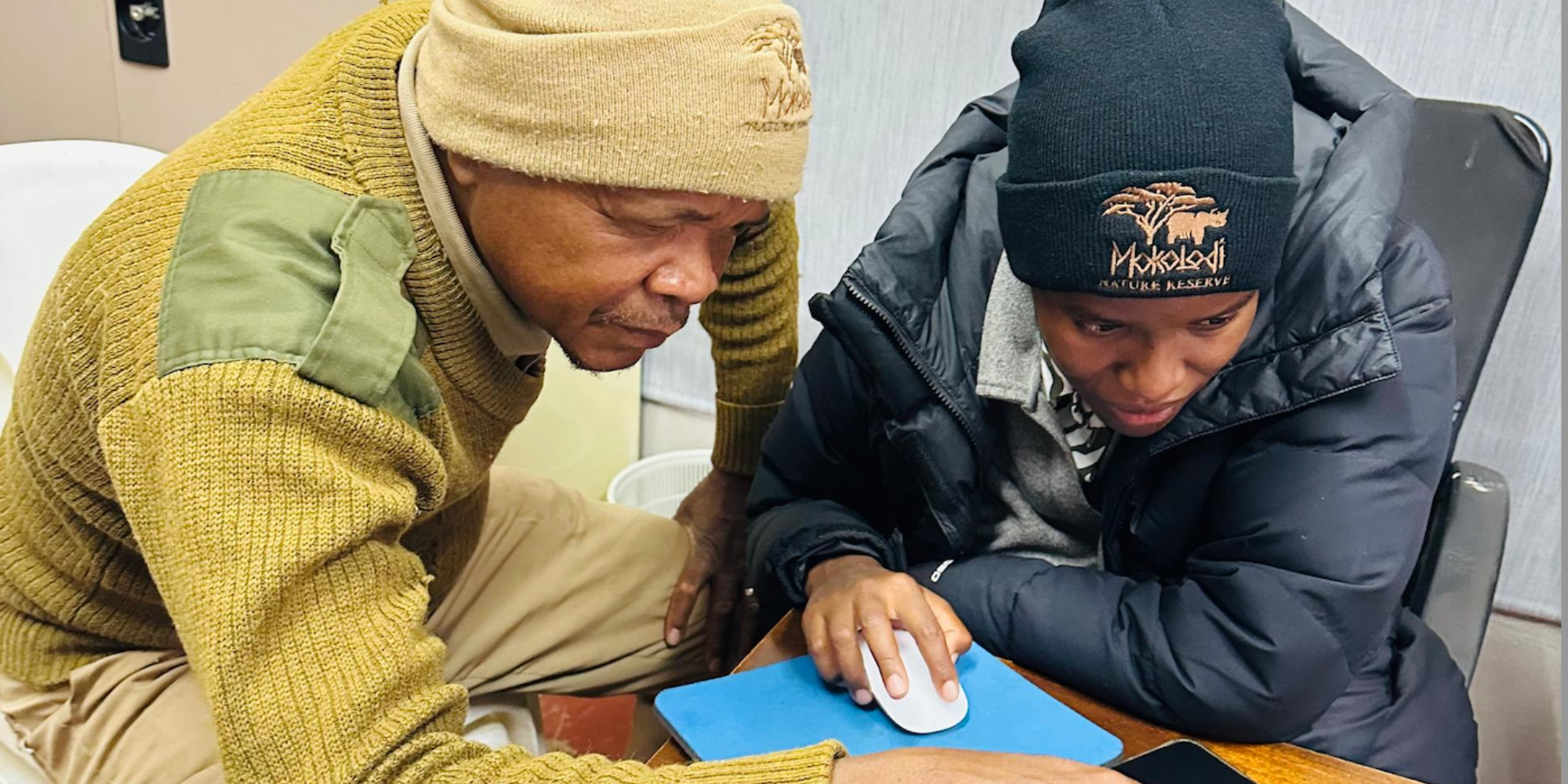
With our colleagues in Botswana we've shown that expert trackers can improve our confidence in machine learning models. This is important not only for improving technology for conservation, it demonstrates the need to empower local communities in local conservation decision-making.

For the 4th interview in our series featuring some of our awesome WildTrack team members, I’m catching up with Nathan Gudritz, our senior front-end engineer and inspirational force behind the final...

Imagine a world where the dire wolf, made famous in Game of Thrones, once again prowls the wilds—a creature lost to the last ice age, now the focus of a bold scientific resurrection. That’s the...
Let’s celebrate National Volunteer Week here in the USA!
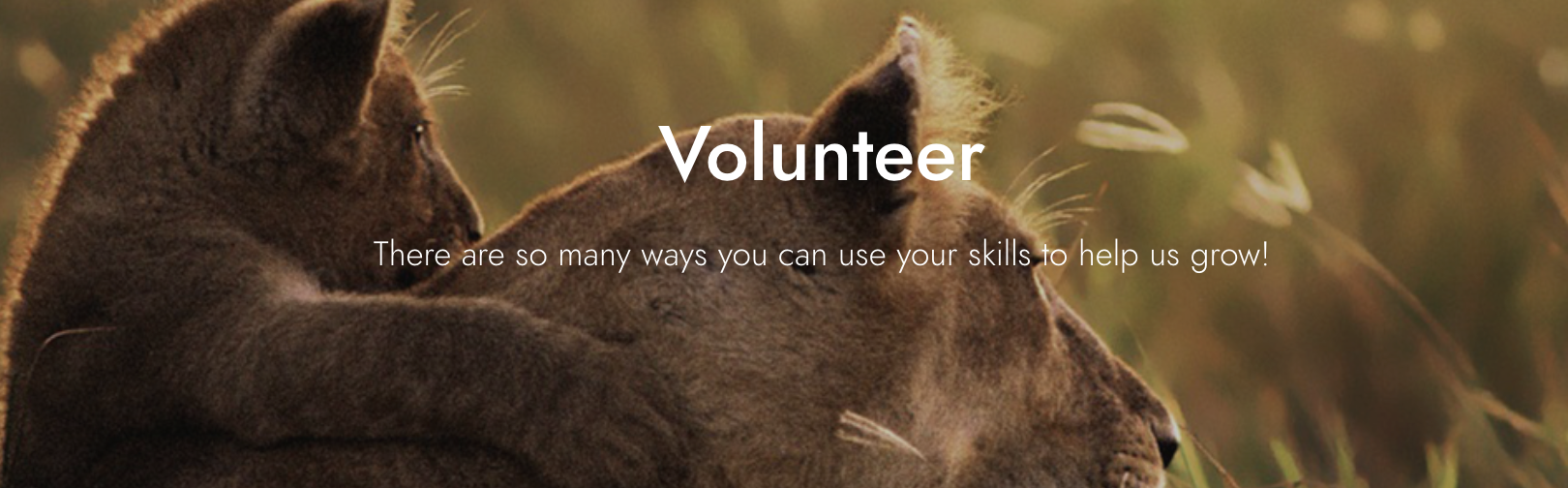
For the 3rd interview in our series highlighting our amazing WildTrack team members, we’re excited to interview Kari Dorth, WildTrack’s awesome Operations Manager. Kari wears many hats across the...
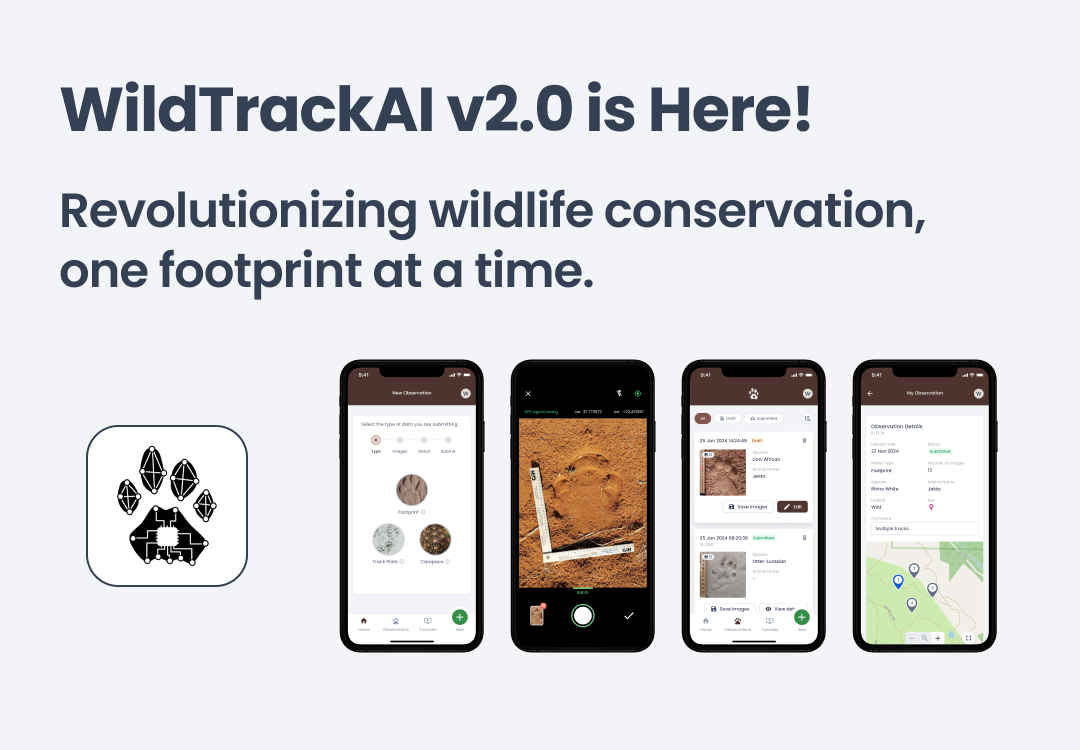
Built to make wildlife data collection smarter, faster, and more reliable.
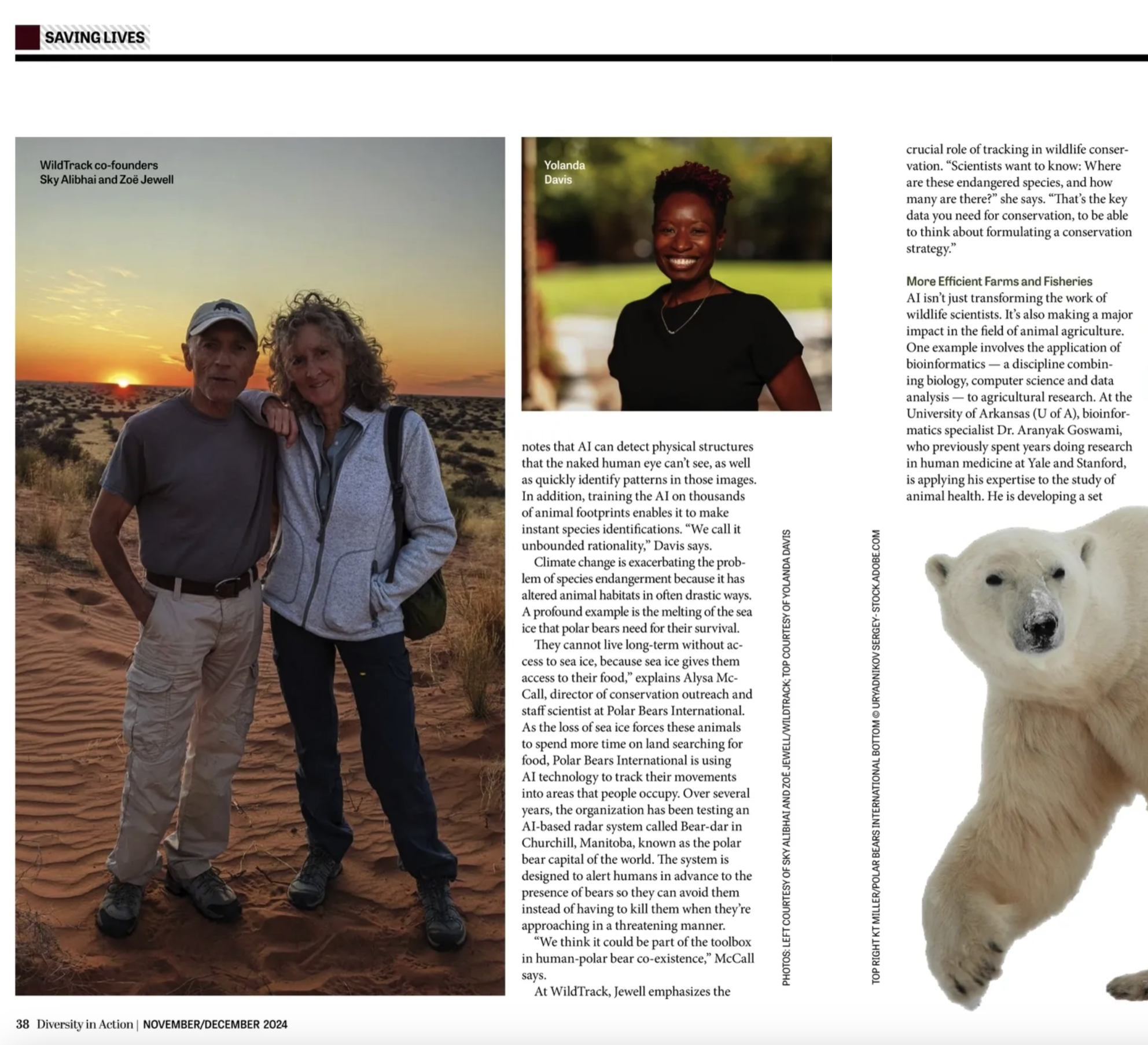
WildTrack technology was inspired by the traditional ecological knowledge of indigenous trackers in Africa. From that point, we realized the power of a diverse team in designing and implementing...
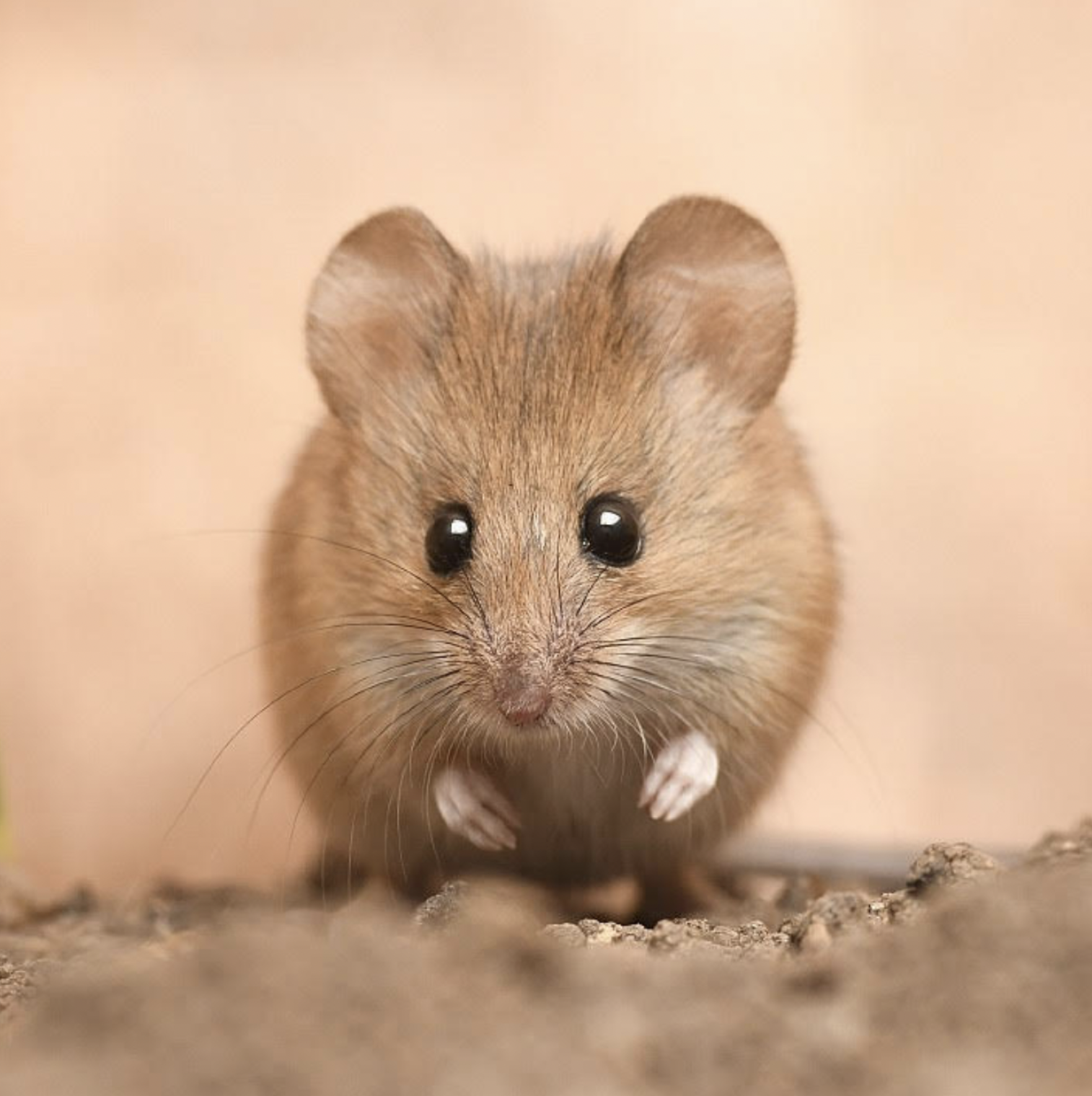
Imagine stepping onto the sweeping grasslands of South Africa, setting down live-traps customized for the comfort of tiny mammals and baited with a mixture that sounds delicious at least to those of...
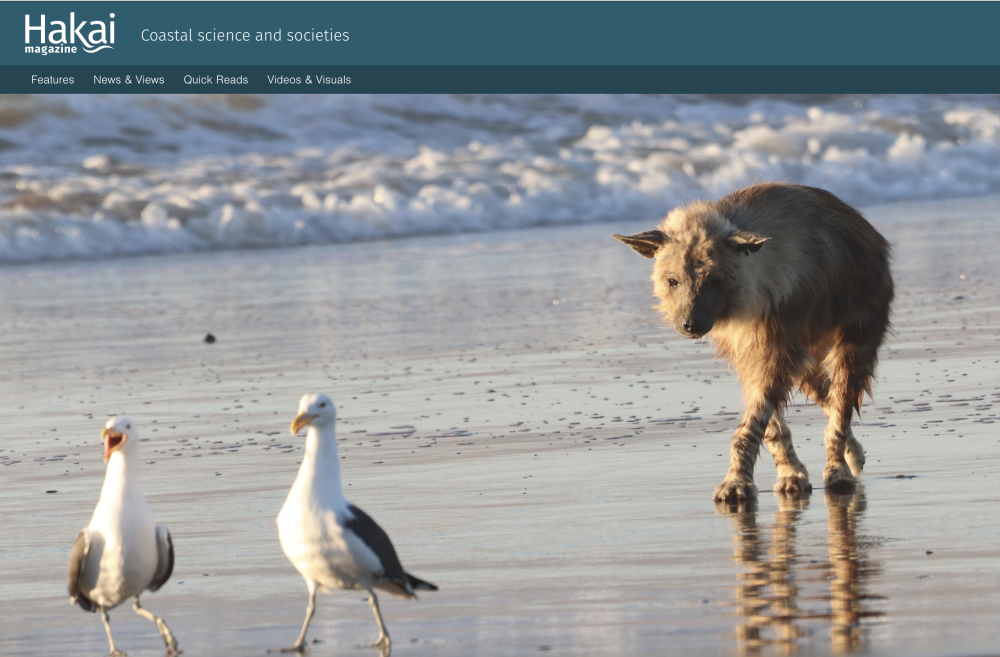
The relationship between predators and prey is the first thing we’re taught about food chains in the complex web of ecology. Small mammals, like mice, are prey to cats. Hyenas with their...

For the second interview in our series highlighting our amazing WildTrack team members, we’re thrilled to welcome Yolanda Davis! Yolanda is a former Principal Software Engineer turned Ph.D. Student...

We’re thrilled to welcome WildTrack team member Nick Alteen as our first interviewee in this series! Nick is a Senior Service Delivery Engineer at GitHub.
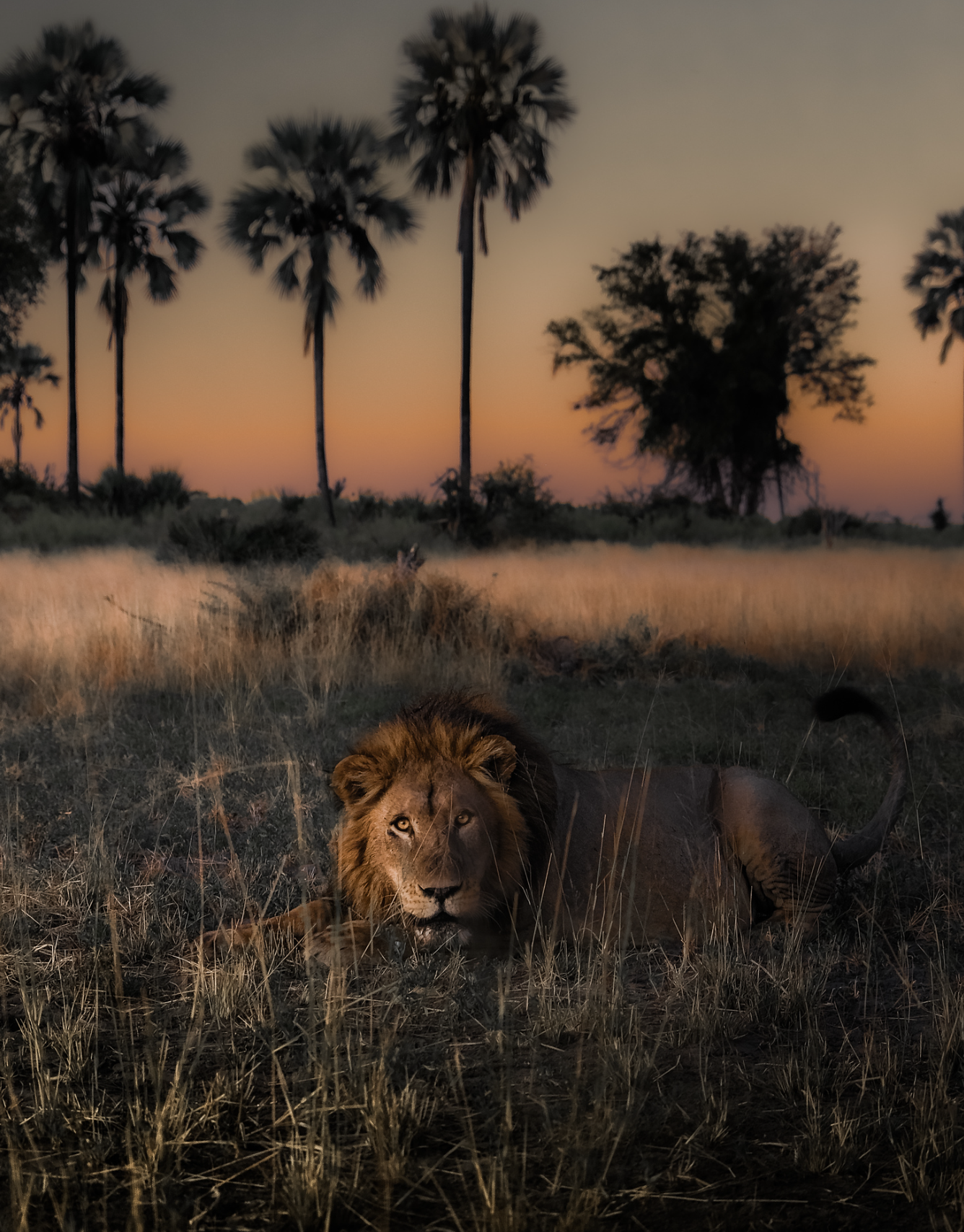
Image with kind permission from Solly Levi
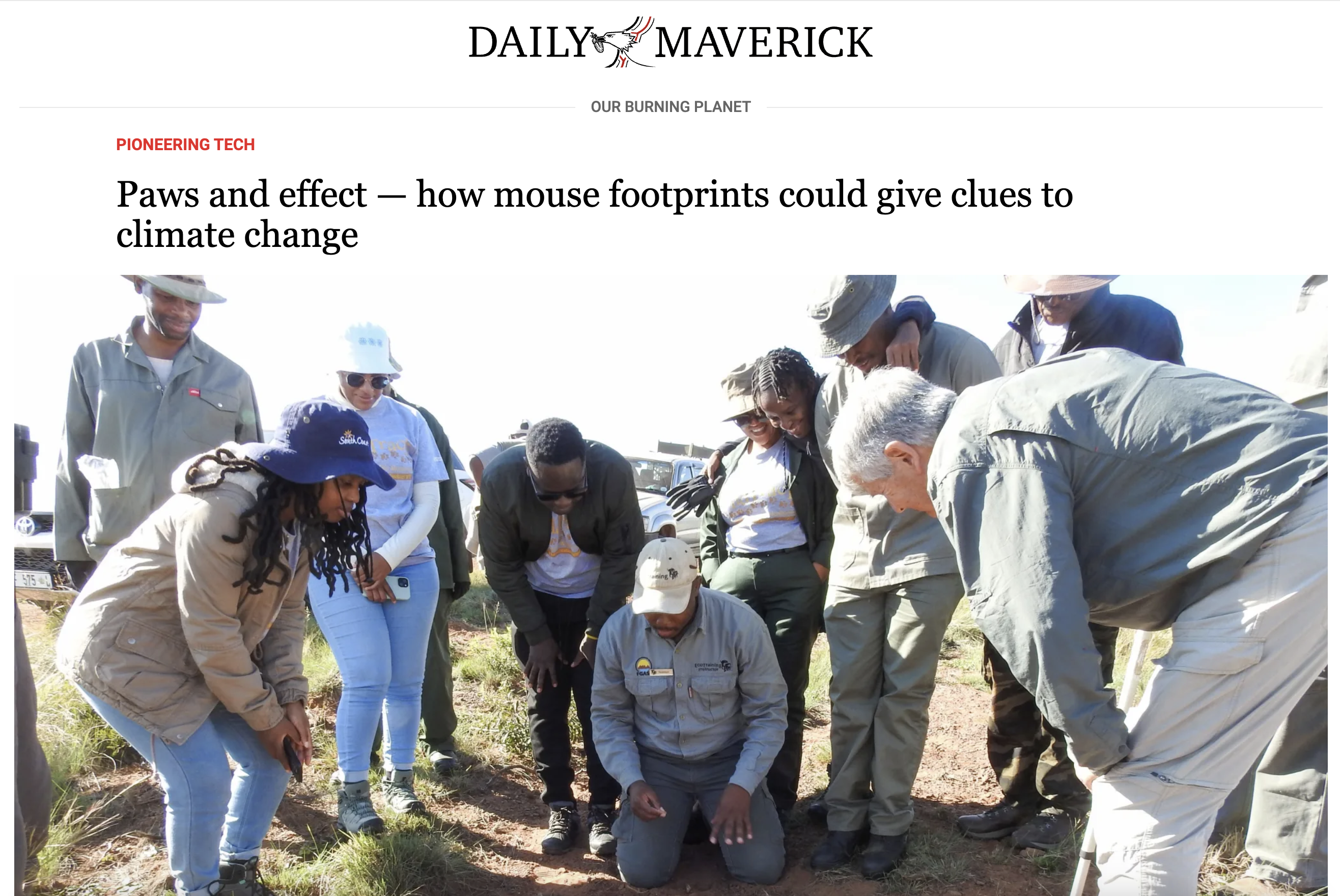
We were recently interviewed by Yves Vanderhaagen from Jive Media in South Africa about the development of our new technology for an environmental integrity metric. Yves wrote this great article...
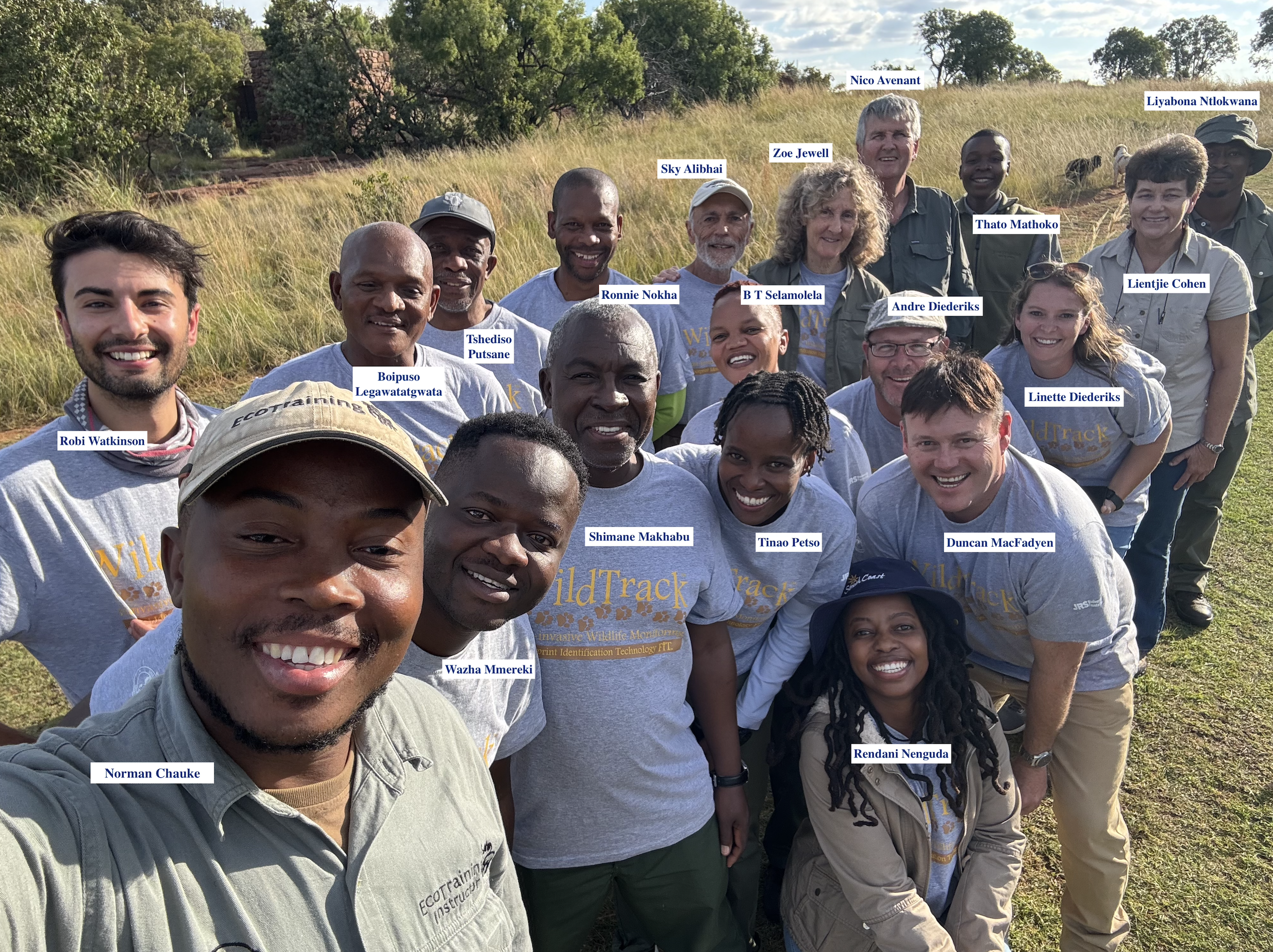
What happens when you bring a group together that’s diverse in their interests, skillsets, ethnicity, culture, experience, and much more? Innovation! At our recent workshop in Telperion Nature...
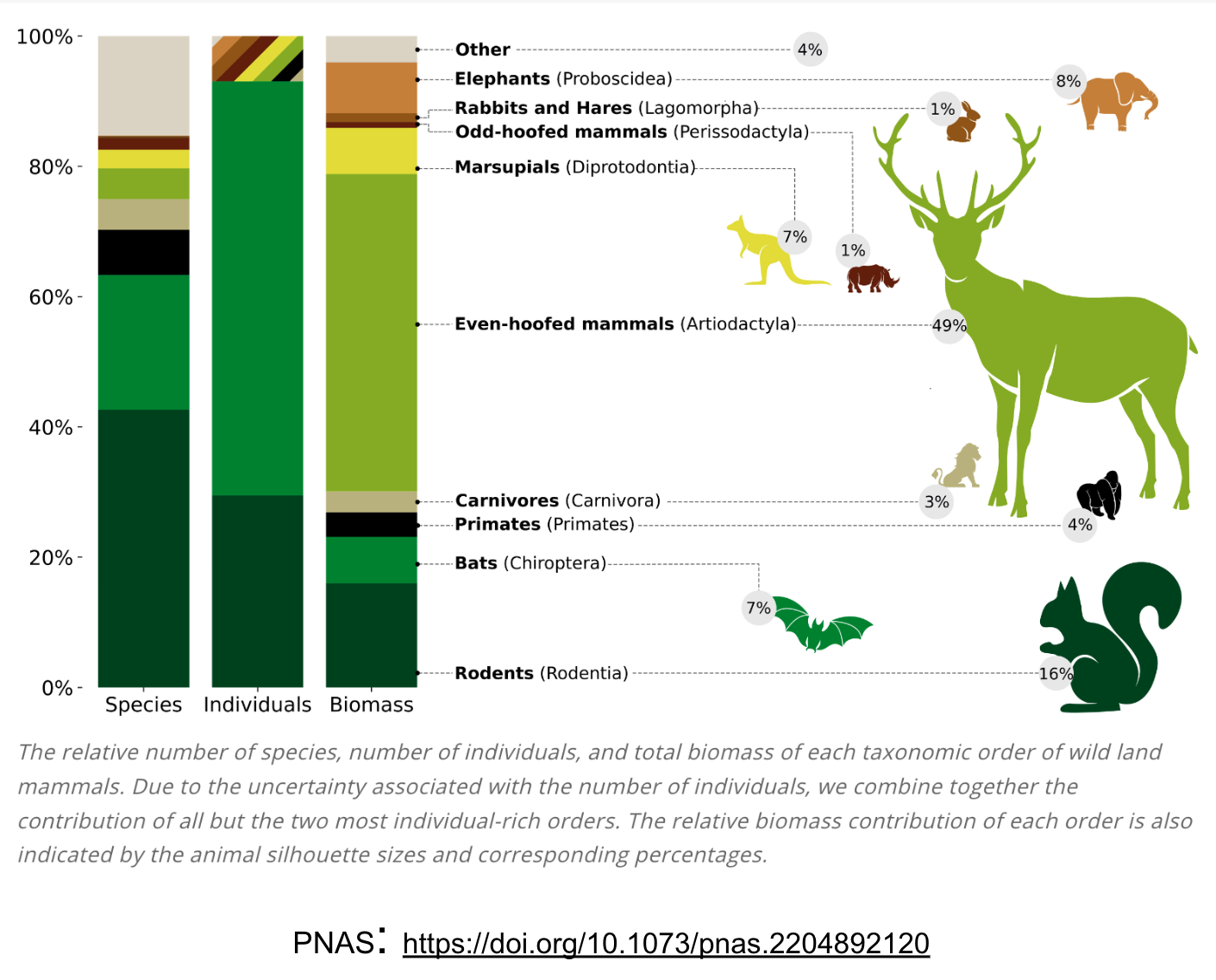
It’s true, a recent article published by PNAS reported that Rodent biomass exceeds that of elephants! Rodents are not only numerous by species, but they are ubiquitous over the planet. This, together...
Developing renewable energy capacity is a current focal point towards sustaining life on earth - not just human life but the lives of the other species we share this planet with. As we learn more...

I was honoured to be one of the first guests for a new Podcast series hosted by Scott Miller, called ‘Creating a Cooler World’. I talk about the work that Sky and I started at WildTrack and our...
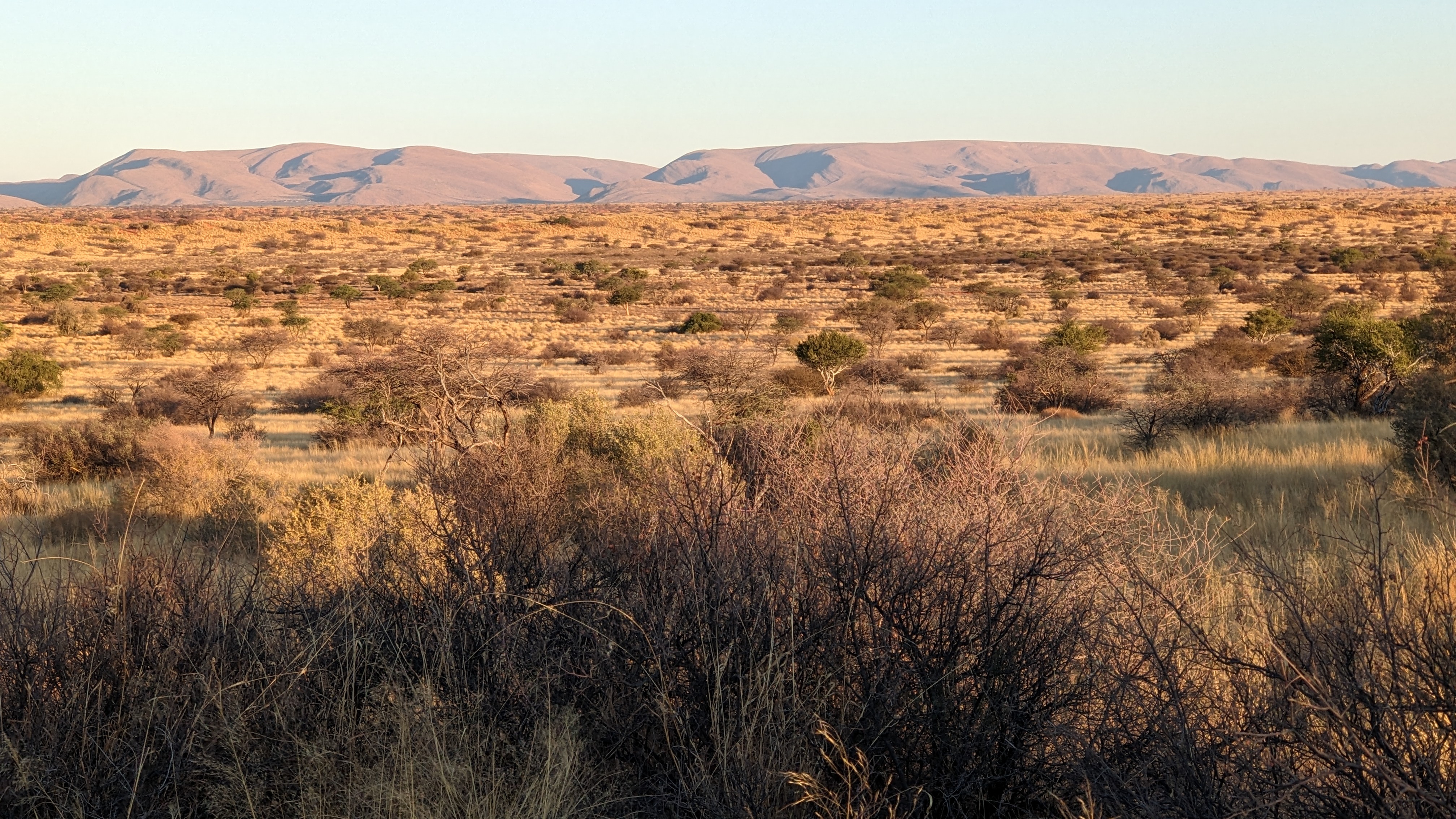
Out here in the northwest of South Africa the quiet is magnificent, and the sunset paints the whole sky in an incredible palette of colours every night just before the dazzling stars come into view.
By Hana Ryan Wilson, WildTrack.
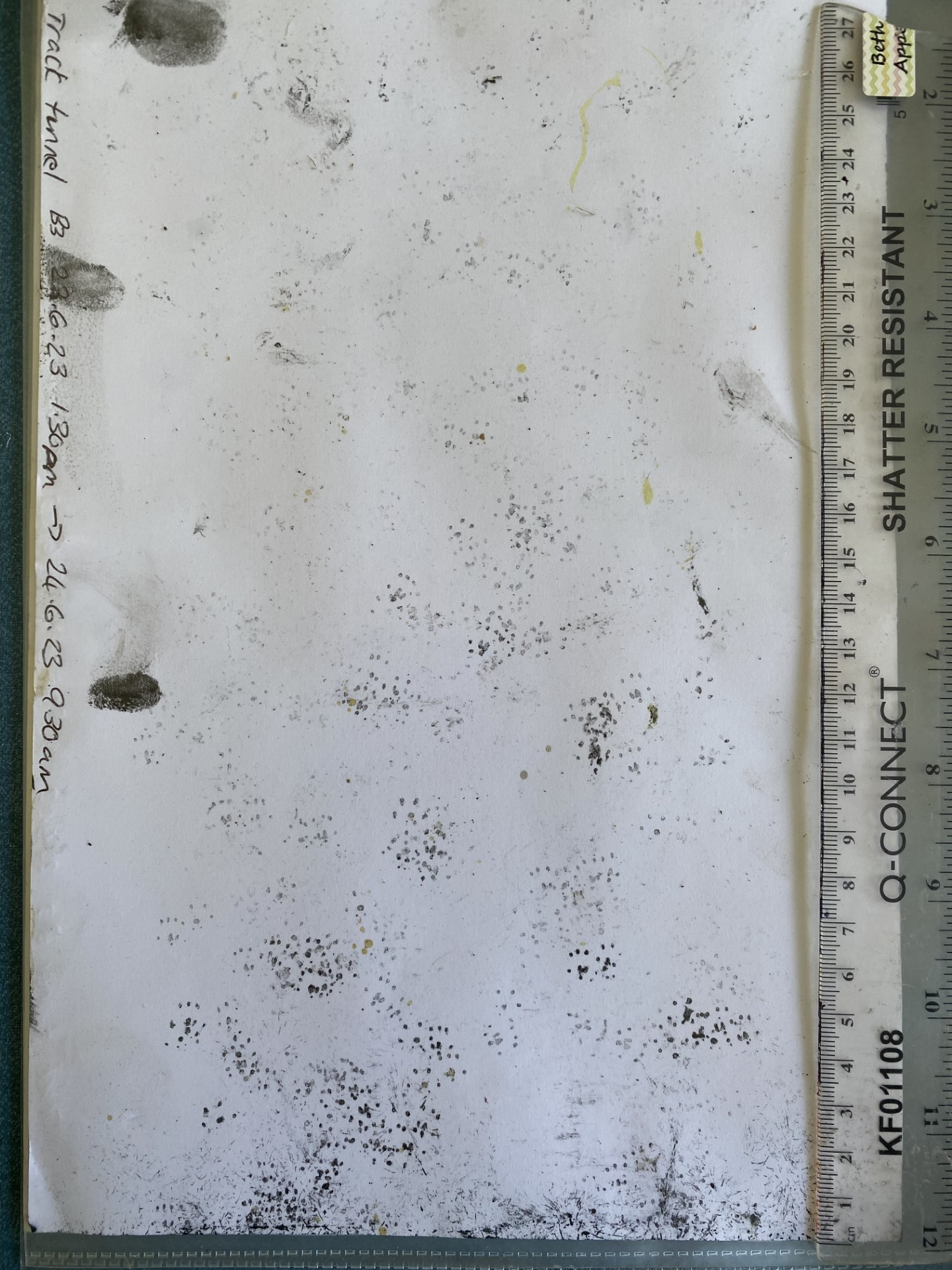
These cheap and simple devices allow us to identify who left the prints. Not only that, but they are so easy to use that Louisa Appel, an innovative Learning Support Assistant from Four Marks C of E...
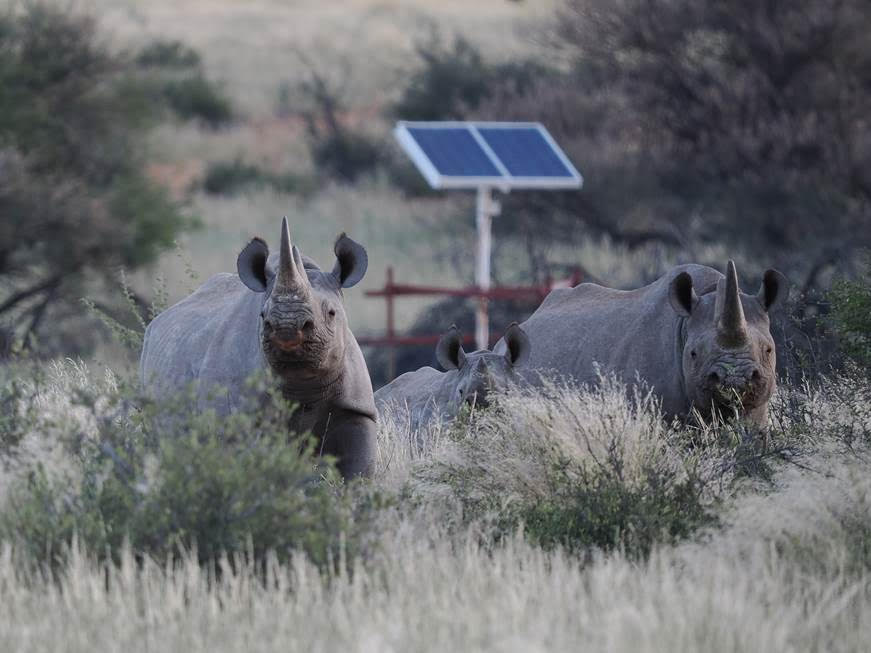
As the world transitions from greenhouse gas-emitting fossil fuels to clean, renewable energy, we can all look forward to the obvious benefits of a curb on climate change and cleaner environments....
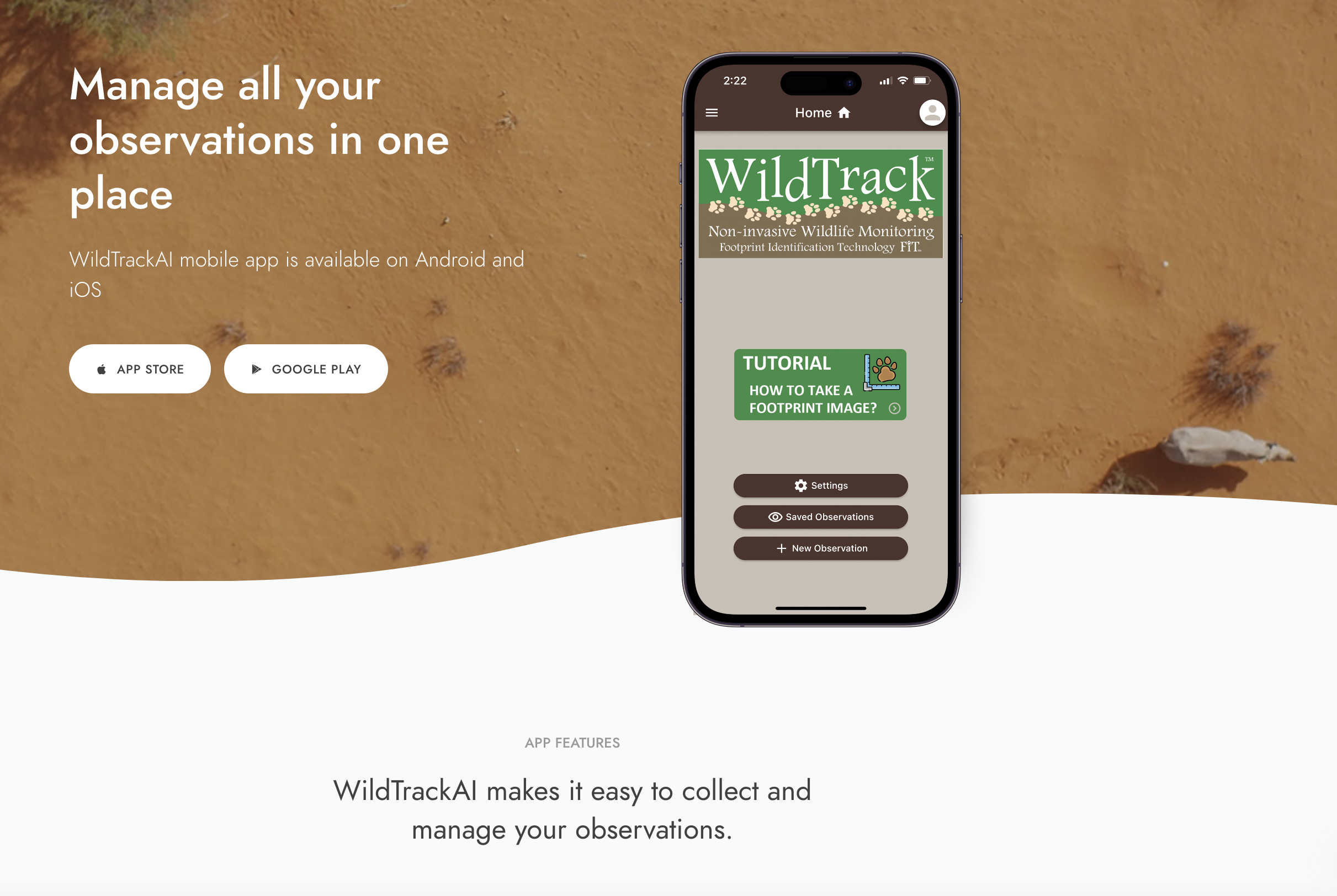
Thank you for using our mobile app! We’re excited to bring you our first update packed with useful features and important fixes. Here’s what’s new in version 1.1.0
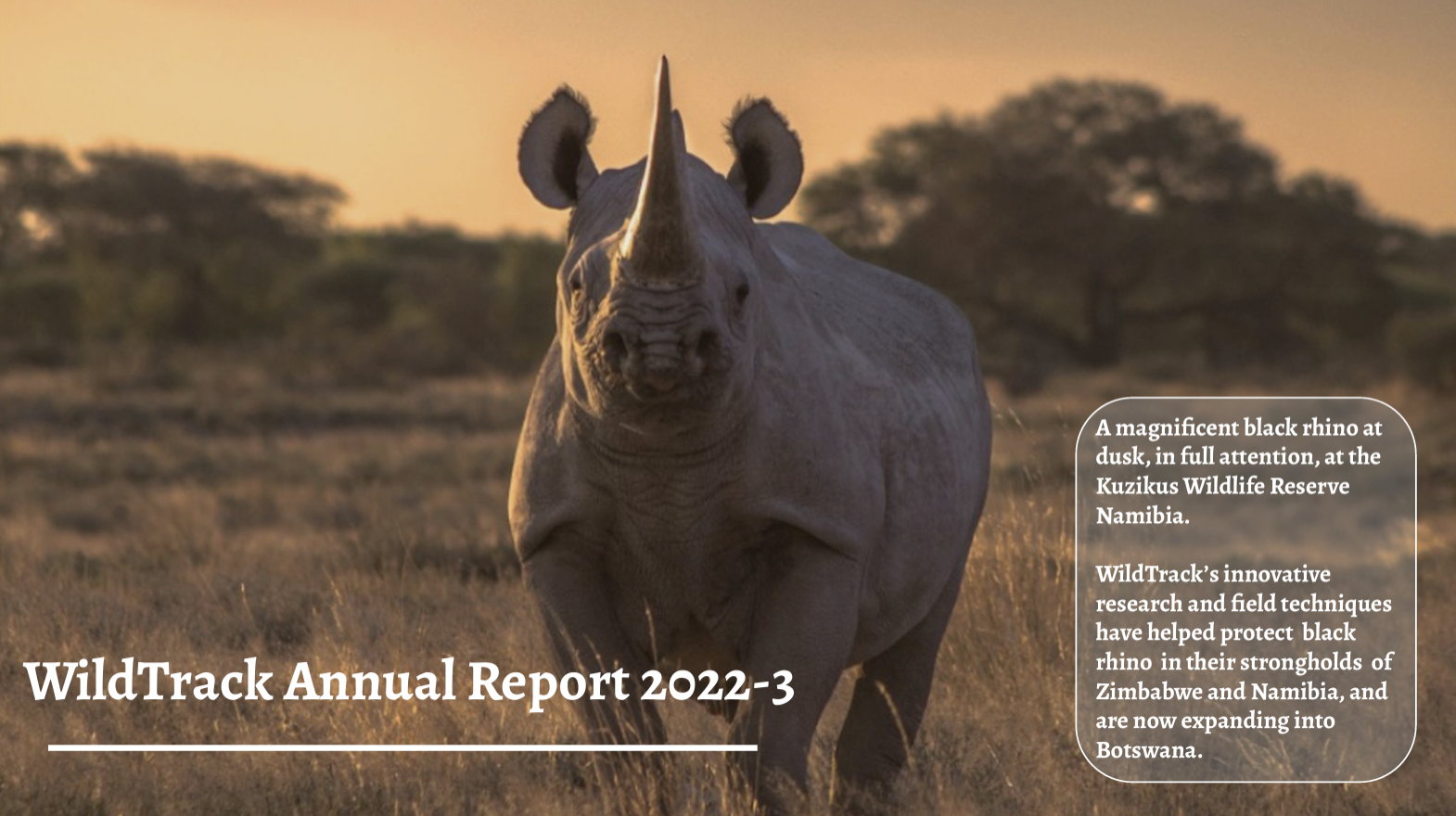
Our Annual Report 2022-3 is now available on our website
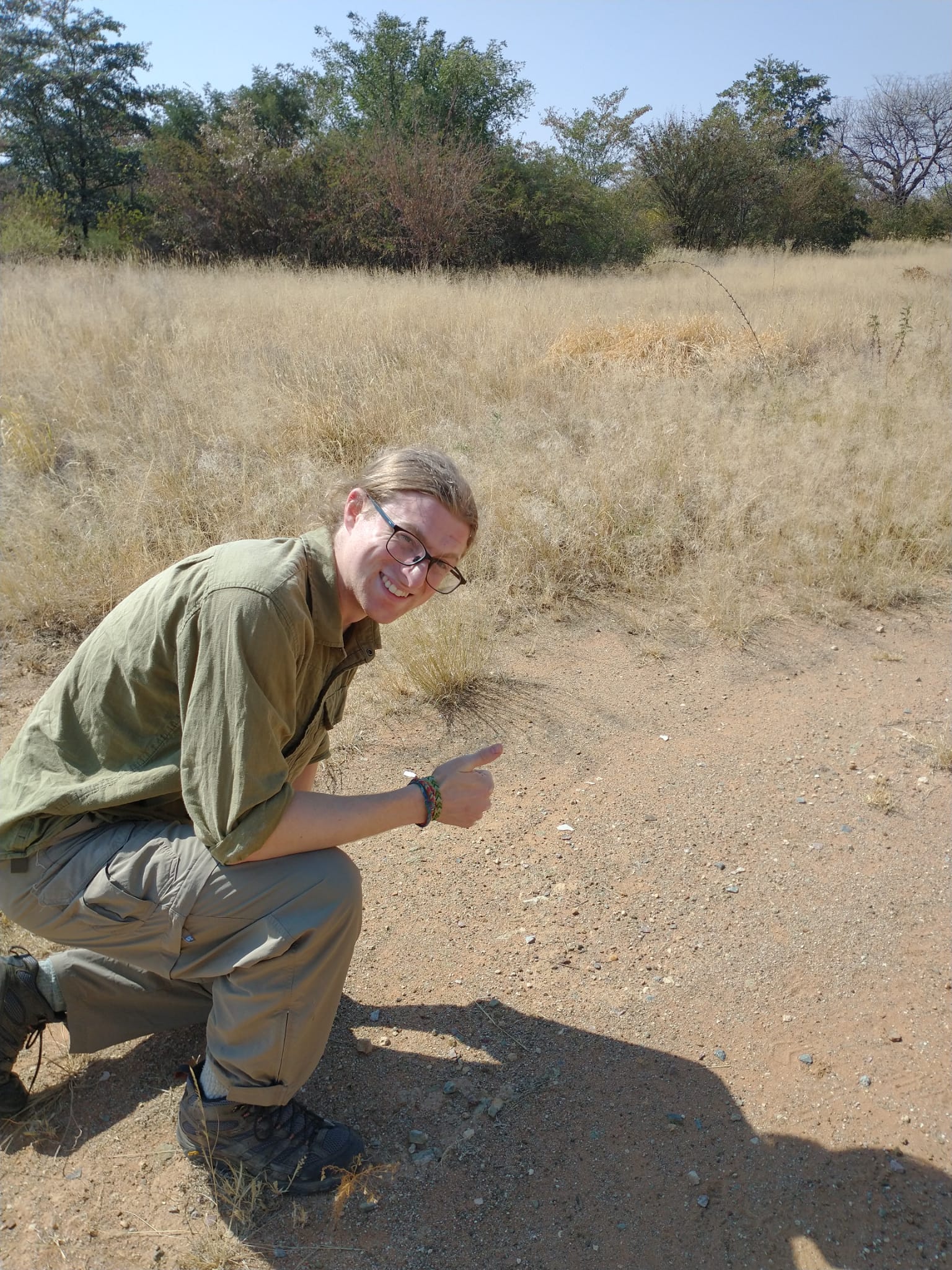
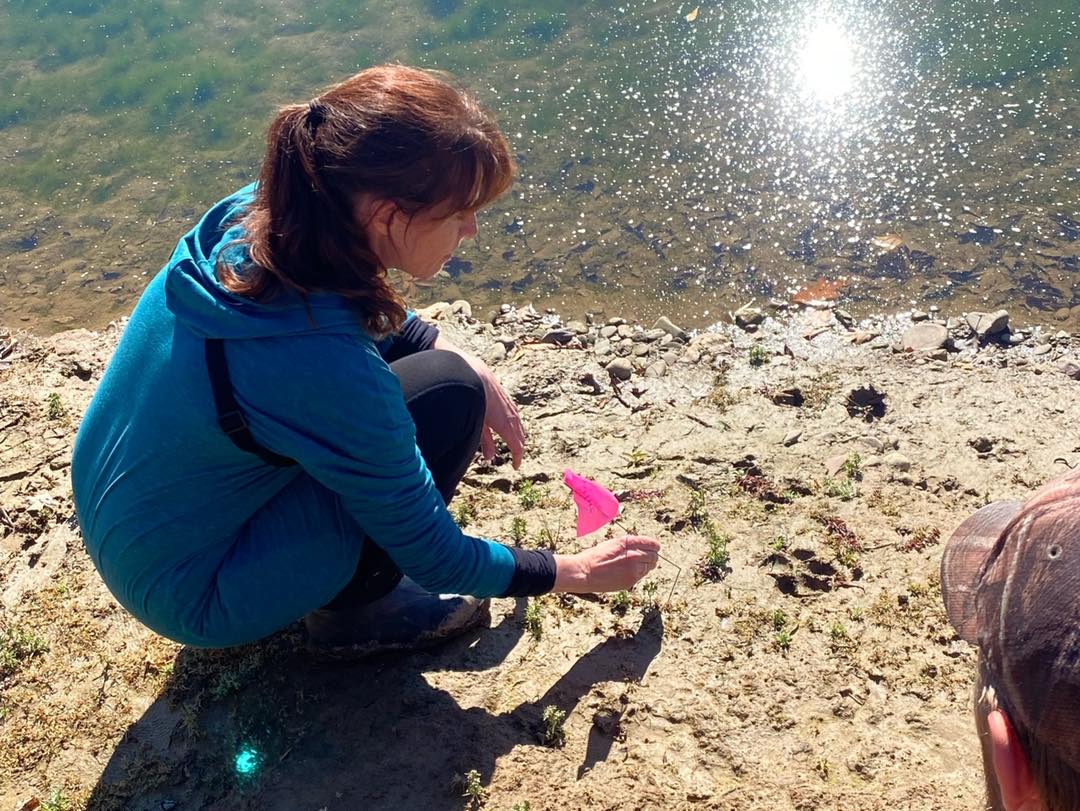
1. You’re an undergraduate engineering student at Olin College of Engineering in Boston, visiting the Botswana International University for Science and Technology! What’s the connection point?!
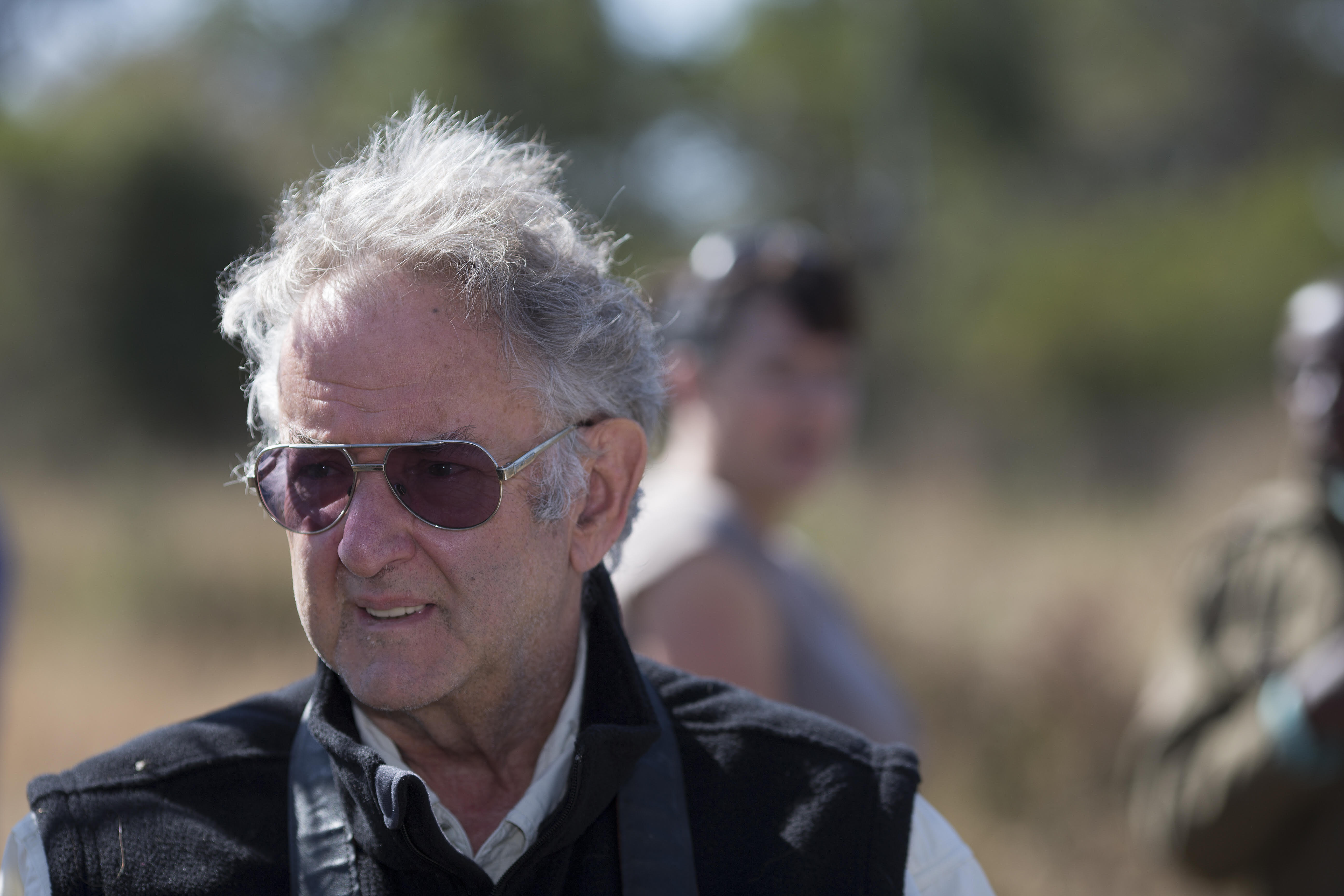
1. As the founding father of biodiversity conservation and winner of every major international conservation award, you have made an astonishing contribution to the field. If an aspiring young...
How can I connect with the Earth on 22nd April?!
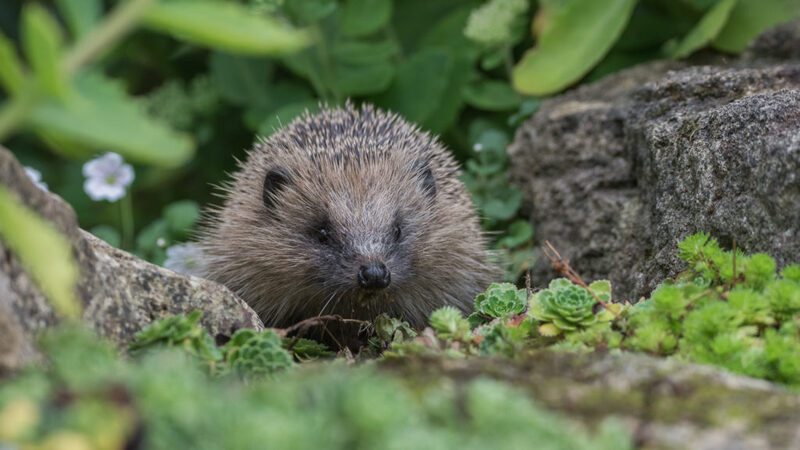
As part of our feature on small mammal monitoring, we interviewed colleague and WildTrack Specialist Group member Nida Al-Fulaij, Conservation Research Manager at the People’s Trust for Endangered...
Did you know that two groups of small mammals - the Rodentia (mice, beavers, squirrels) and Eulipotyphla (shrews, moles, hedgehogs) together contain nearly half of all known mammal species? Yet they...
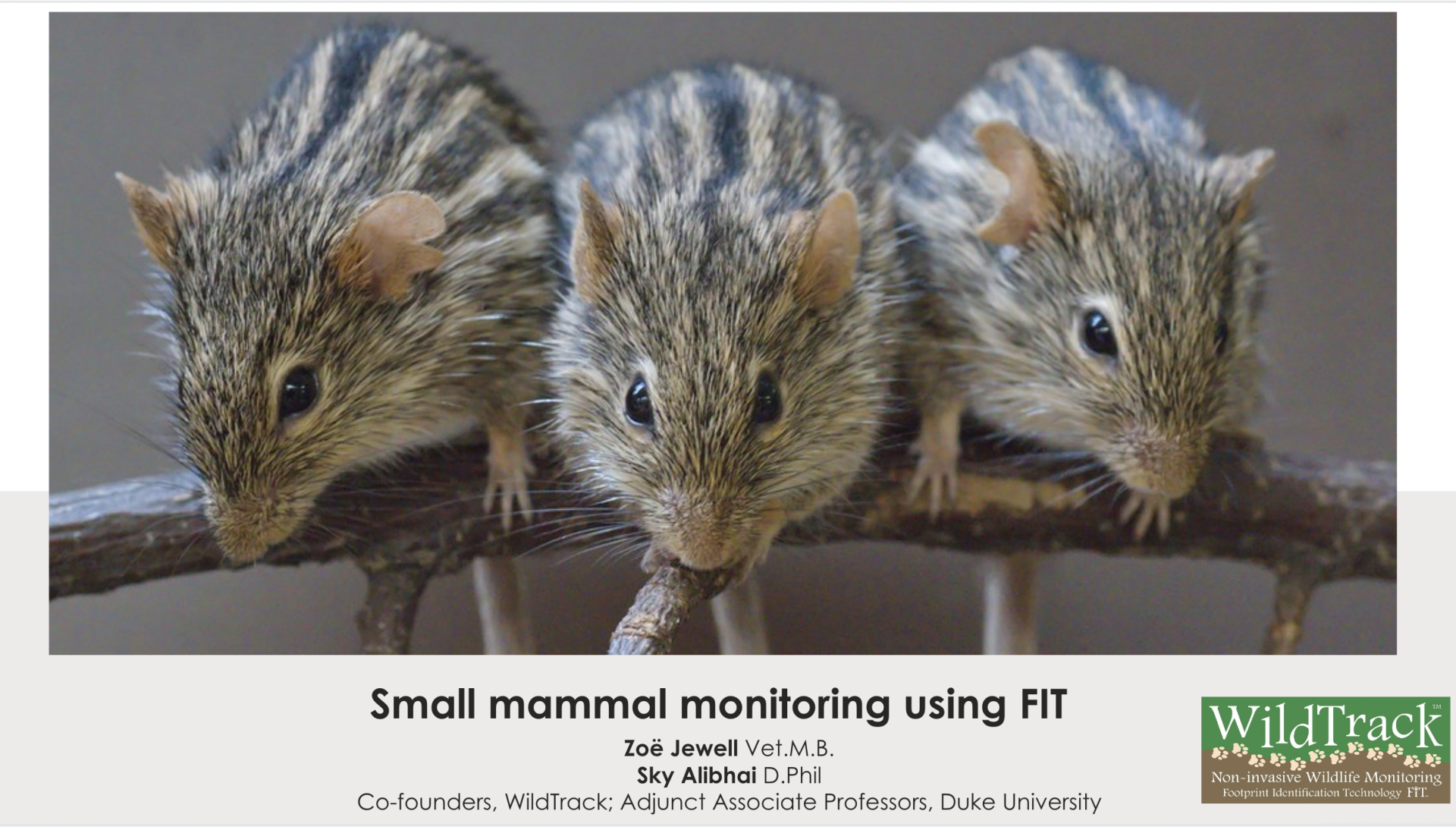
What exactly is a small mammal? The International Biological Programme has defined small mammals as species weighing up to 5 kg. The International Union for Conservation of Nature ( IUCN), on the...
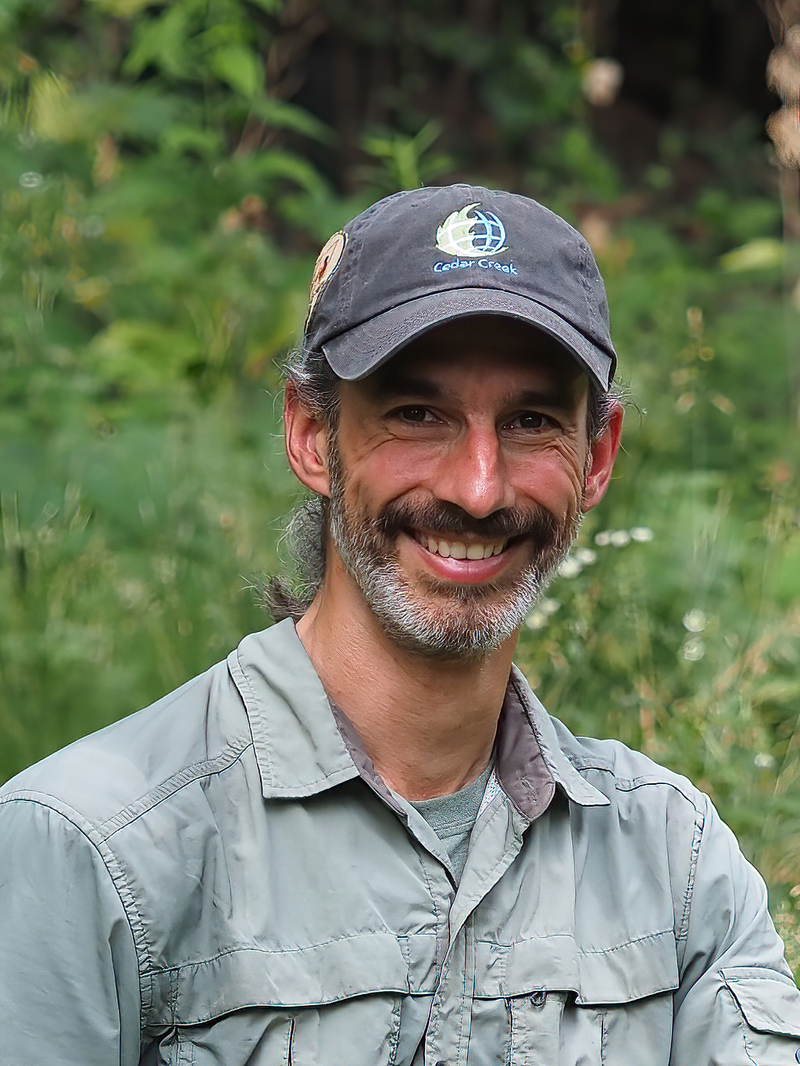
If there’s snow outside, and you’re wondering what to do, try some snow tracking! We’re excited to feature two expert trackers and colleagues: Jon Poppele from the Minnesota Wildlife Tracking...
A few weeks ago we published an article in Peer J - ‘Protecting endangered megafauna through AI analysis of drone images in a low-connectivity setting: a case study from Namibia’ with colleagues...
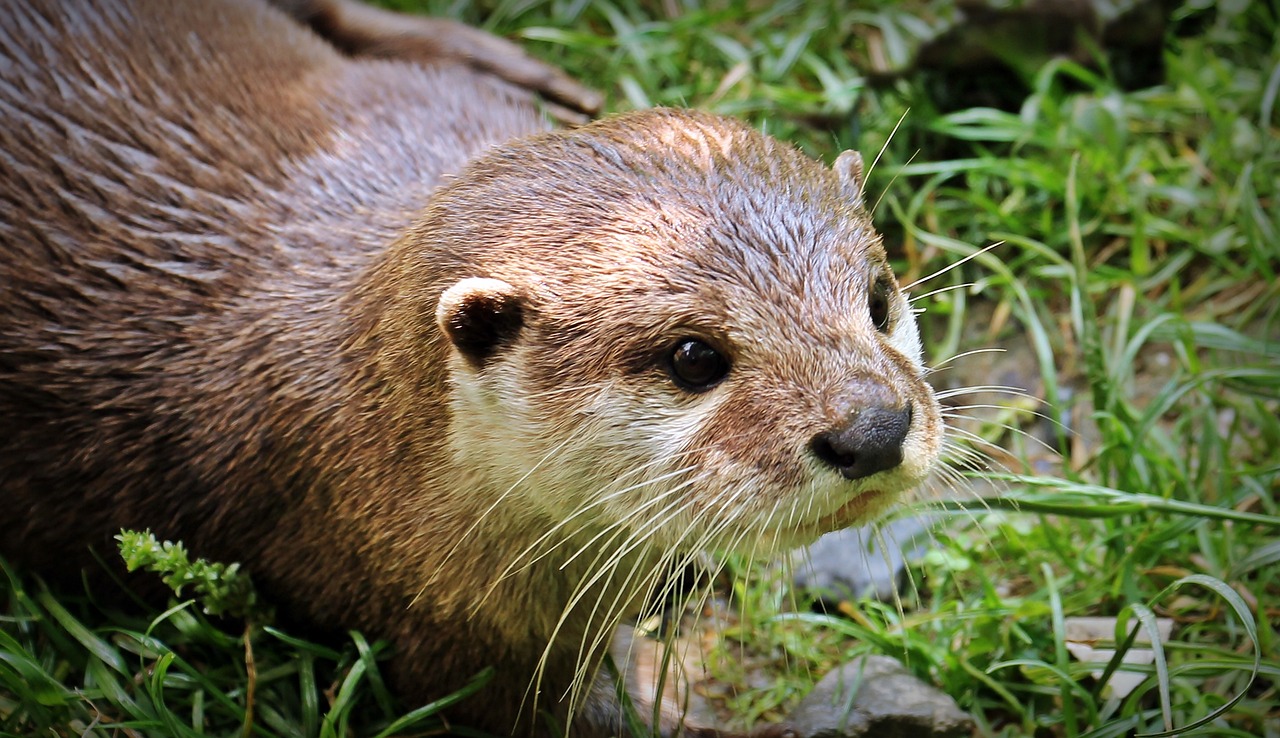
In our last blog post, we showcased our most recent publication on otter monitoring.
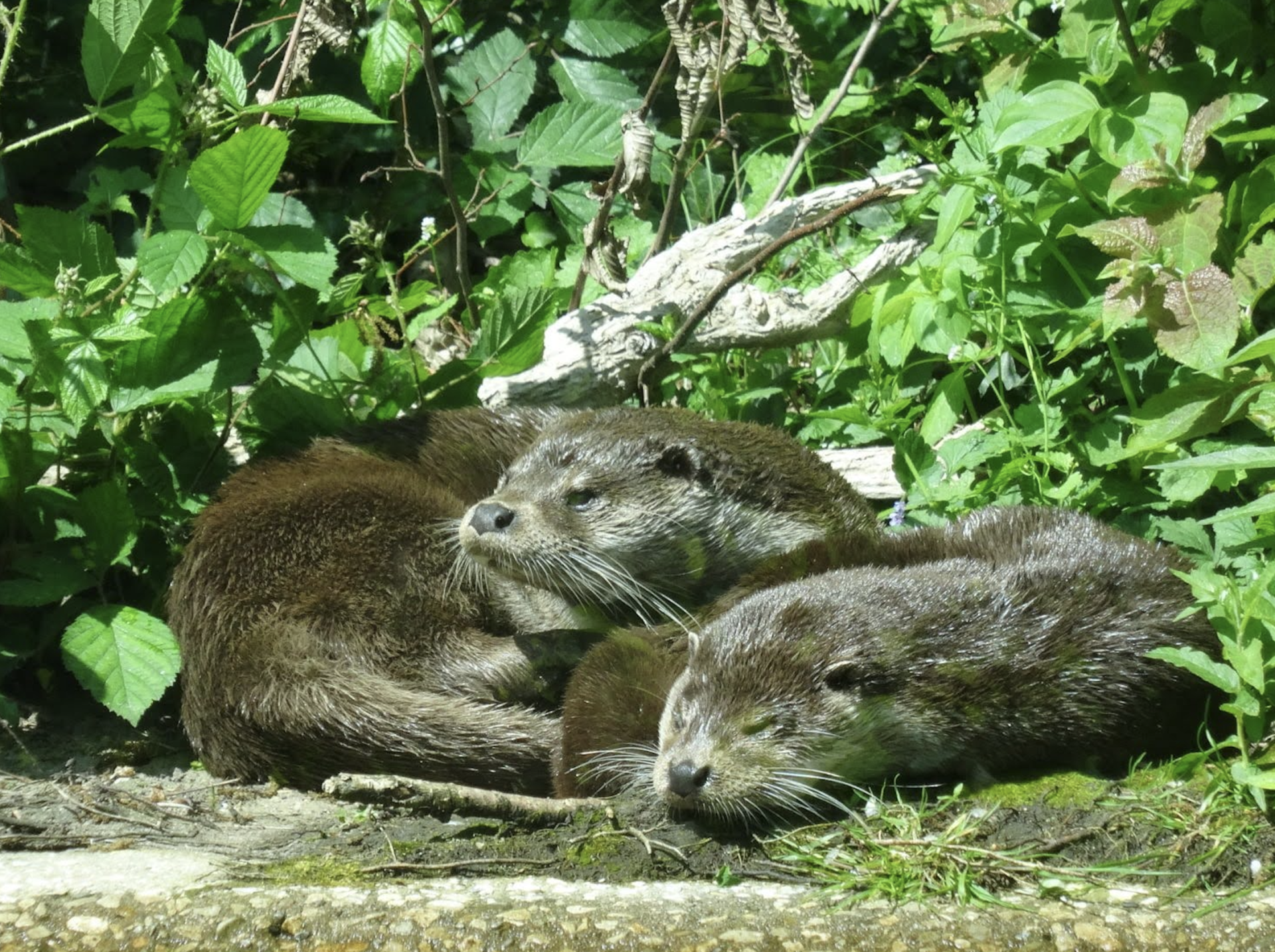
Southeast Asia is home to several different species of endangered otter, but they are elusive - hard to find and harder to count. BUT… their footprints are packed full of data on who is who, just...
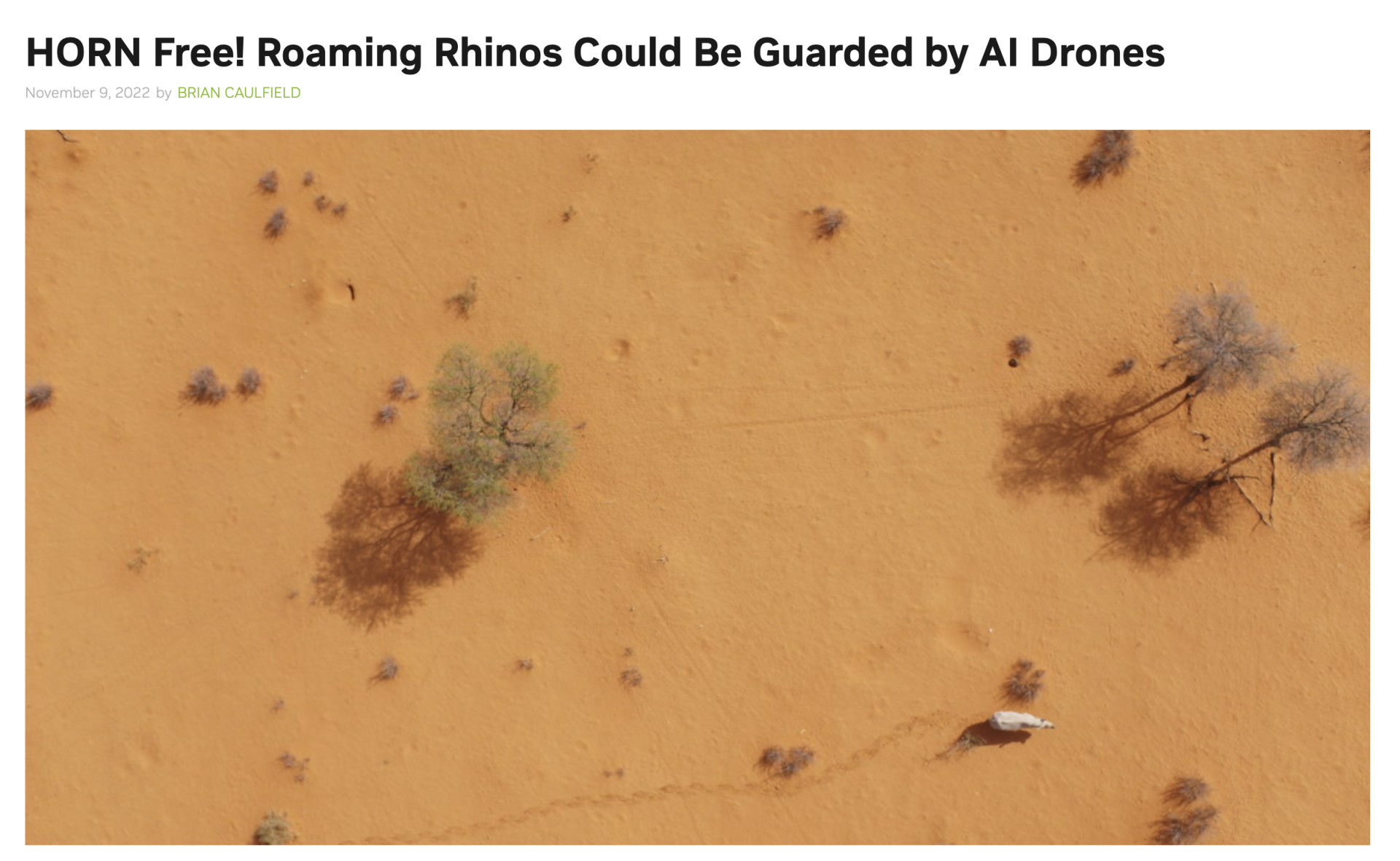
How can we count rhinos quickly over large areas to protect them? I recently recorded a podcast for NVIDIA with colleague Alice Hua, a software engineer and former student from UC Berkeley, on our...
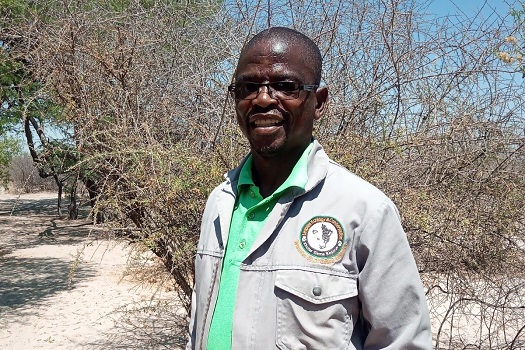
Back before we founded WildTrack, we lived in Zimbabwe for 10 years tracking black rhino, and worked closely every day with expert indigenous trackers. Slowly we translated elements of their...
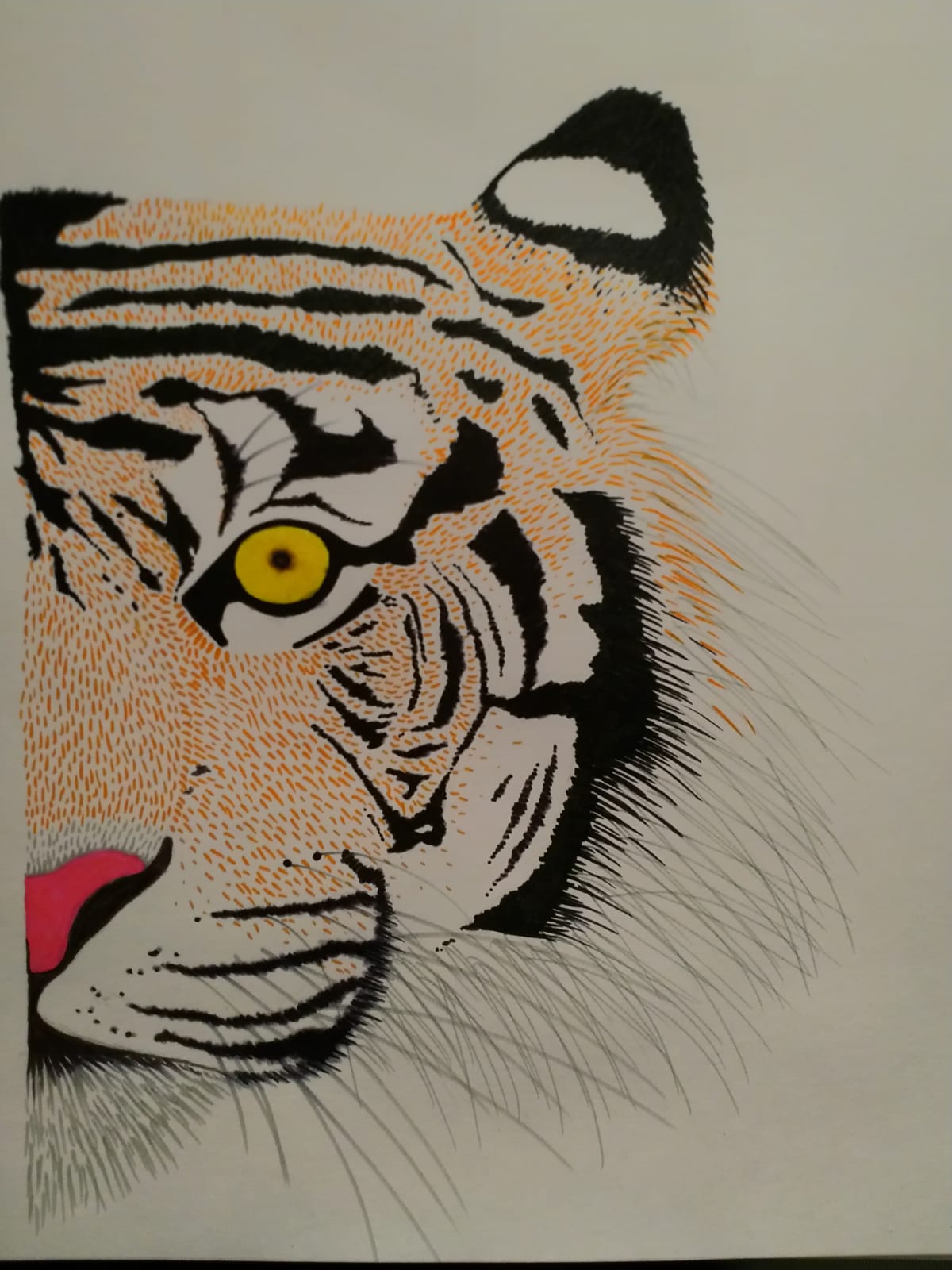
Our Footprint Identification Technology (FIT) emerged from the art and science of tracking. Asaf’s anatomically precise and beautiful track drawings will be complemented by Amy’s wonderful...
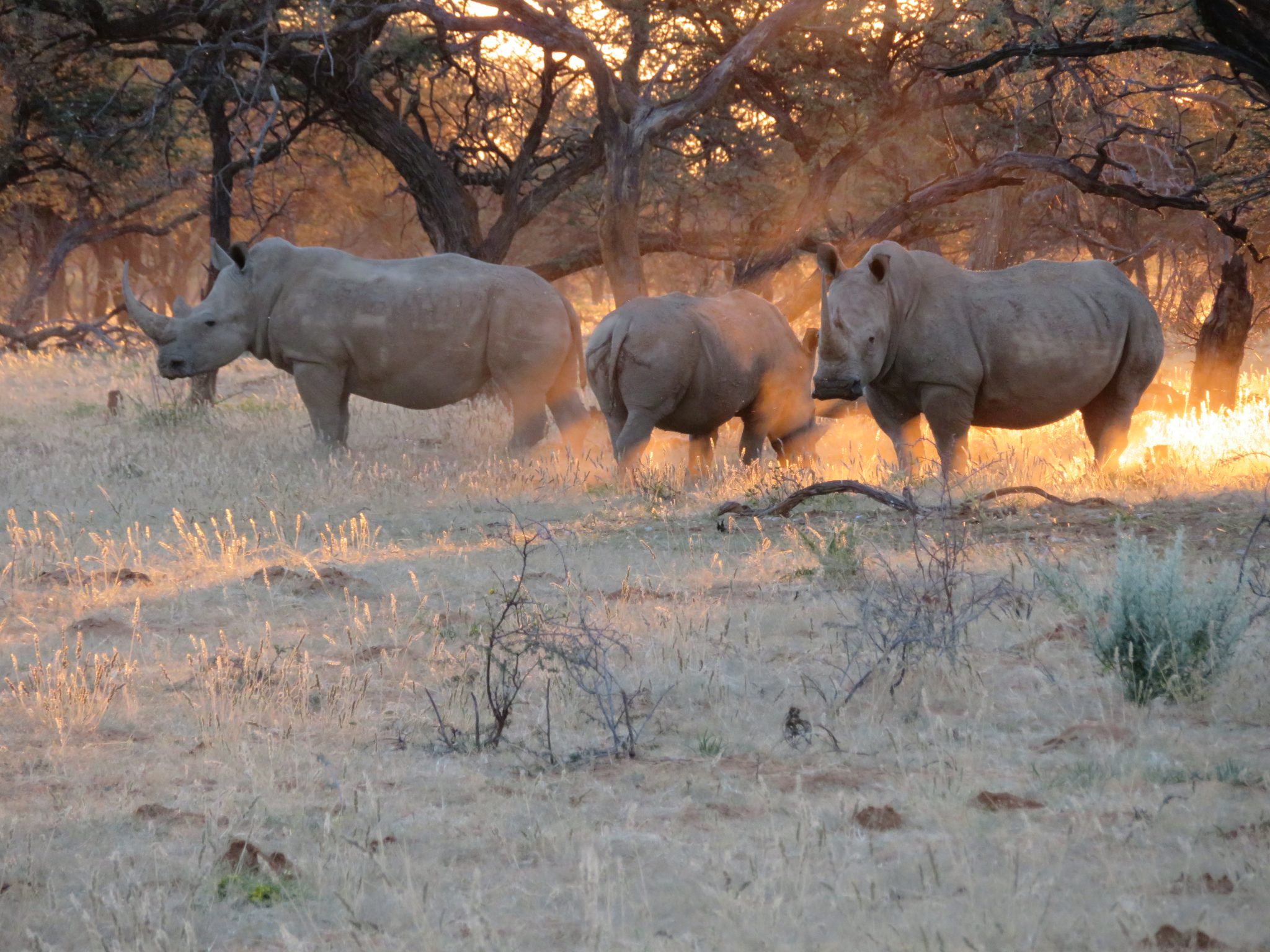
Our latest publication in the journal PeerJ describes how we’ve developed a model to protect rhino using drones. The drones fly overhead and collect video of rhino. An AI algorithm is trained to...
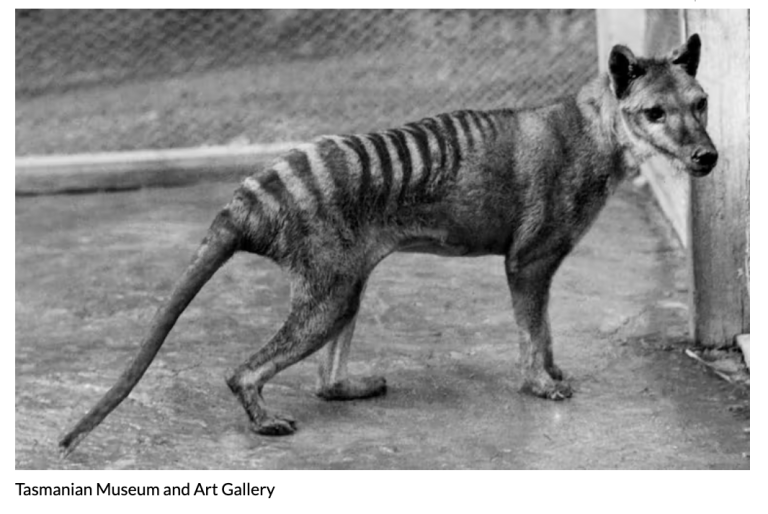
This week, in his excellent blog series, ConservationBytes, Australian Ecologist Corey Bradshaw discusses new attempts to resurrect the extinct Tasmanian tiger, or Thylacine, which was hunted to...
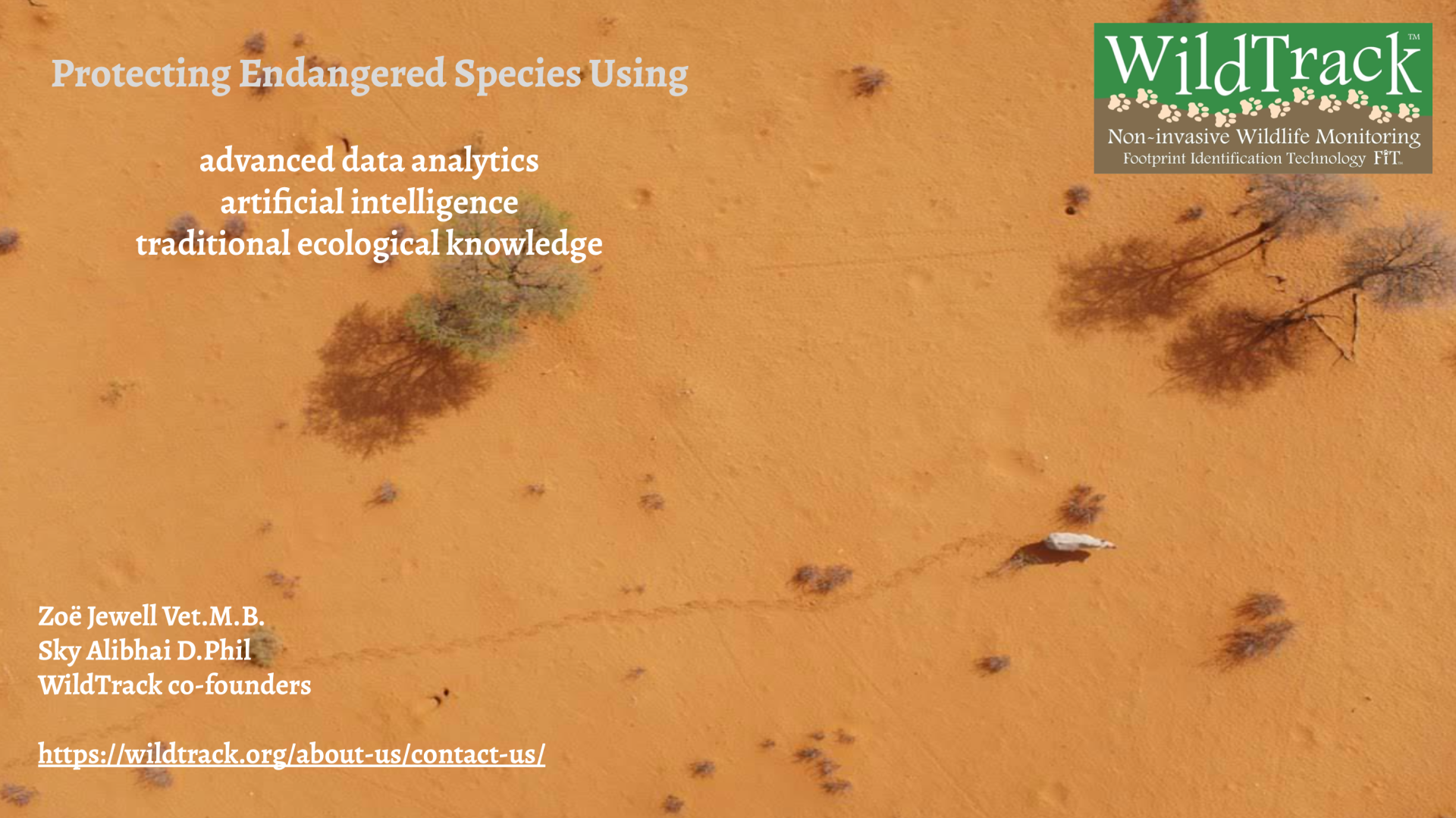
We were honoured to present WildTrack’s work to a wide-ranging audience from wildlife conservationists to government officials from around the world at this IUCN event that works to identify new...
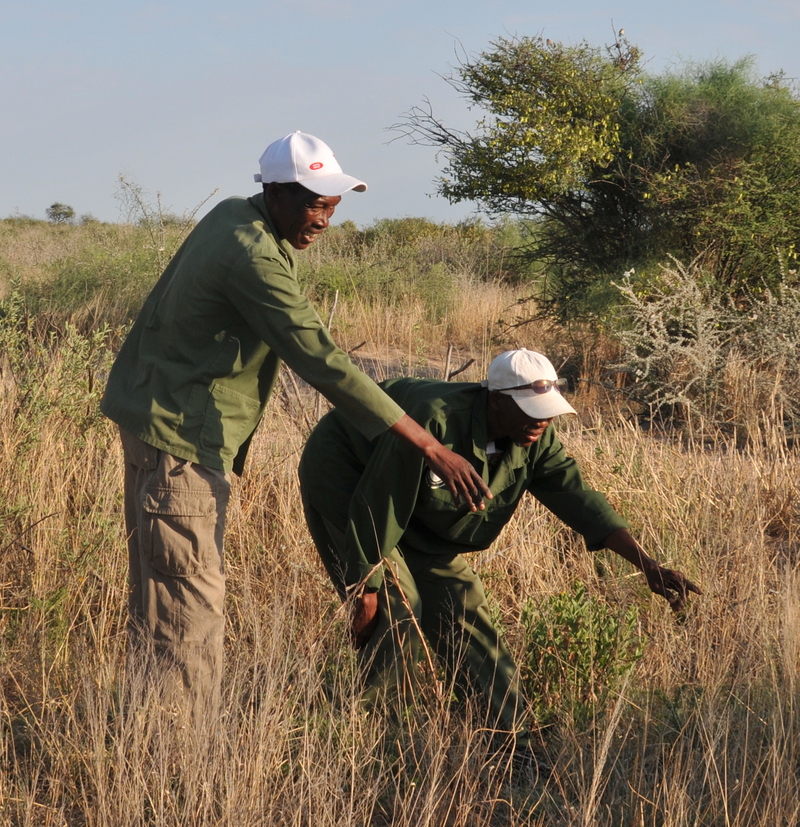
As we emerge, slowly and unsteadily, from the thunderbolt of the first Pandemic, with more almost certain to come, it seems a good time to look at the path ahead.
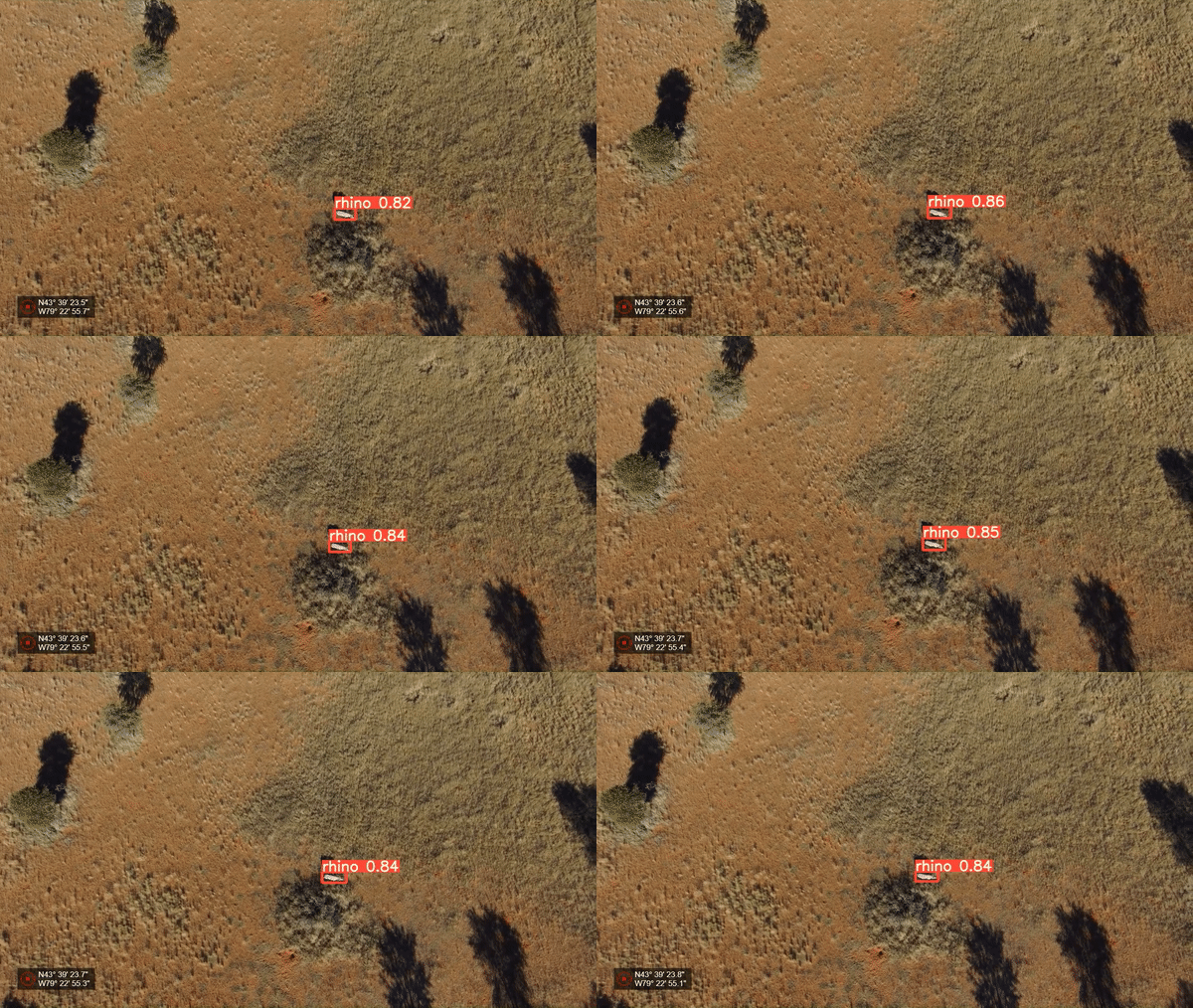
Conservationists now have a new prototype AI tool to help prevent rhinoceros poaching.
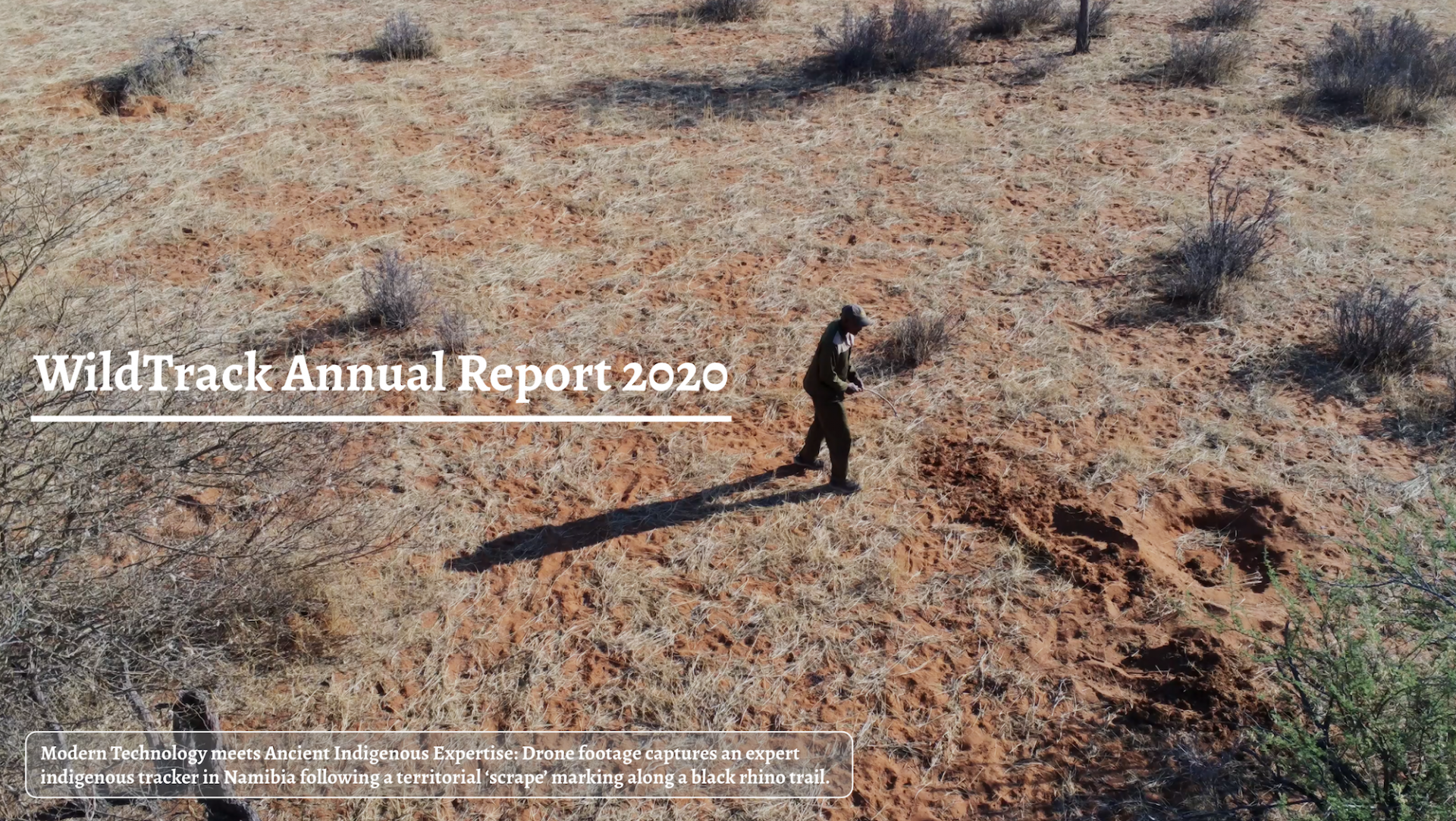
We report on the challenges we faced during an extraordinary year, and share our successes.
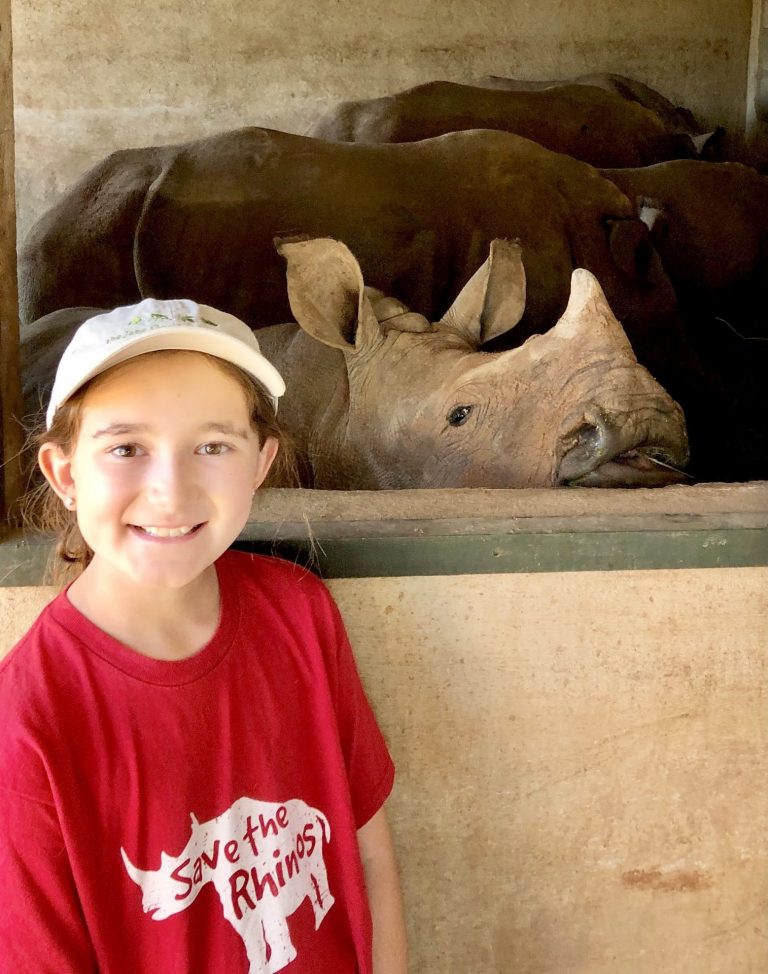
Kate Gilman-Williams is driven by a passion to protect animals. What marks her apart from most other 11 yr olds is her determination to communicate this, and to act for change! Remarkably, she wrote...
The United Nations Day for Biological Diversity 2021 is an opportunity to celebrate the work being done around the world to protect our fast-disappearing biodiversity.
The new WildTrack Specialist Group is an innovative global network of conservation biologists using only animal-friendly and community-accessible techniques to protect endangered species. This short...
The theme of the 2021 Women in Science Day is ‘Women Scientists at the forefront of the fight against COVID-19. Our majority-women WildTrack Core Group is made up of independent scientists working to...
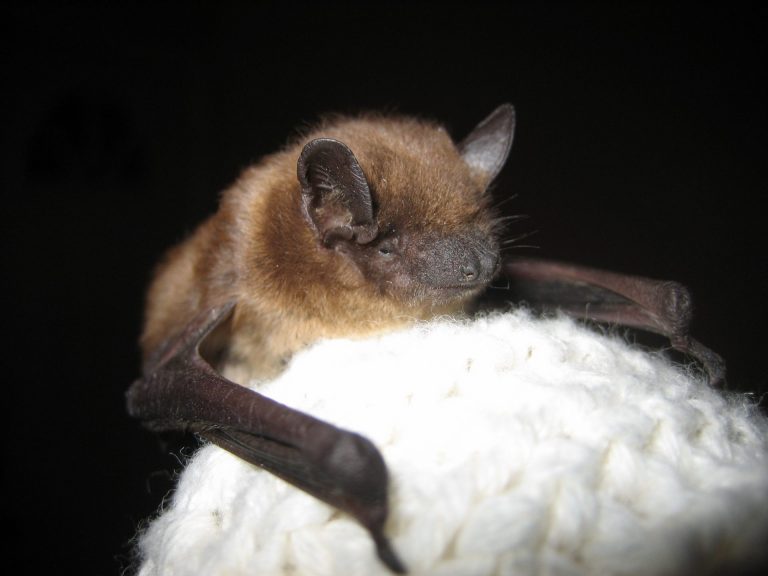
All over the world, bats – yes those same bats that pollinate our food, disperse seeds, eat bugs that annoy us – are in deep trouble. A fungal disease, white-nose syndrome, is decimating hibernating...
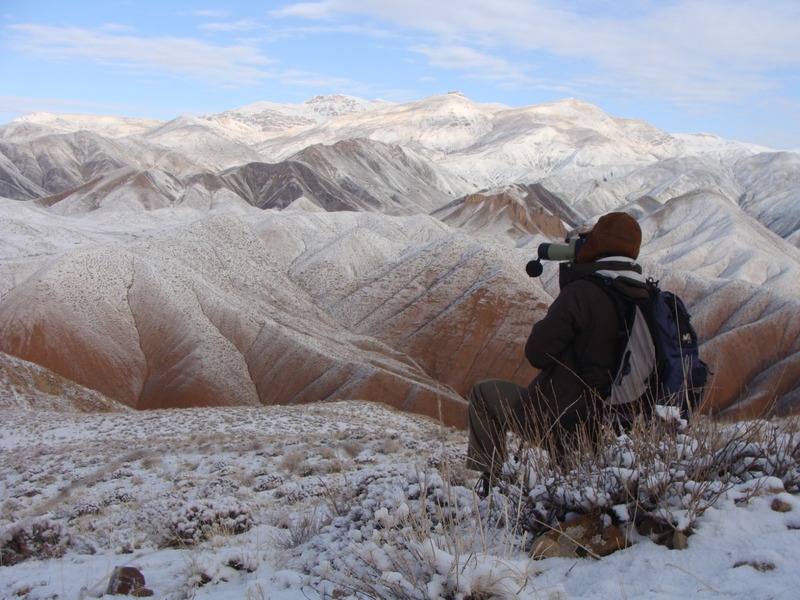
Guest Blog: WildCats in Iran – New tourism initiative to help conservation January 4, 2021 Nature tourism and wildlife conservation often work hand in hand to support each other. COVID-19 has hit...
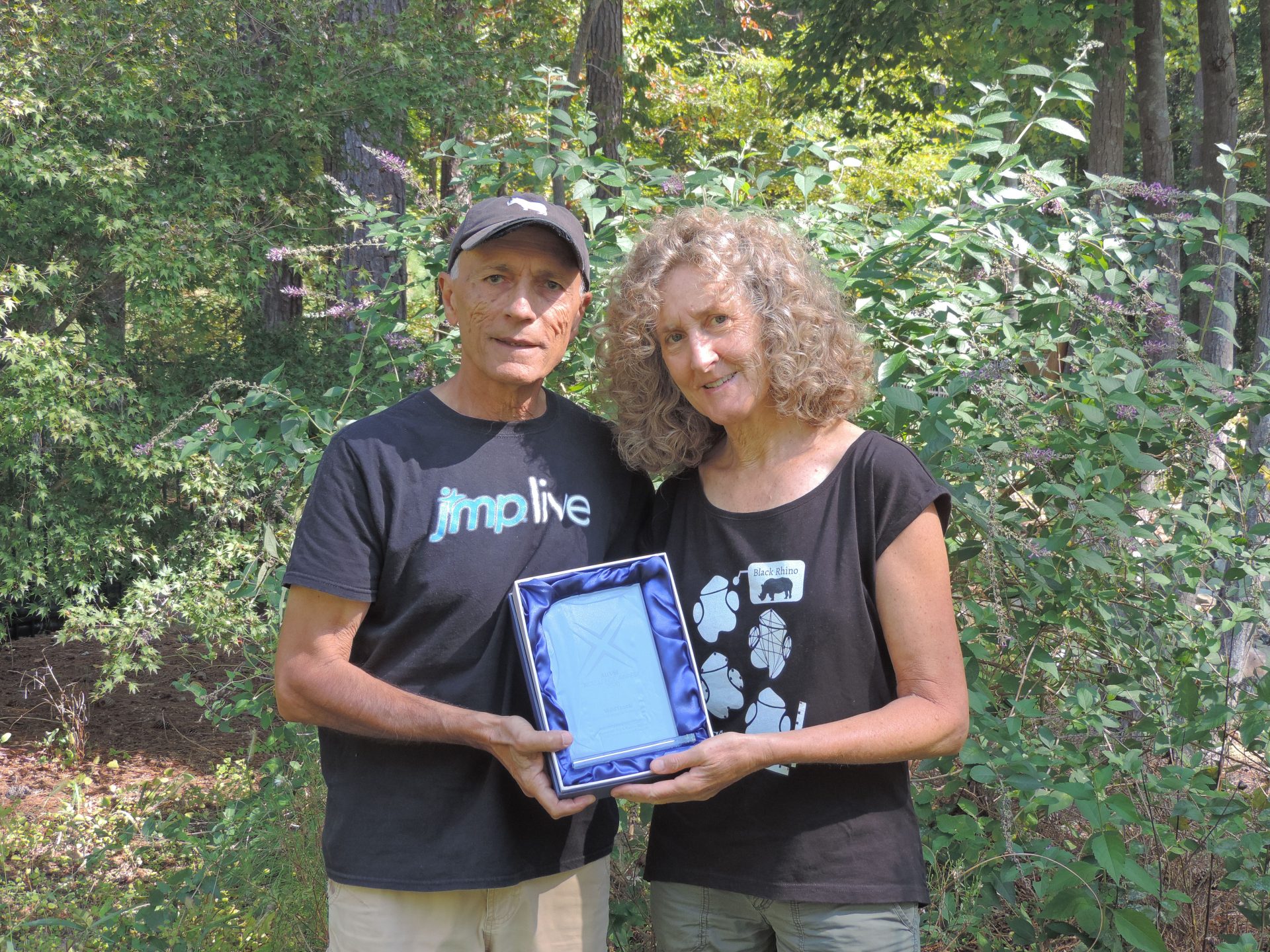
We’re truly honoured to be recipients of the 2020 Association for Unmanned Vehicle Services International (AUVSI) XCELLENCE award in the Humanitarian category, for our work using UAVs to monitor the...
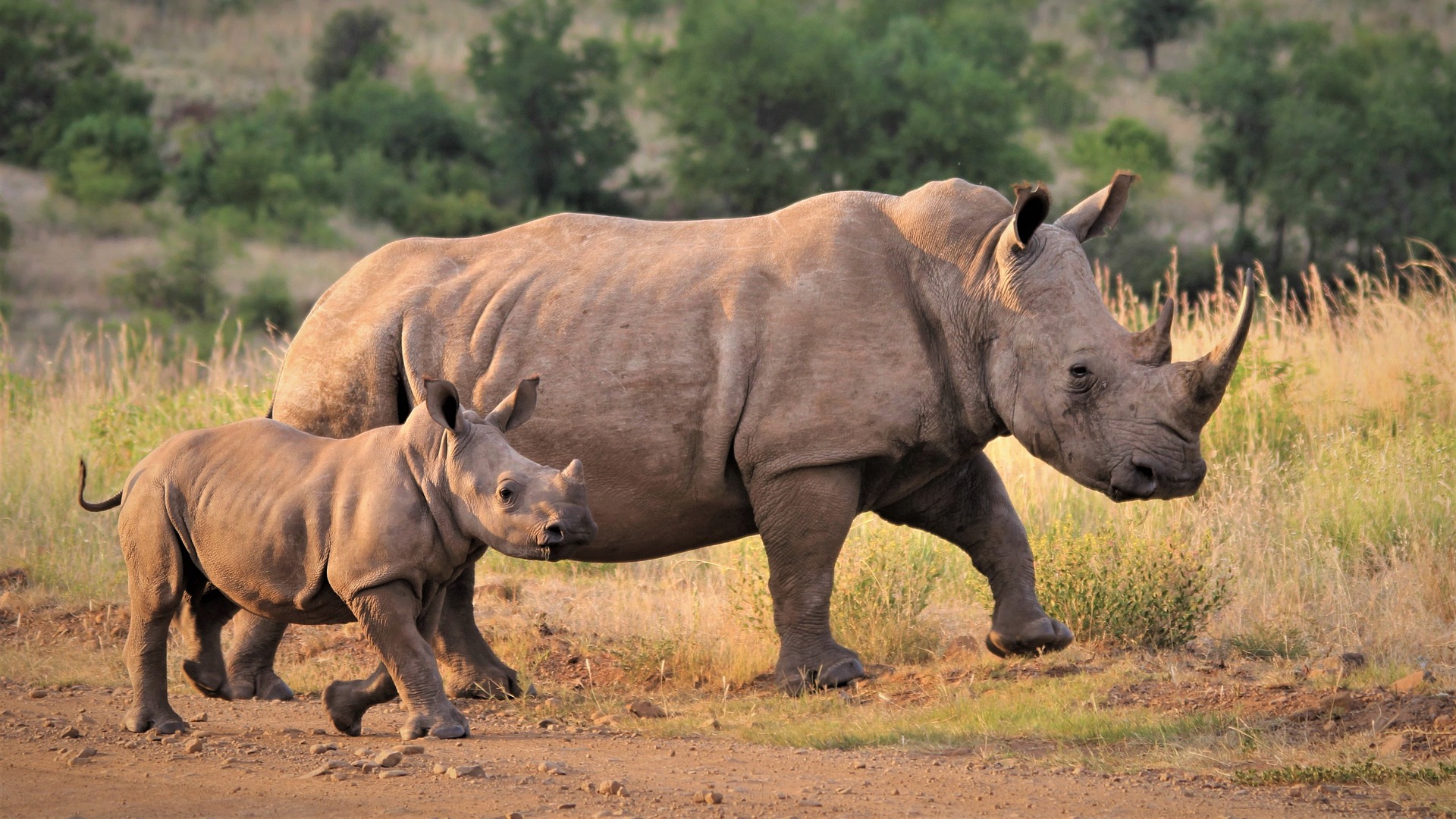
This paper focus specifically on the practical application of our footprint identification technique in JMP for monitoring at-risk black rhino populations in Namibia’s custodianship properties.
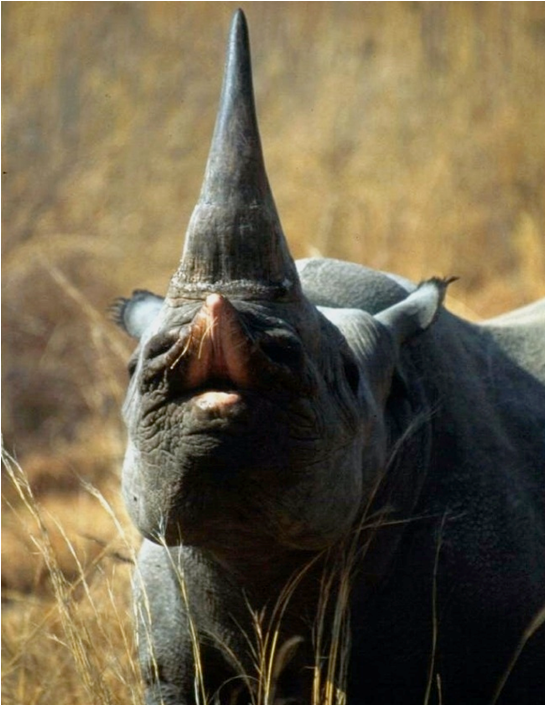
WildTrack, in collaboration with the UC Berkeley I School, has won the coveted Hal R. Varian Capstone award for the WildTrackAI Computer Vision application! WildTrack was voted by the judges as the...
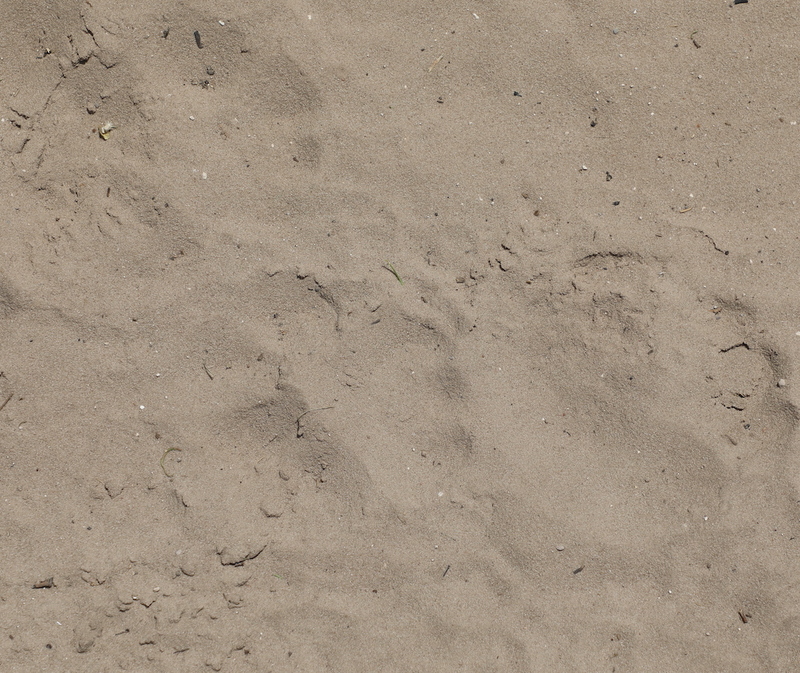
An almost perfect lion print - left hind foot - showing clear outlines of the four toe pads and heel.
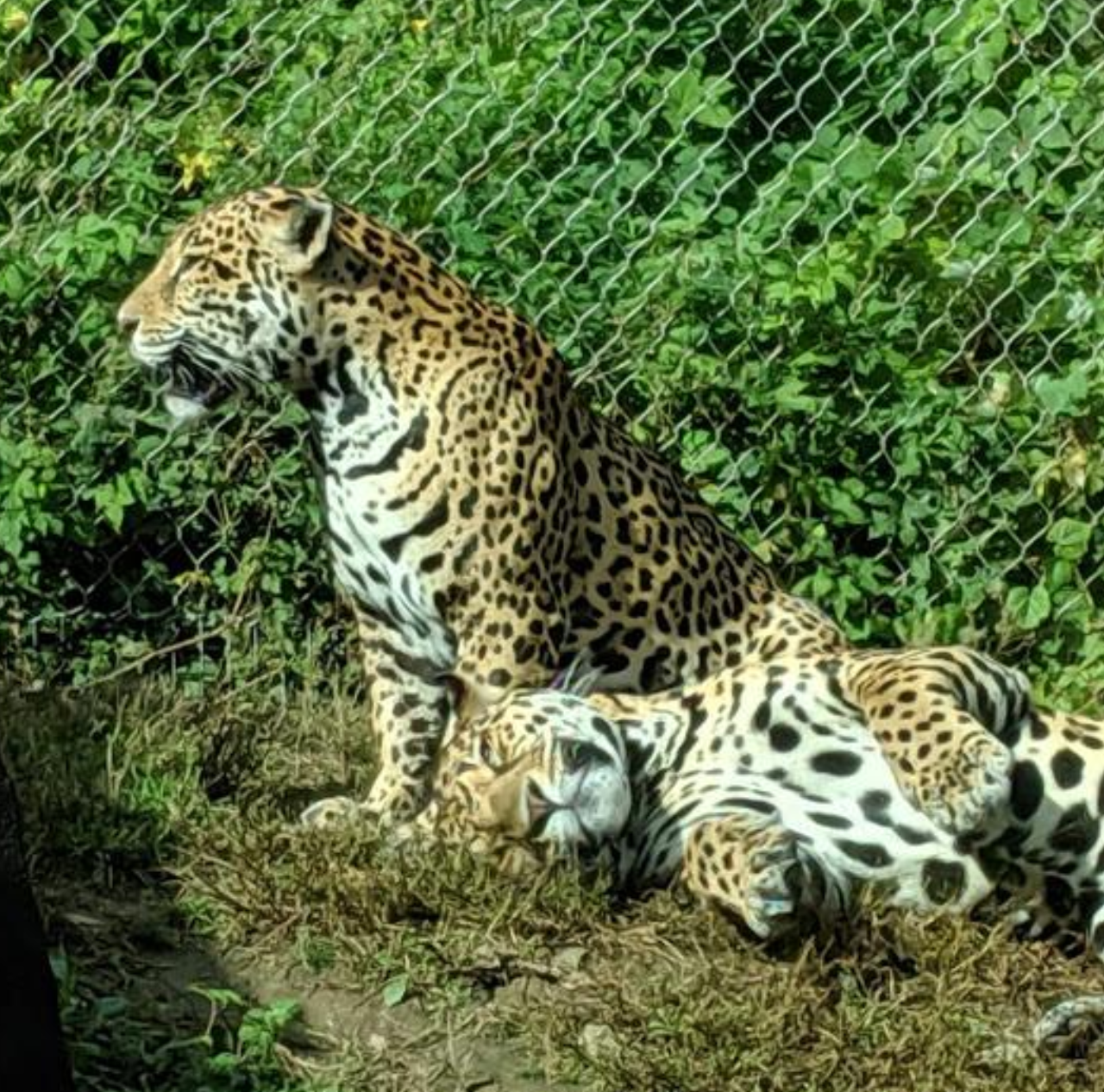
This is a great story of how a zookeeper’s curiosity and expertise with jaguars helped her think like a professional tracker. Thanks to our friends at WildLabsNet for conducting the interview and...
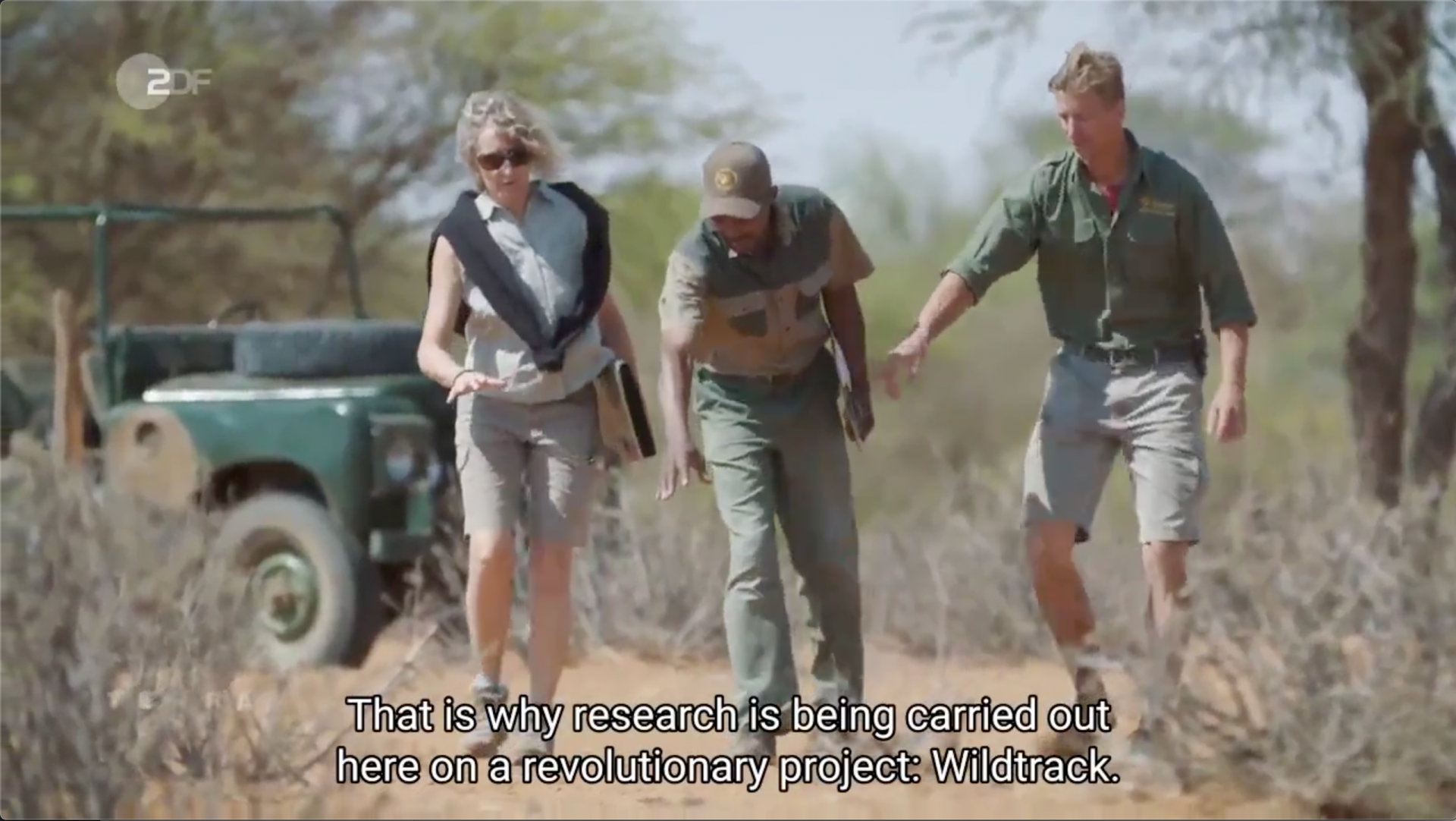
Now you can view WildTrack’s TerraX documentary as a stand-alone sequence with English subtitles (Credit: Alexander Beck, JMP Germany)
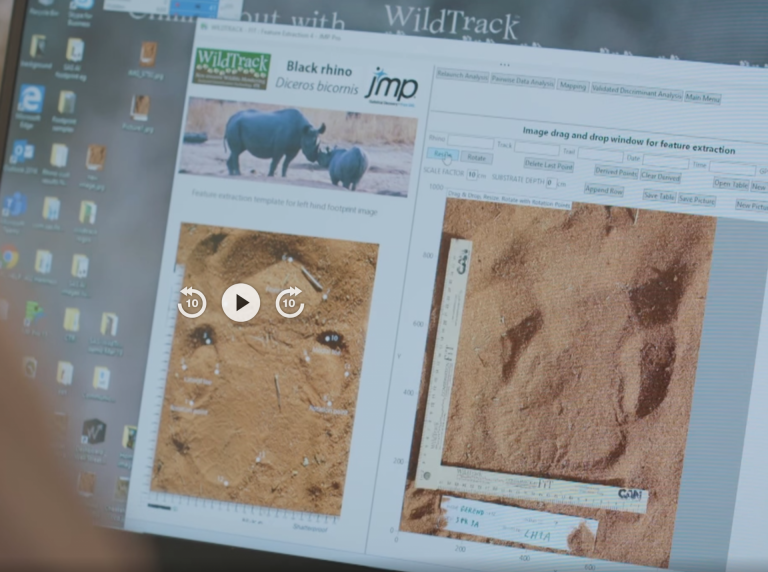
WildTrack’s work in Namibia to monitor and protect black rhino, in partnership with Kuzikus Wildlife Reserve, is featured in a new documentary from German documentary film-maker Christopher Gerisch.
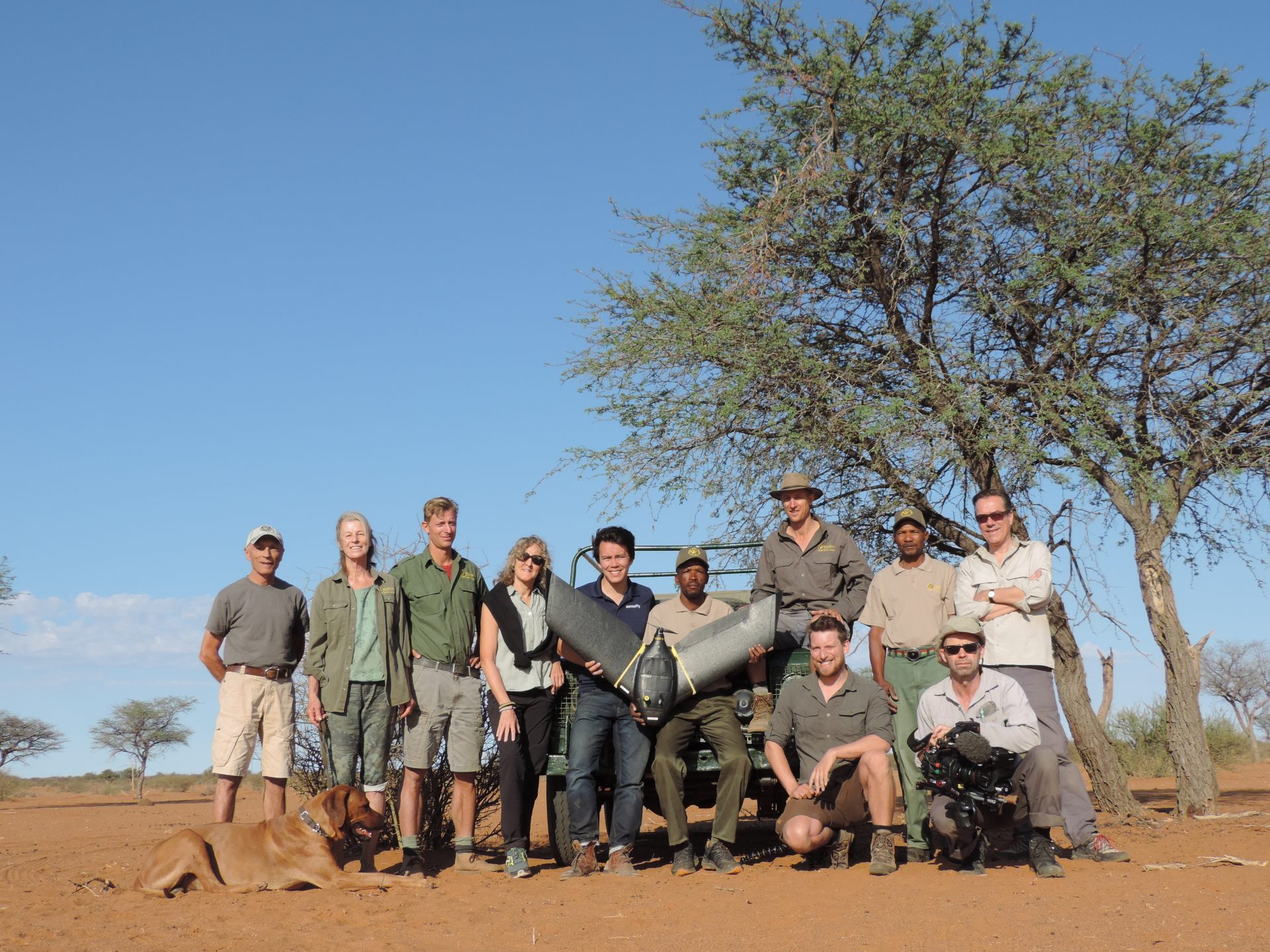
“The AUVSI XCELLENCE Awards celebrate the achievements of individuals and organizations who have applied unmanned systems technology to create solutions to address a range of challenges affecting...
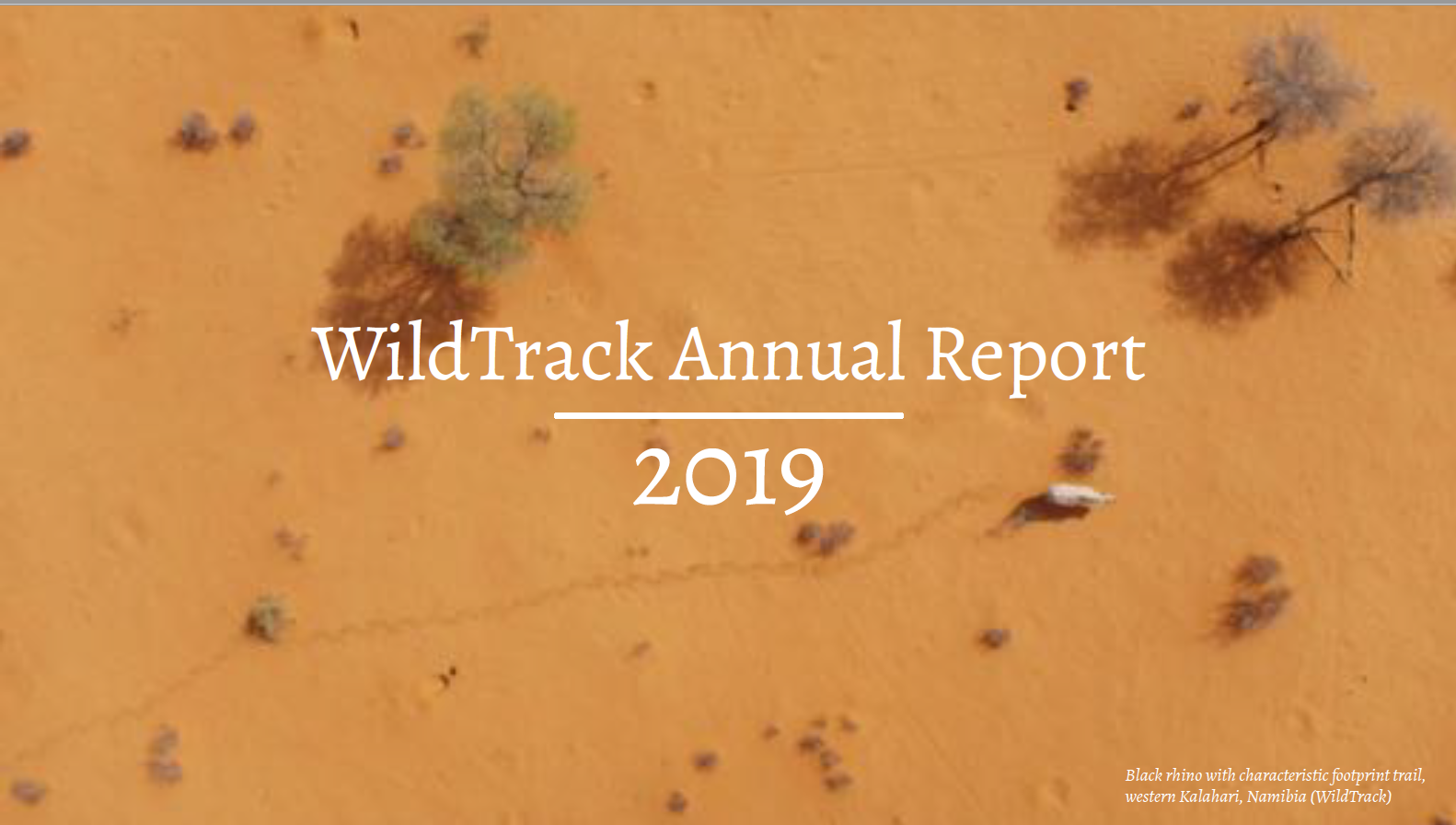
We’re happy to share our 2019 WildTrack Annual Report, detailing our work throughout 2019. We always welcome feedback, thoughts, suggestions and new ideas so please read it and tell us what you like,...
Building a strong user network is key to the success of any new technology. WildTrack’s Footprint Identification Technology is being used across five continents, but it hasn’t always been easy for...
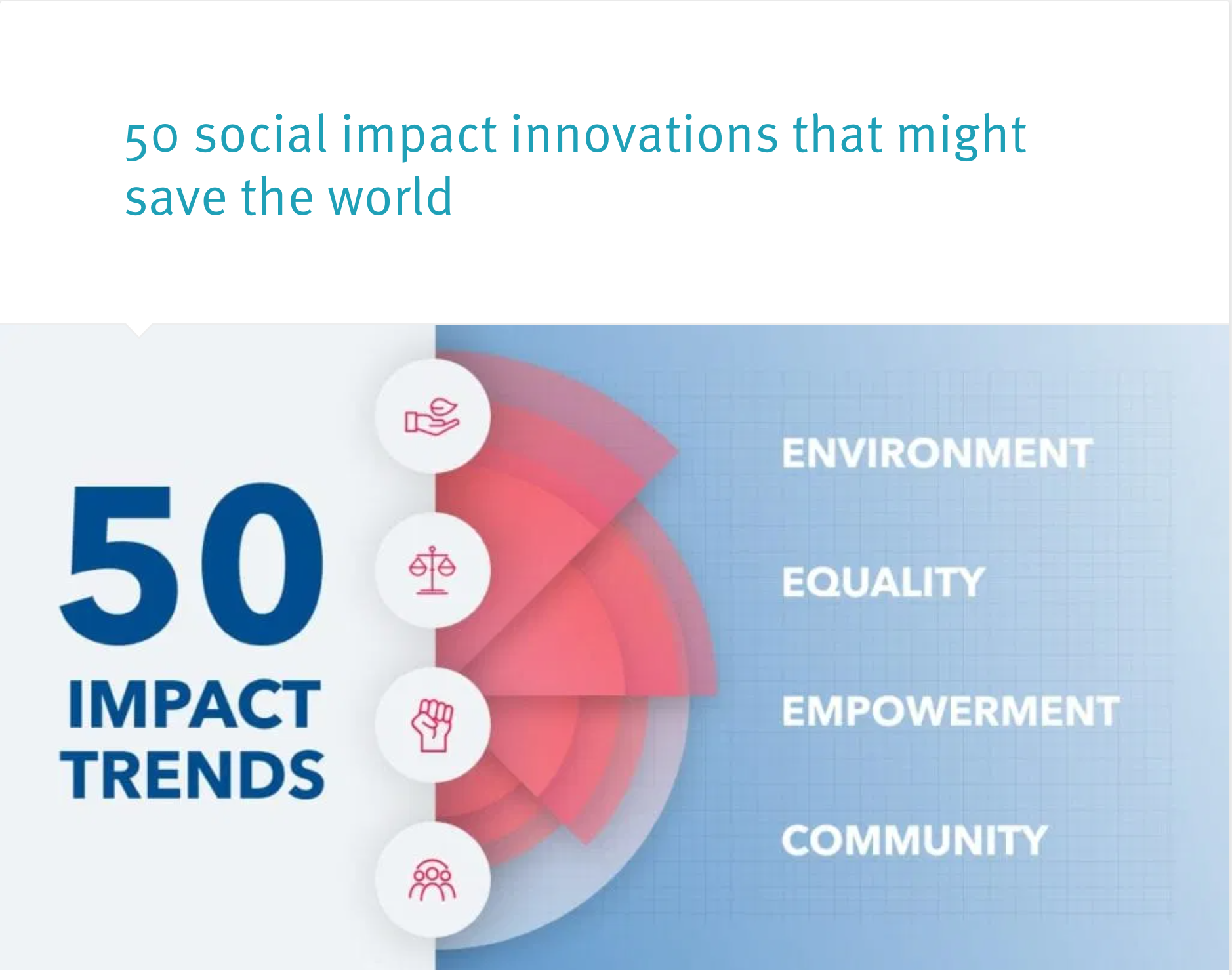
Honoured to be on this list, and proud to recognize our partners at JMP software, senseFly, the US Army Research Office, and BerkeleyISchool for the invaluable contributions they make to our work.
Neoichnology. The science of footprints. Footprints for wildlife conservation.
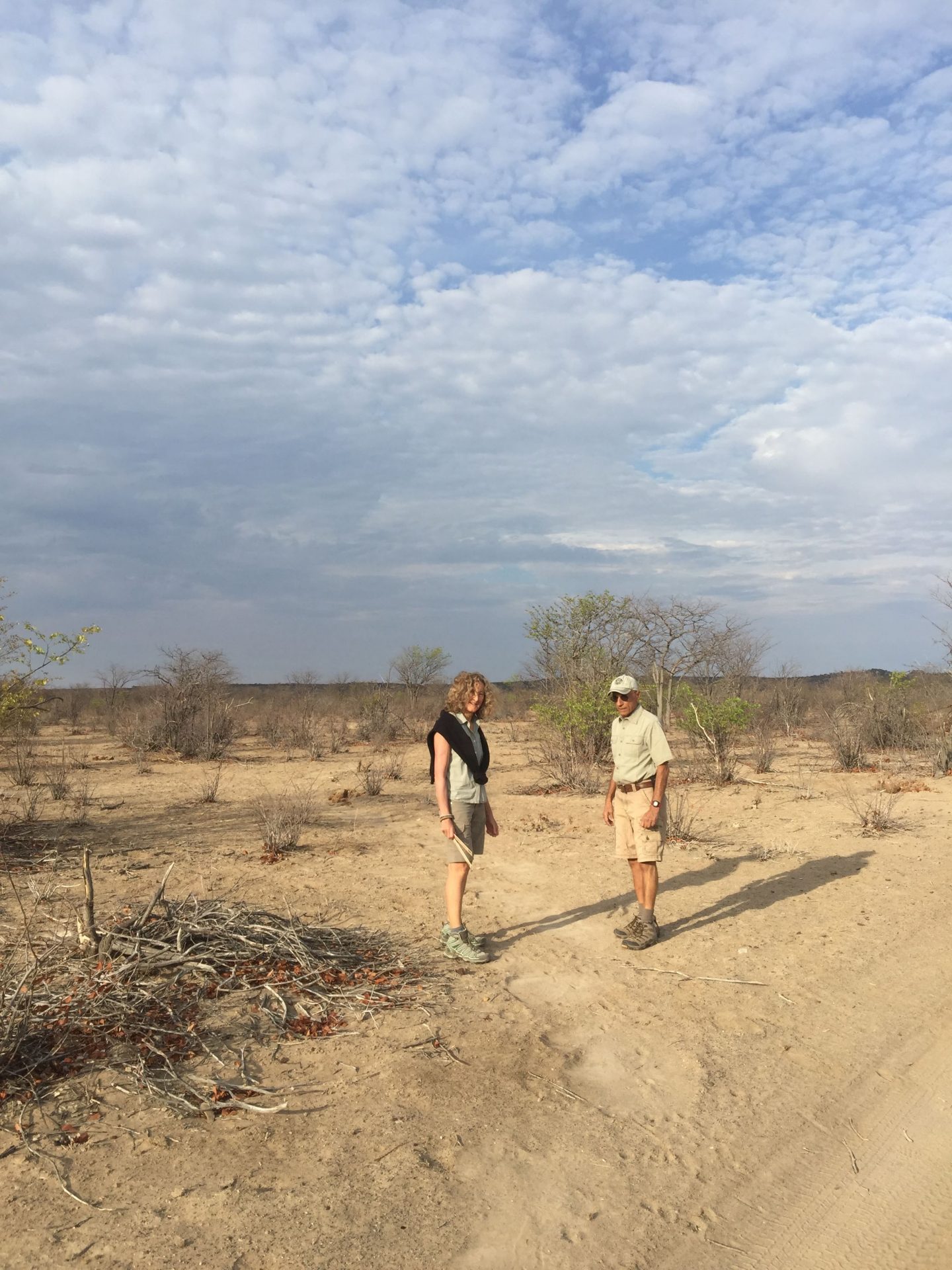
What led two rhino conservationists working in a remote area of Africa to discover a better way of keeping track of rhino? The answer is JMP software. We had some novel ideas, and JMP allowed us to...
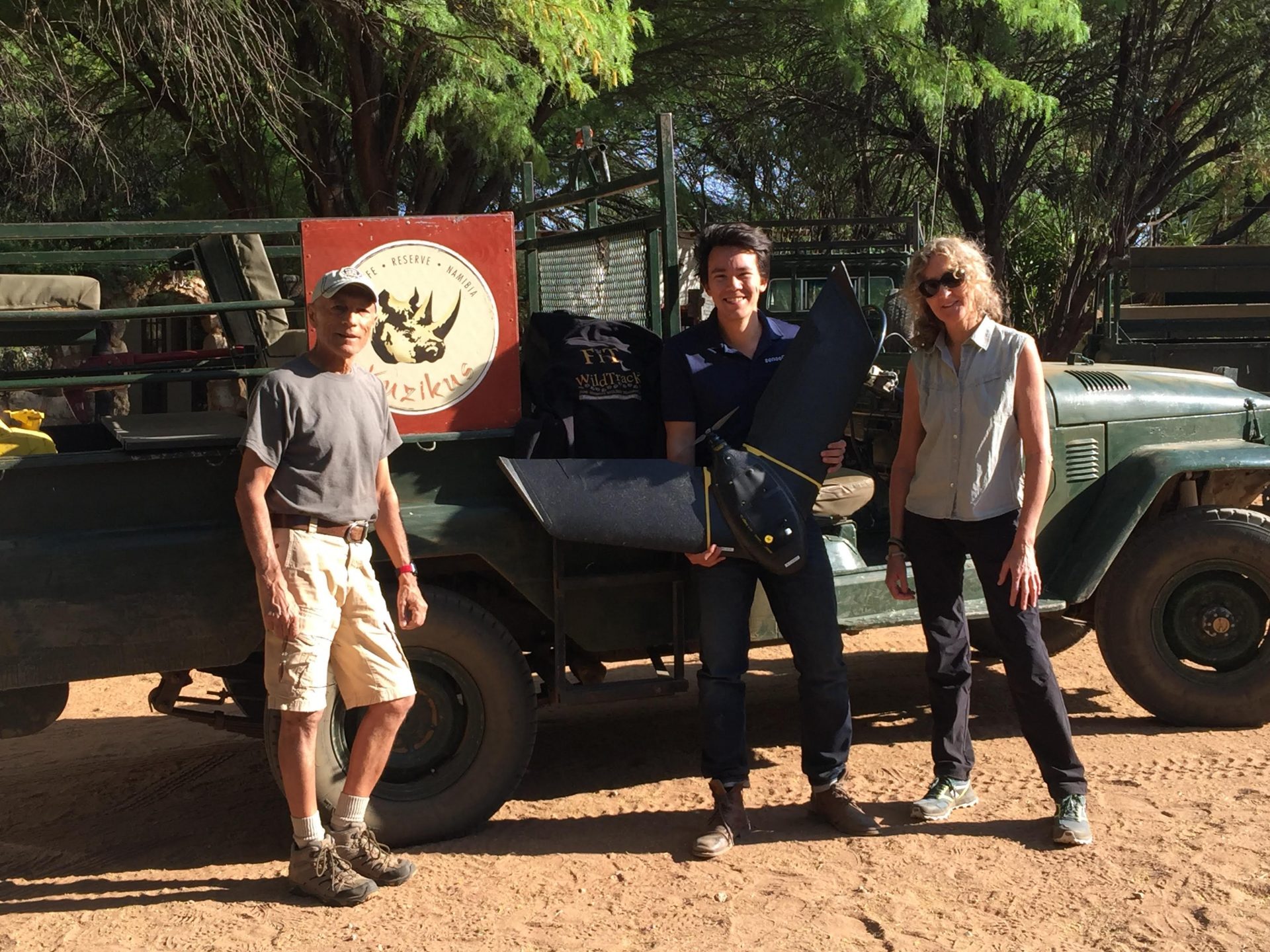
Can senseFly’s eBee X help us monitor rhino and other wildlife in Africa? We’re here in Namibia trialing this awesome drone using many different parameters and on-board sensors. We’re super grateful...
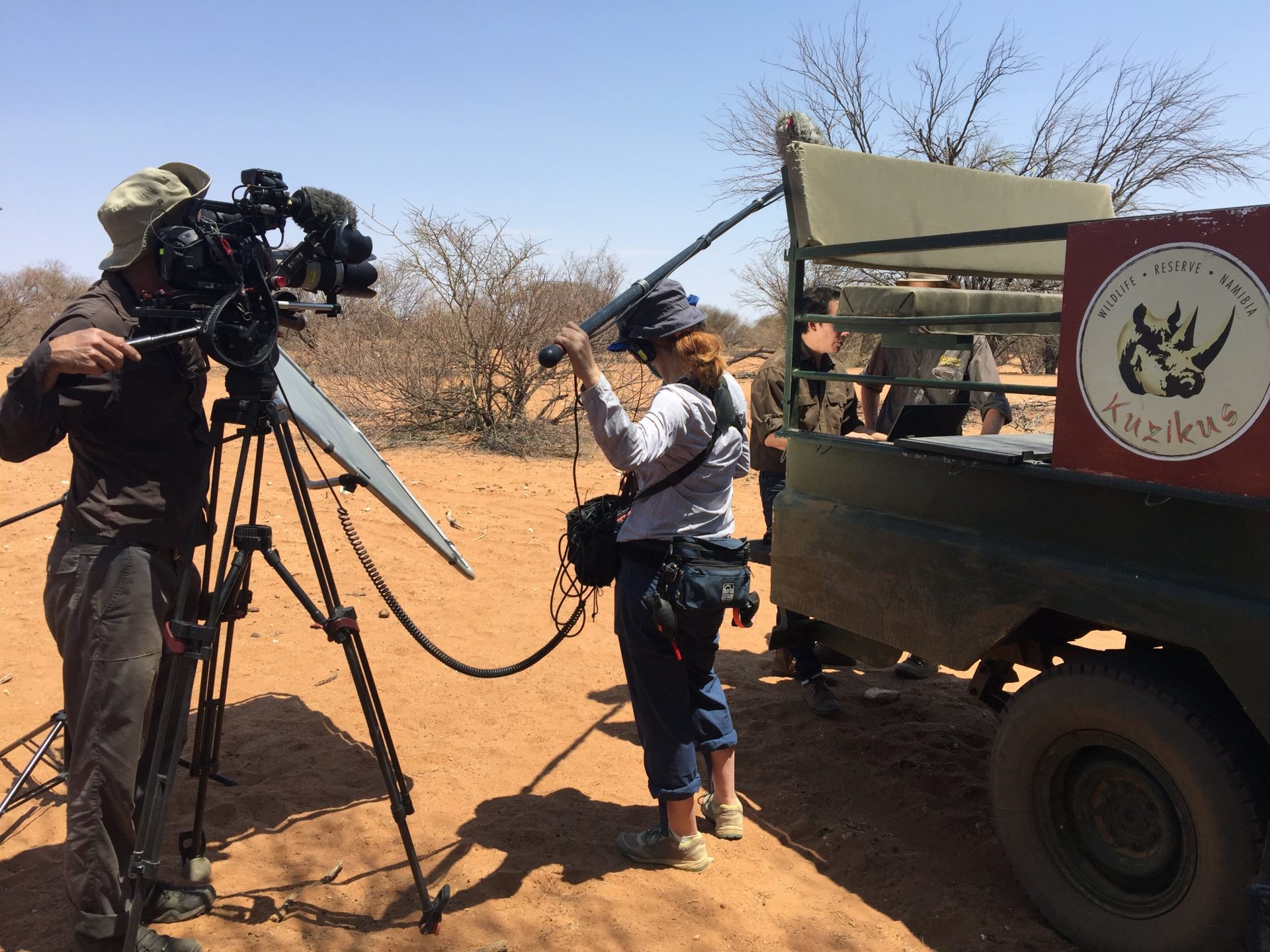
The WildTrack team is in Namibia filming two techniques for monitoring black rhino; FIT in JMP software to identify individuals, and using senseFly eBee X fixed-wing aircraft to survey landscapes for...
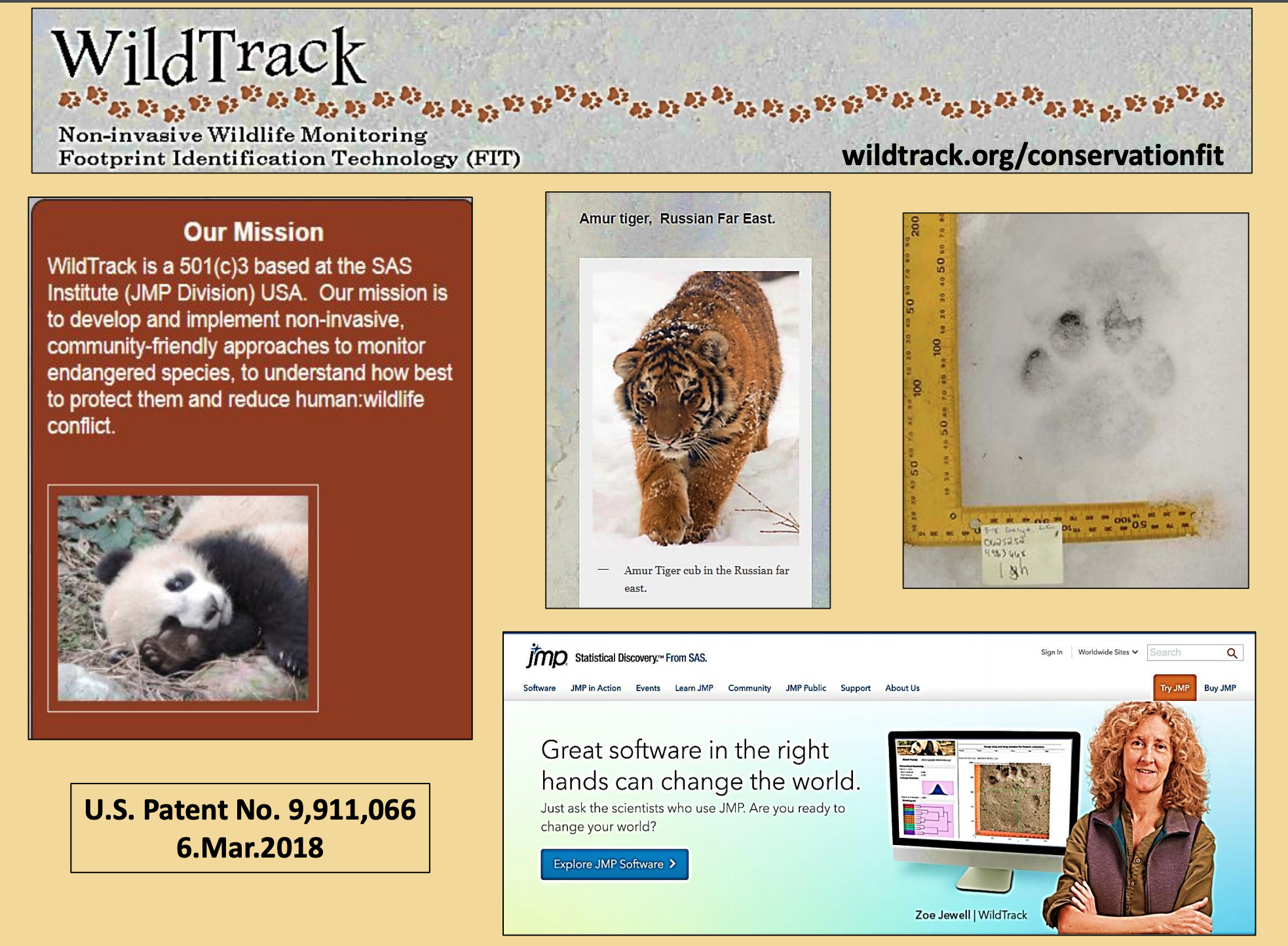
This CFIT presentation was given to the Conservation Technology session at the September 2019 AZA Annual Meeting in New Orleans.
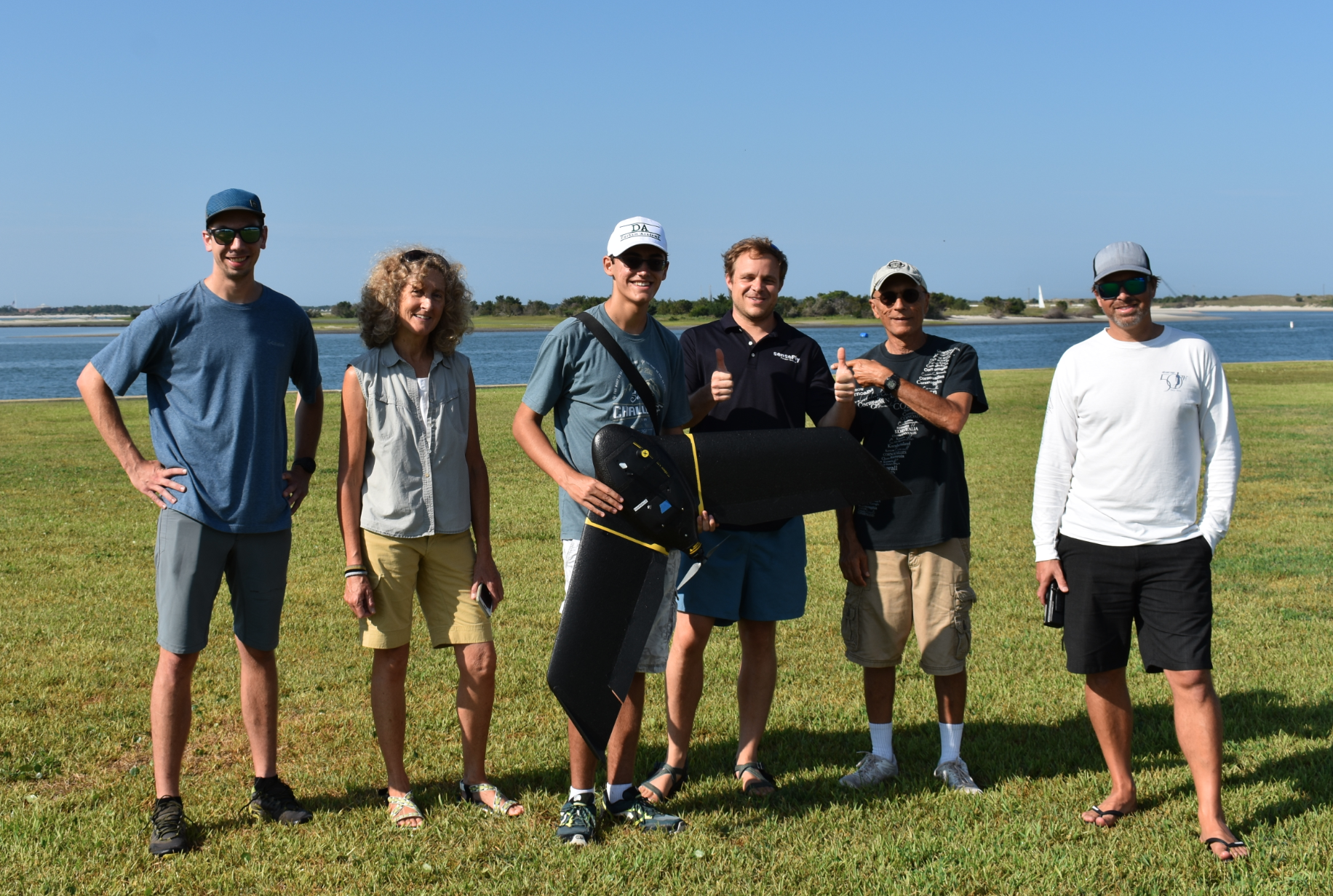
WildTrack is partnering with the US leading fixed-wing drone manufacturer senseFly to explore the use of their excellent integrated drone mapping systems for wildlife monitoring.
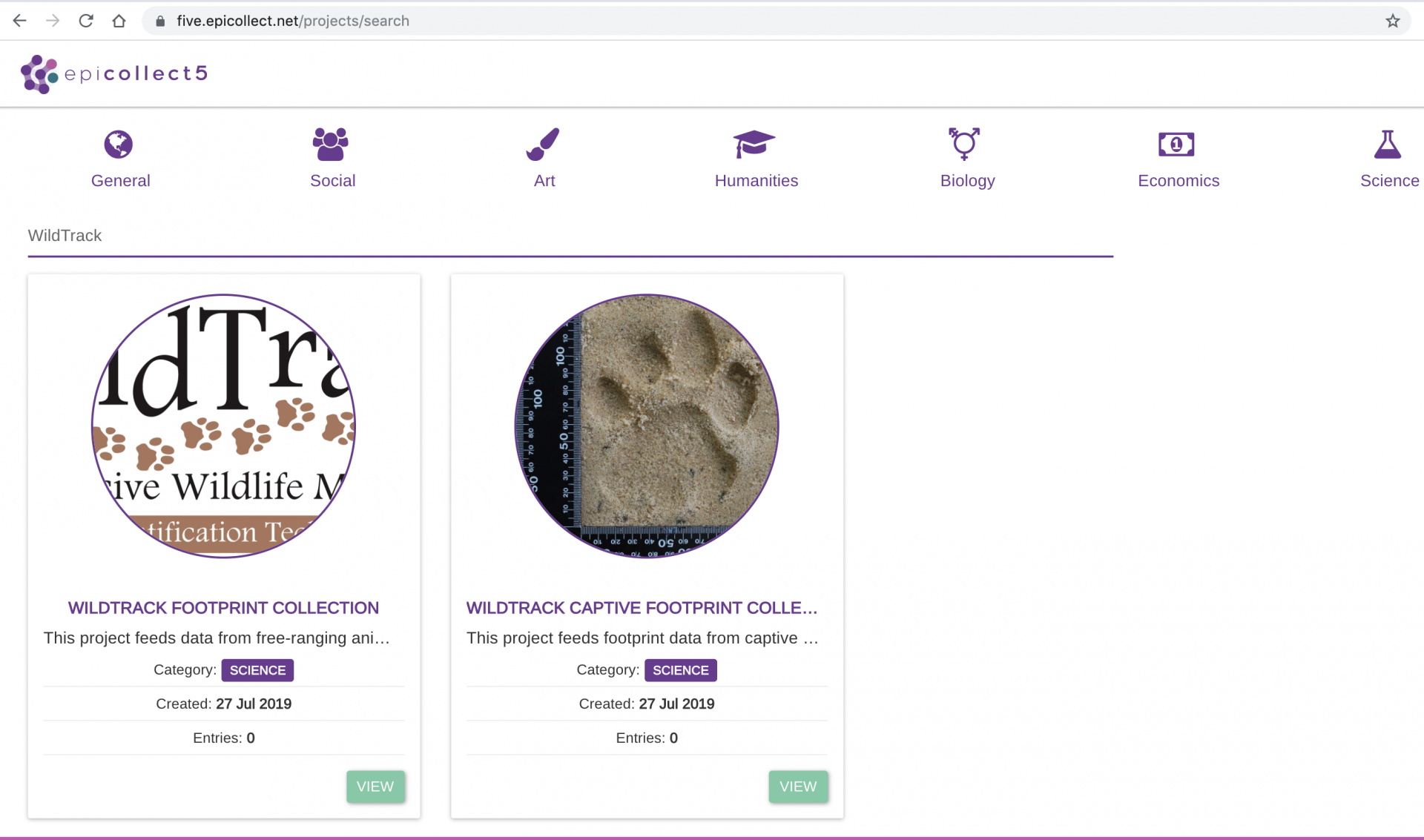
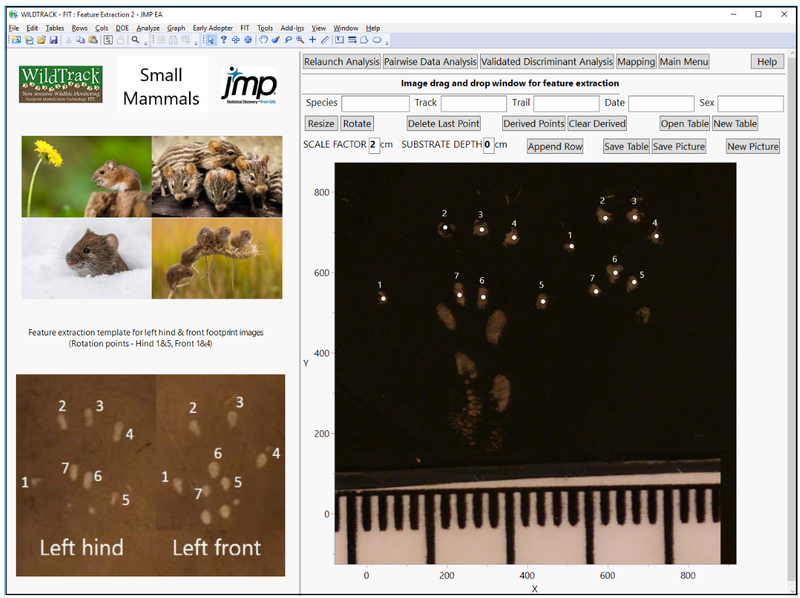
Over the summer we’ve been trialing more efficient ways of collecting footprint images, making it easy for citizen scientists to participate in our work. We knew we needed a mobile app for this task,...
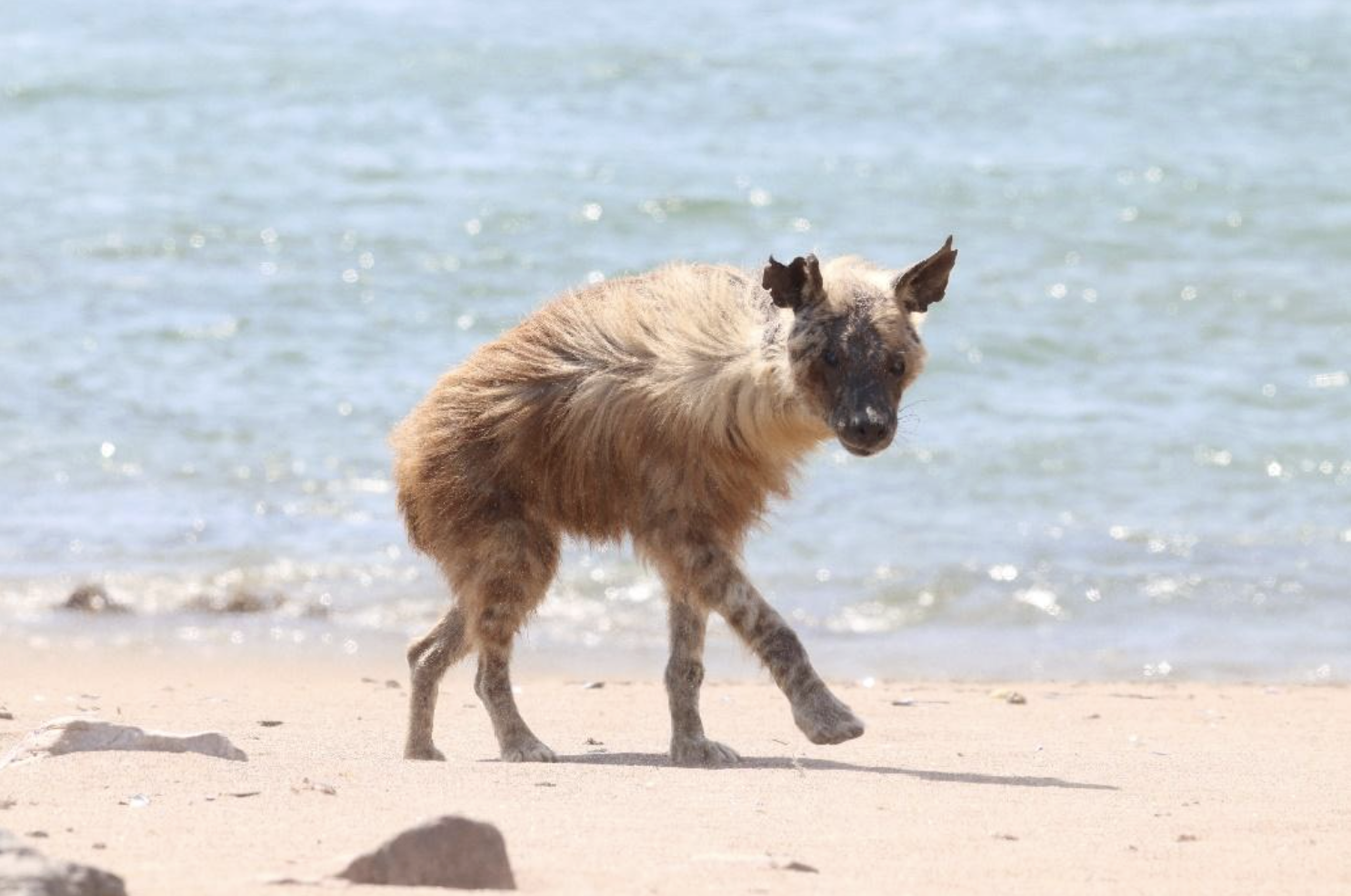
Beach and sand make forgiving substrates for tracks — and on this remote shipwreck coast, brown hyenas are the only large carnivore leaving them.
WildTrack's new Faunalytics feature makes the case for footprints as a kinder, more scalable way to monitor wildlife.
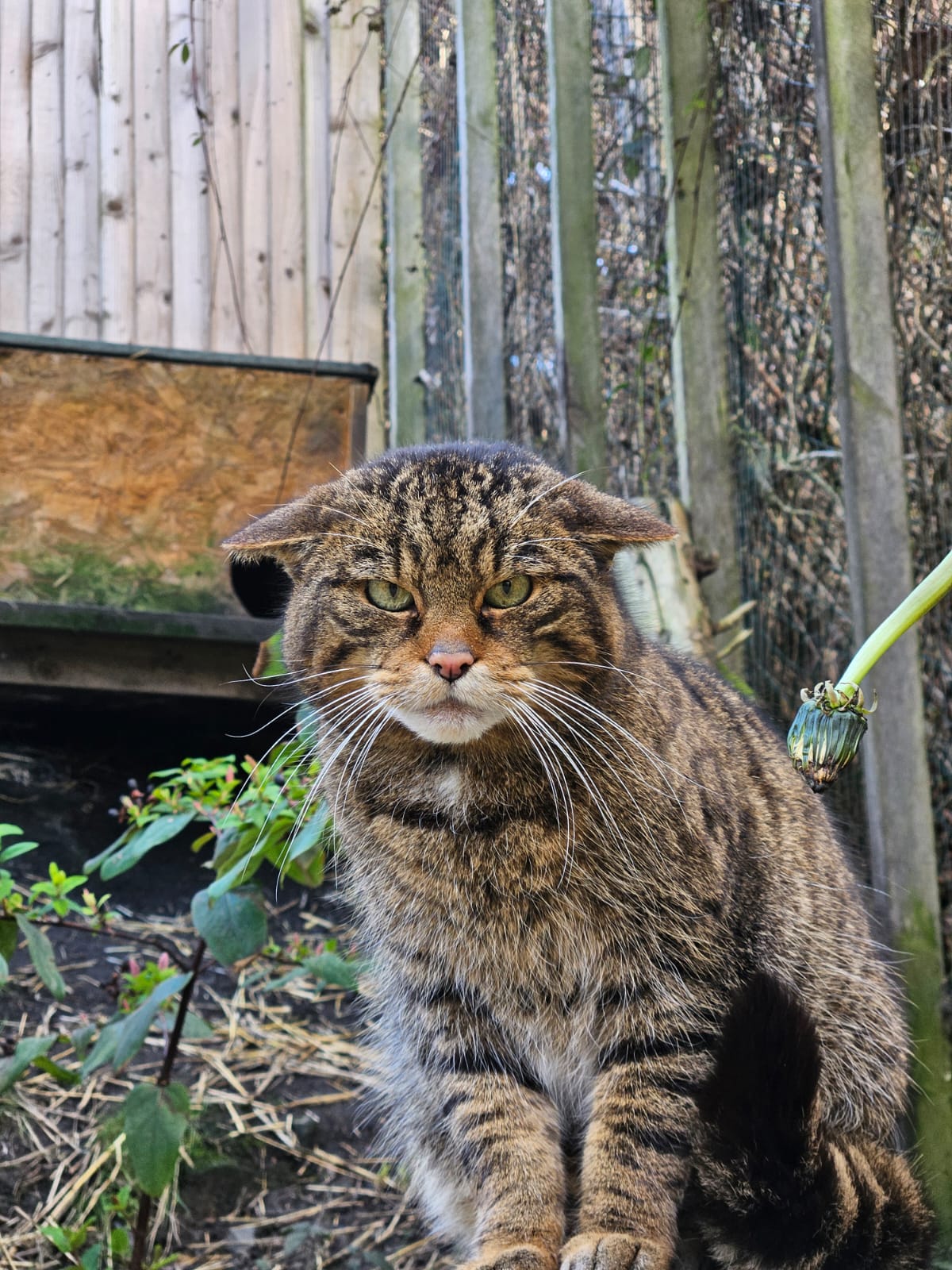
Zoos and sanctuaries can help build our database — a guest post from Ponderosa Zoo.
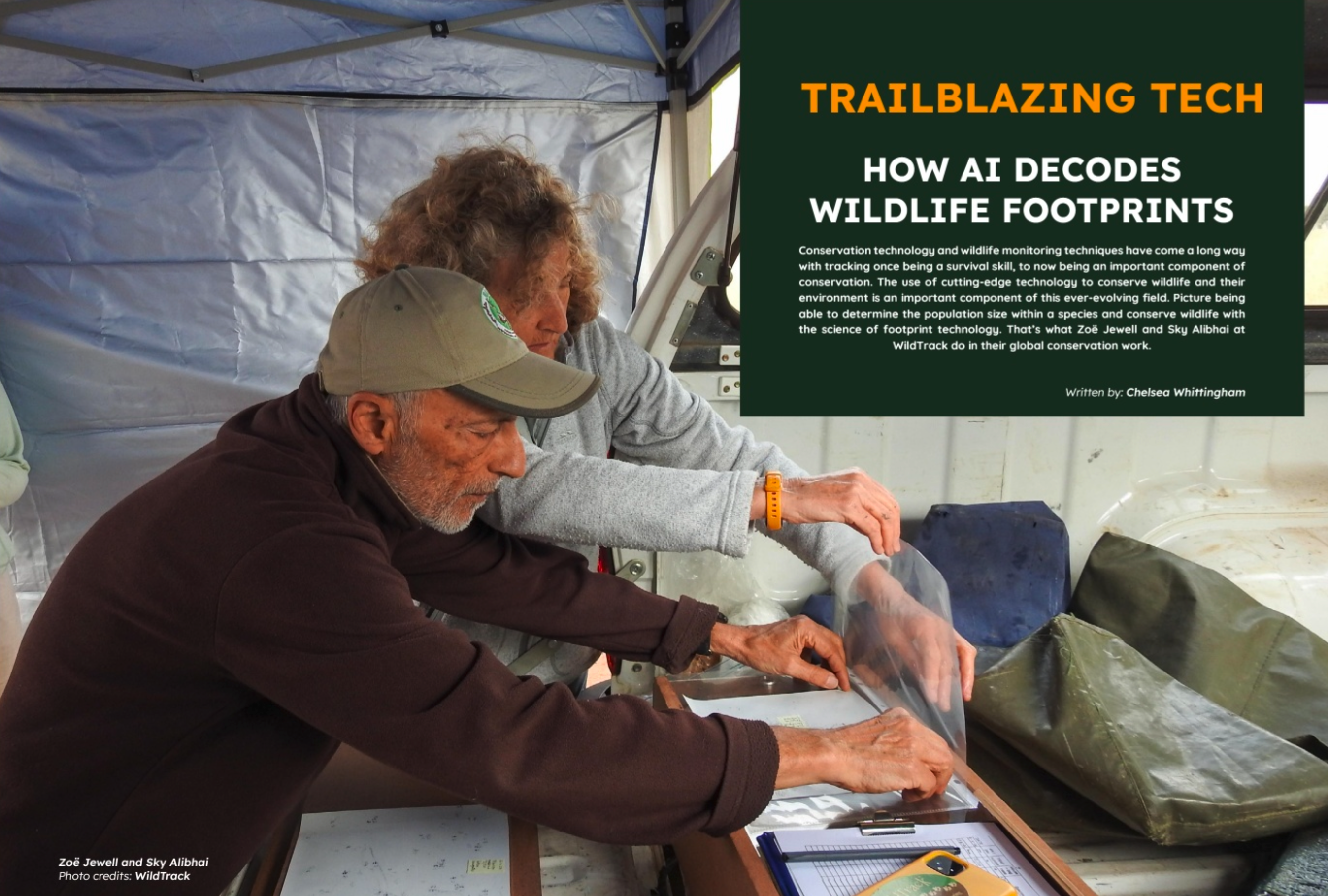
WildTrack's Southern Africa research is featured in the Summer 2024 edition of Ubuntu Magazine.
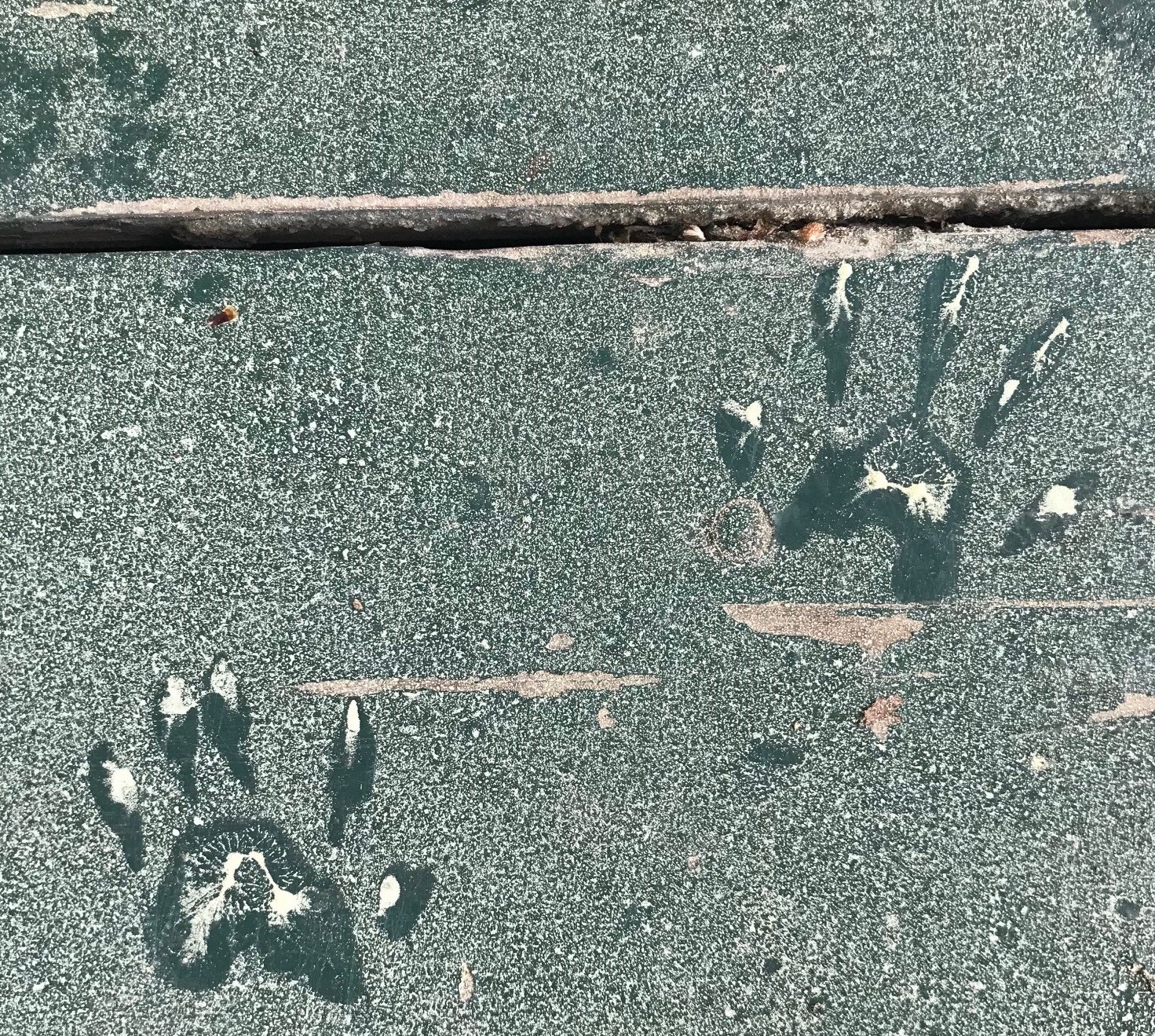
WildTrack has recorded prints in almost every kind of substrate you can imagine - sand, snow, mud, gravel, charcoal etc) but yesterday we received something completely new! Every year in North...
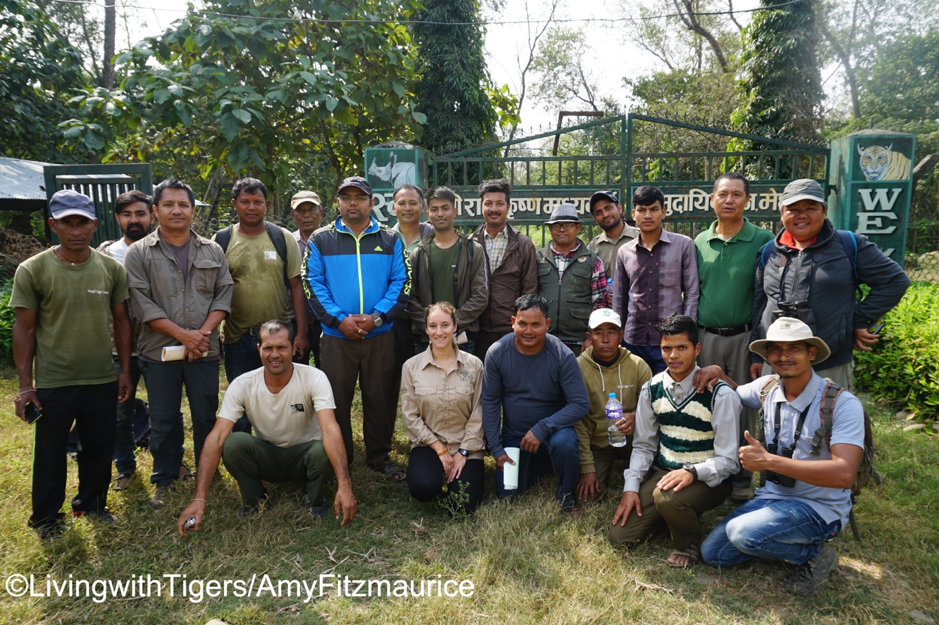
Living with Tigers Project lead researcher Amy Fitzmaurice ran a successful training workshop for Nepal Tiger Trust (NTT) on WildTrack’s Footprint Identification Technique (FIT).
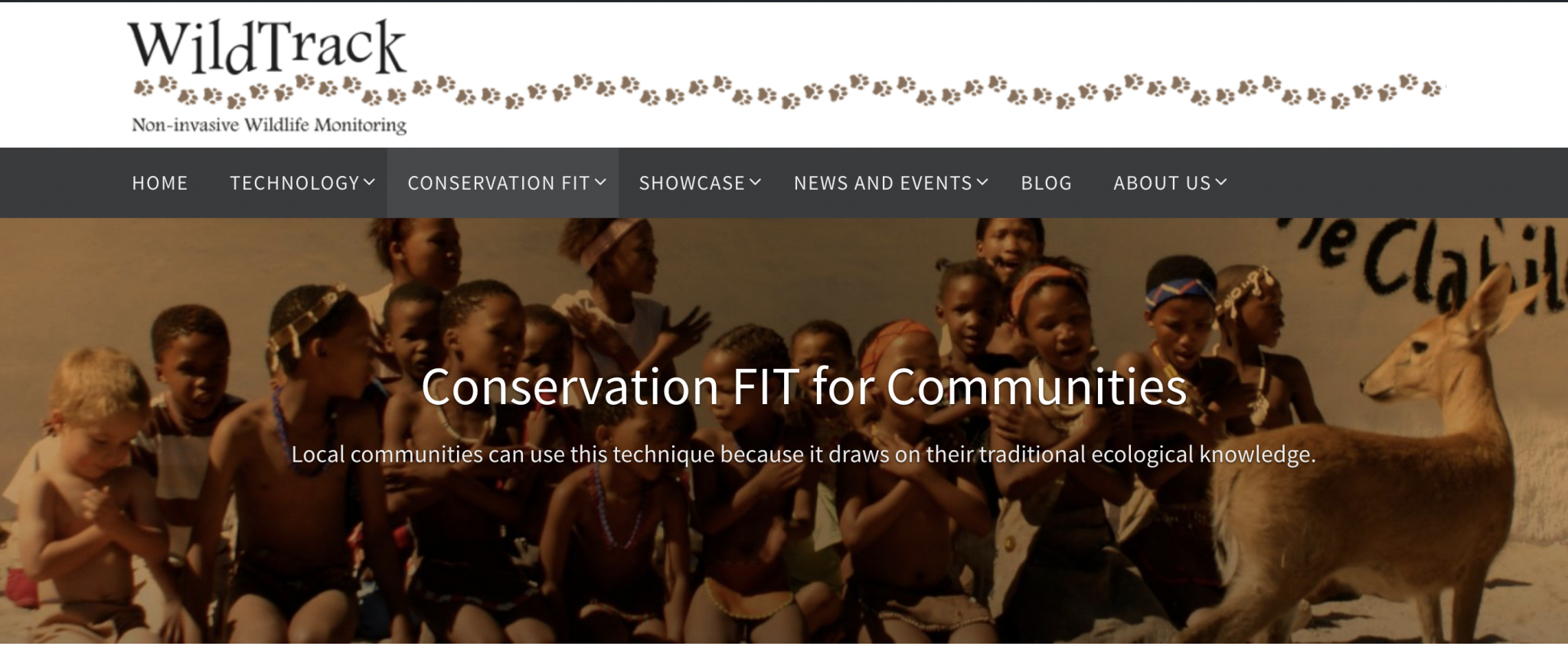
Check out our new WildTrack website! We showcase our academic and research work and bring our citizen science portal, ConservationFIT on board to streamline our mission.
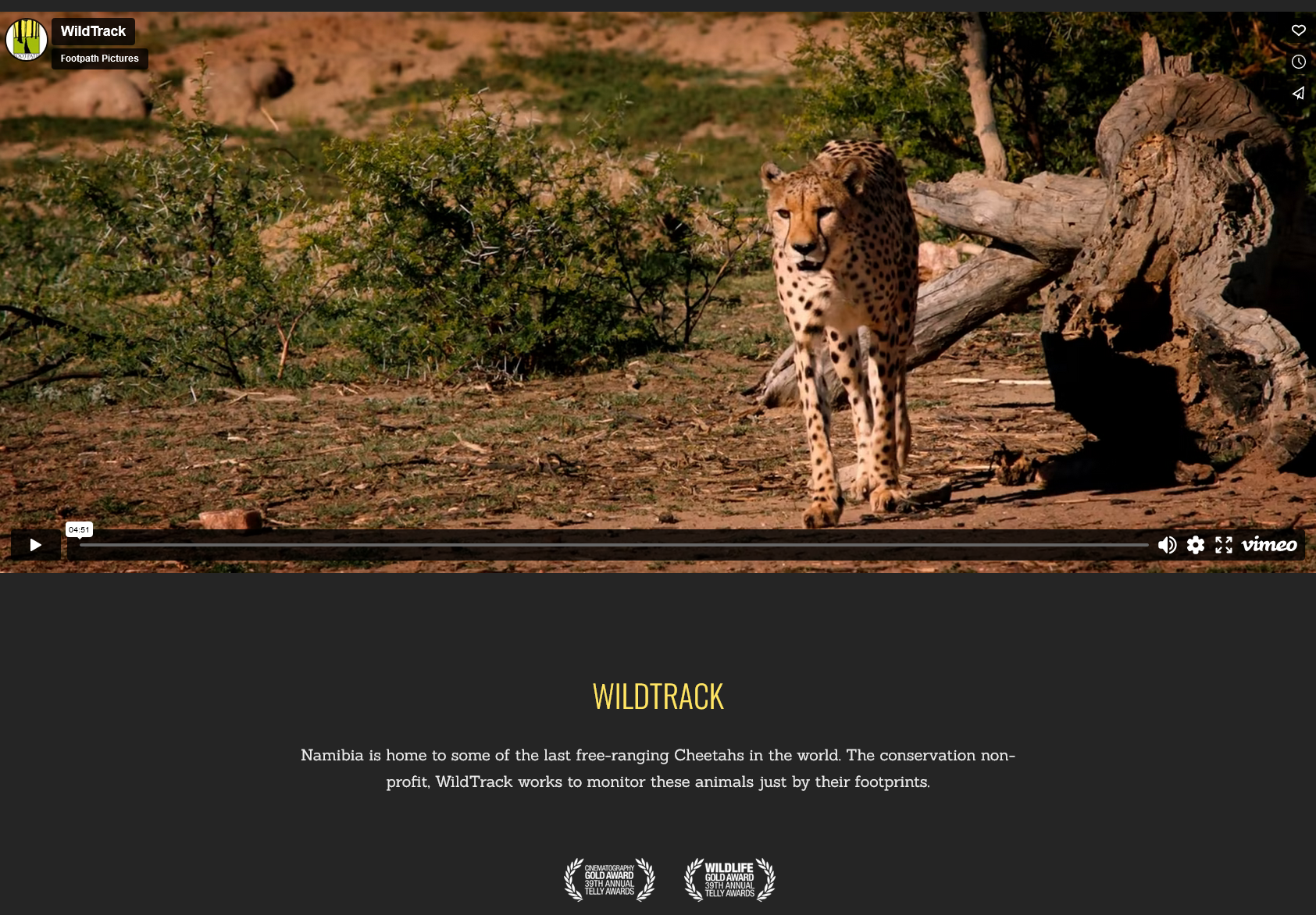
WildTrack’s work in Namibia, documented on location by film-makers Ray and Susan Ellis of Footpath pictures , has just been honoured with two Emmy awards!
Celebrate with WildTrack as we earn our first GuideStar Platinum status!
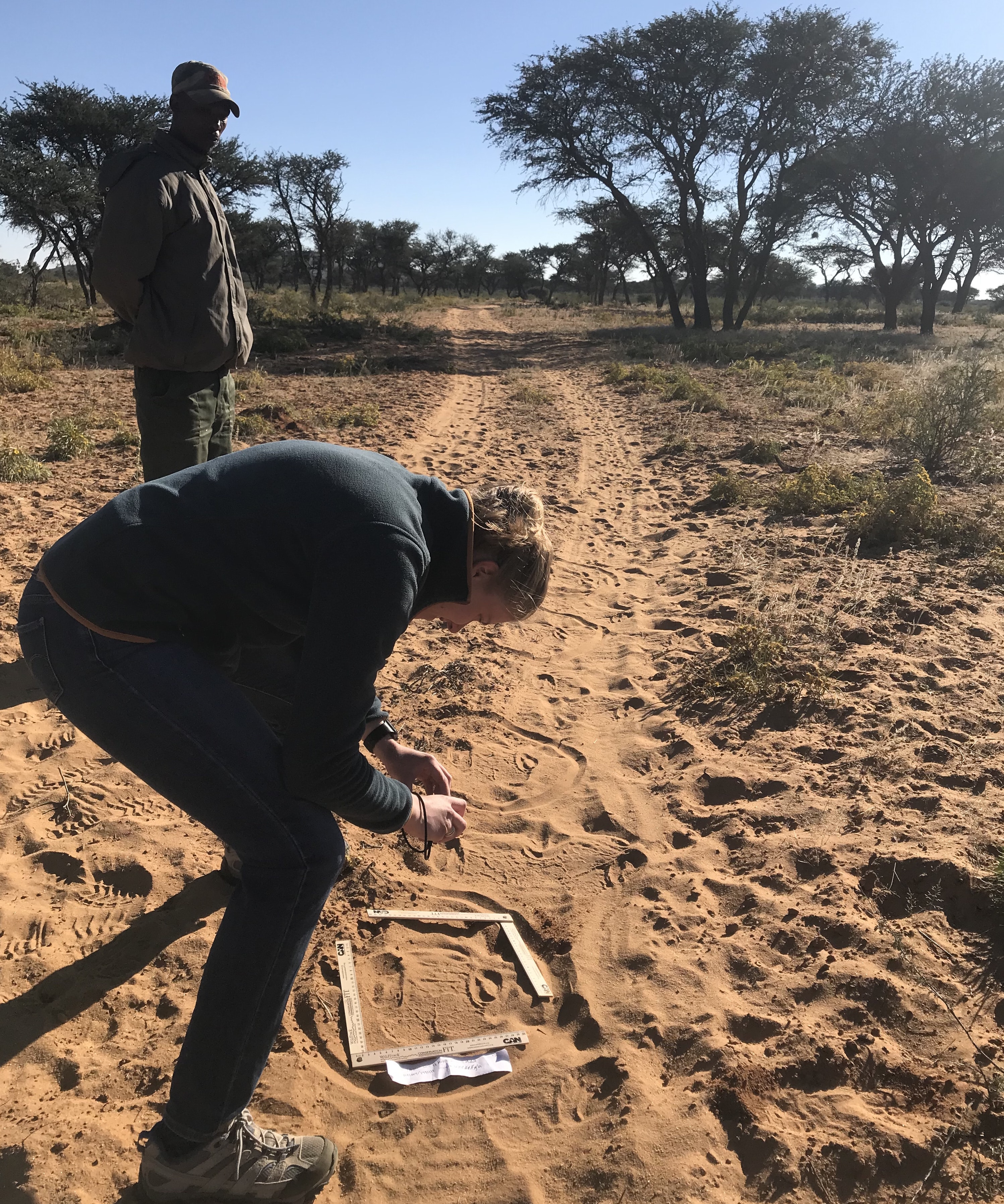
By Katrina Leser, College of Veterinary Medicine, University of Florida
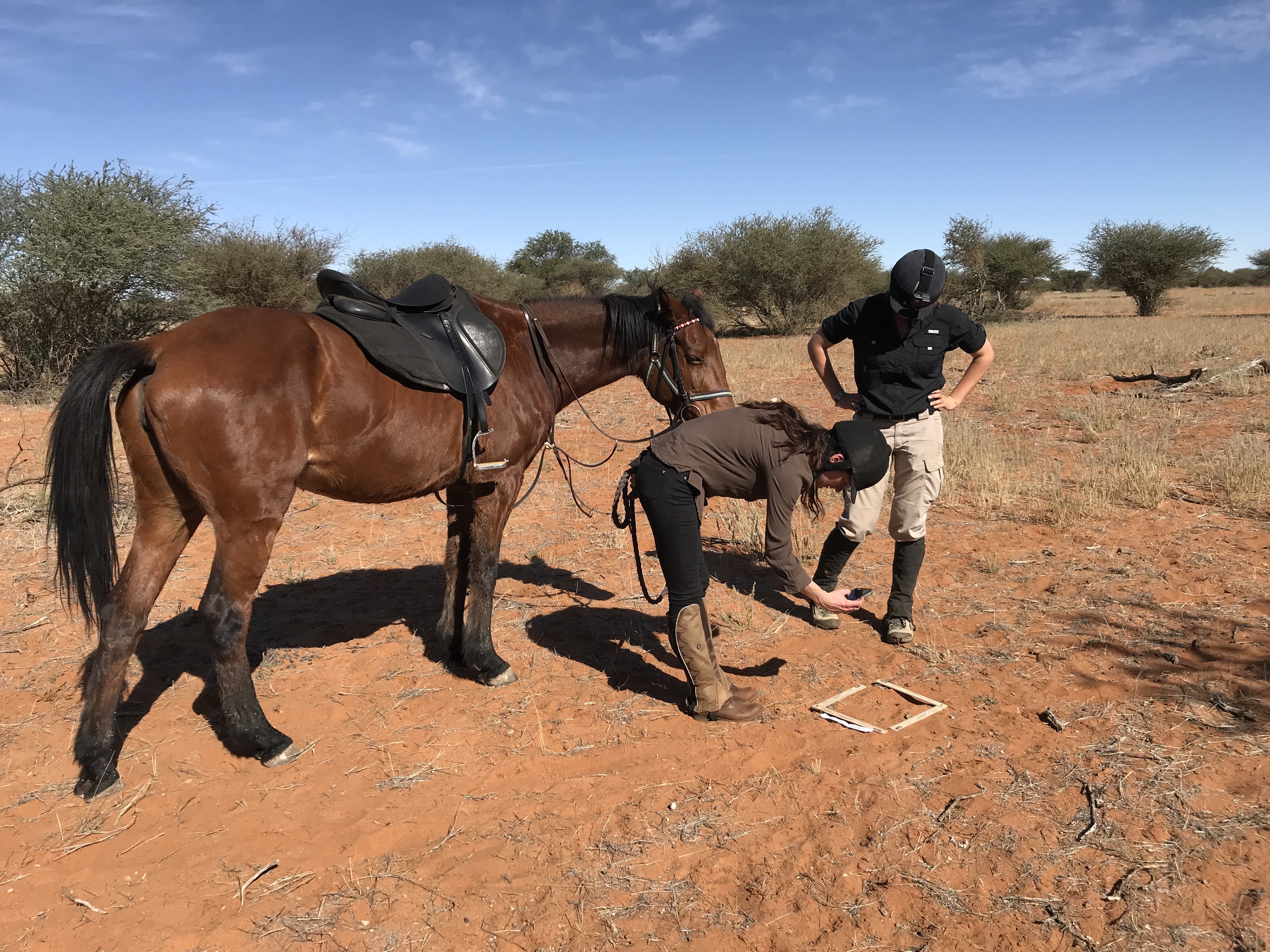
WildTrack teams led by Dr Peter Law in Namibia are monitoring black rhino for the Namibian government. We’re running pilots at three different locations (confidentiality maintained for security)...
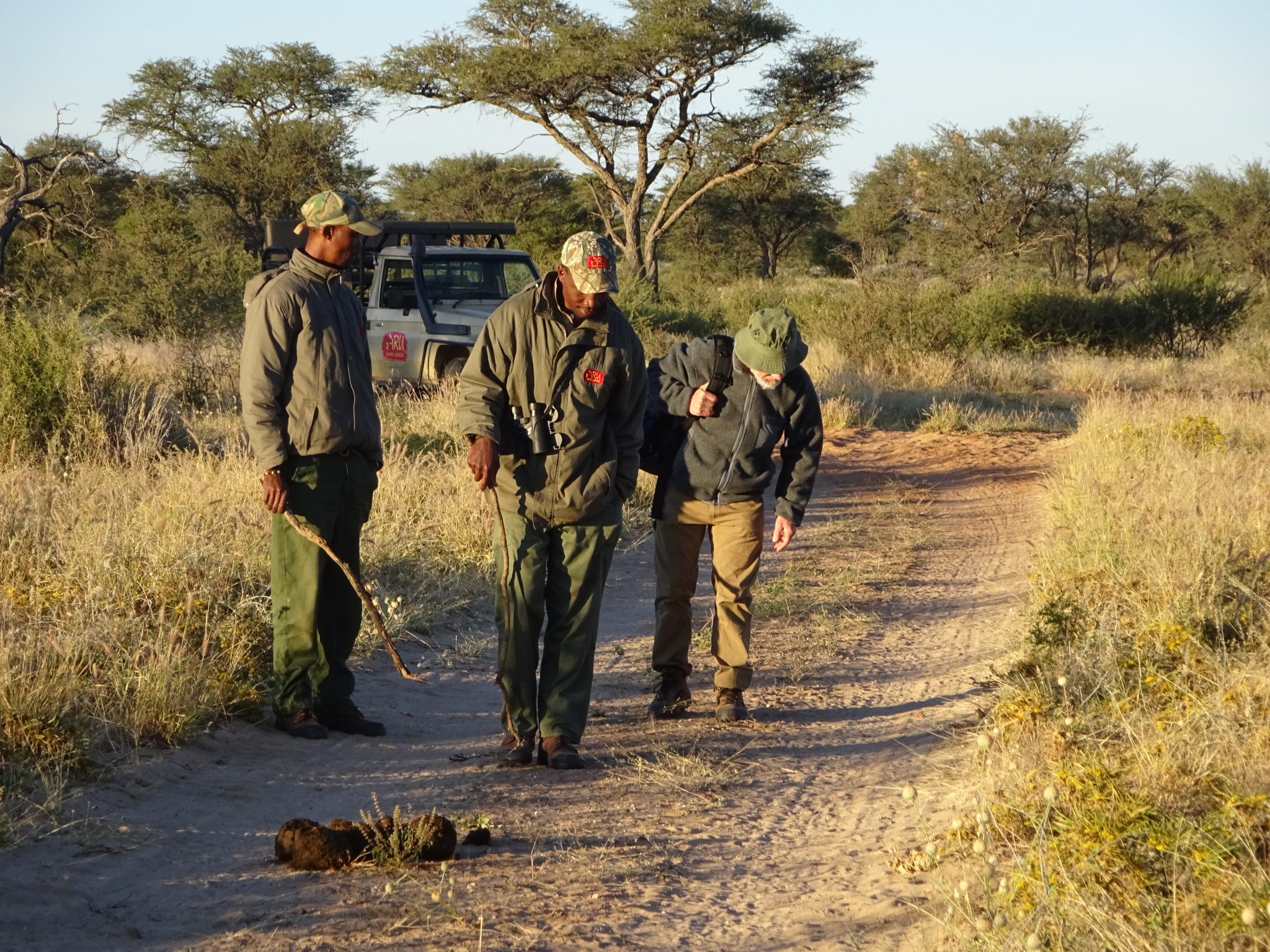
Our team is in the field, at our first site, using a footprints-only protocol to estimate black rhino numbers for landowners and the Namibian Ministry of Environment and Tourism.
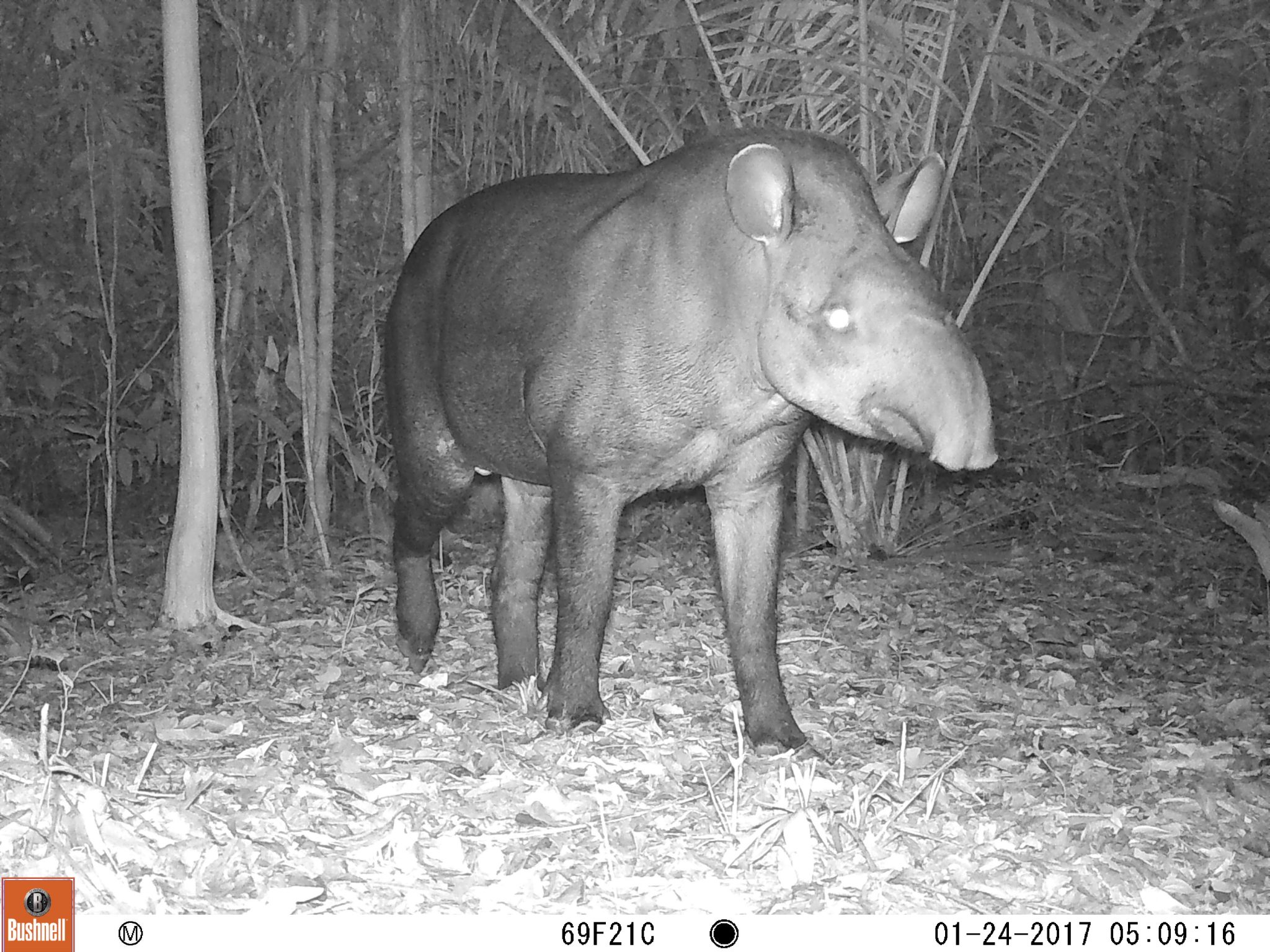
Duke’s Nicholas School of the Environment reports on our paper in Peer J demonstrating that FIT can be used to monitor tapir populations in the Atlantic forest of Brazil, with co-authors Drs Danielle...
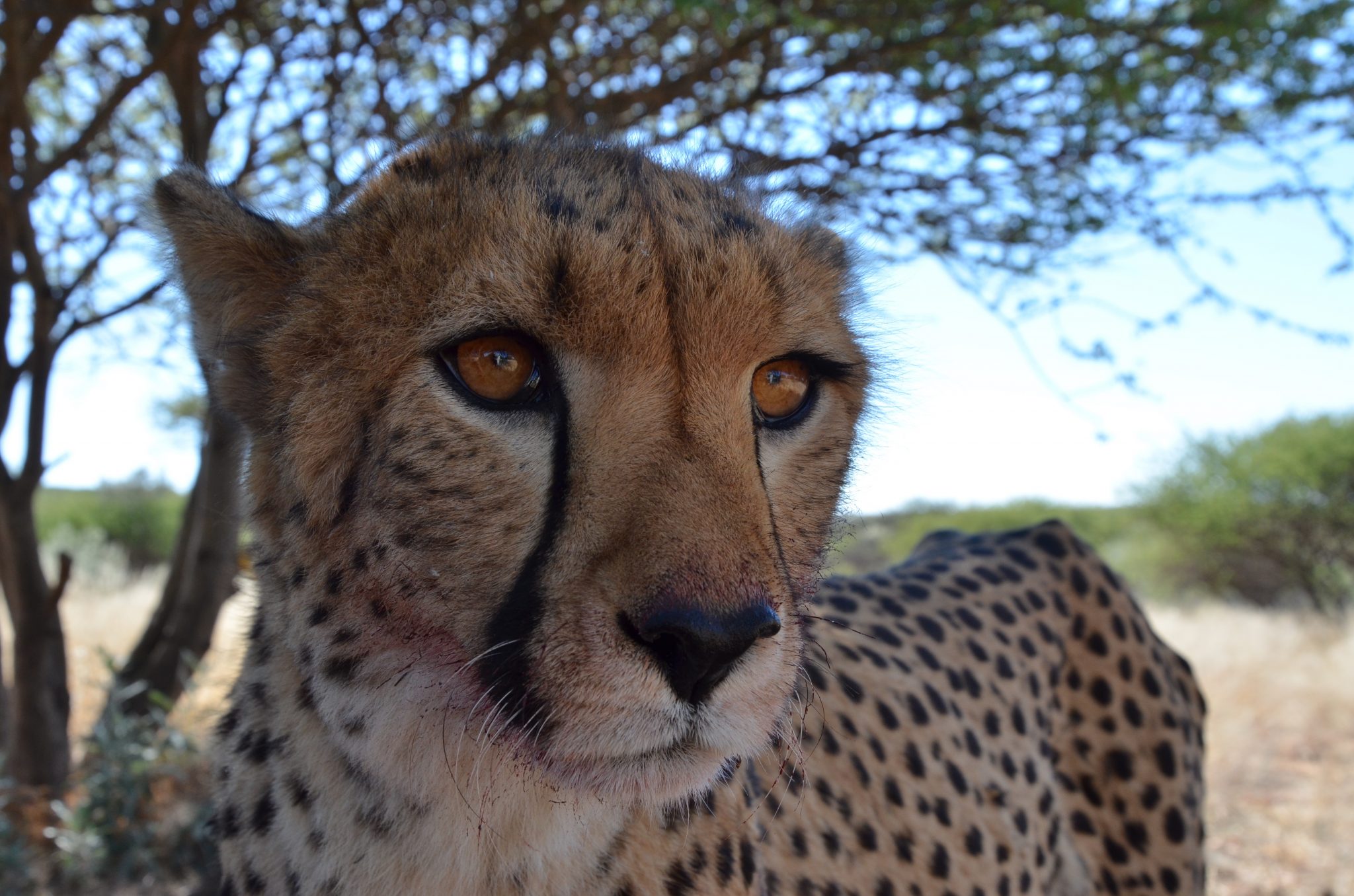
From Karin Schwartz, PhD, Scientific Coordinator for Ex-Situ Partners, ConservationFIT
We recently visited Namibia with Susan and Ray Ellis, founders of Footpath pictures. They produced a beautiful short film that relates how footprints produce biometrics to help us protect endangered...
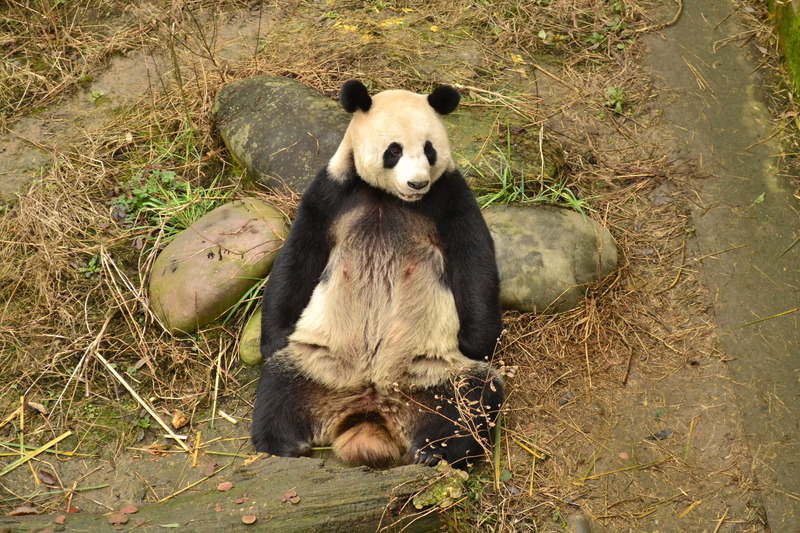
With co-authors from Duke Kunshan University and the Chinese Center for Research and Conservation of the Giant Panda, we report on the use of footprints to monitor Giant panda in China.
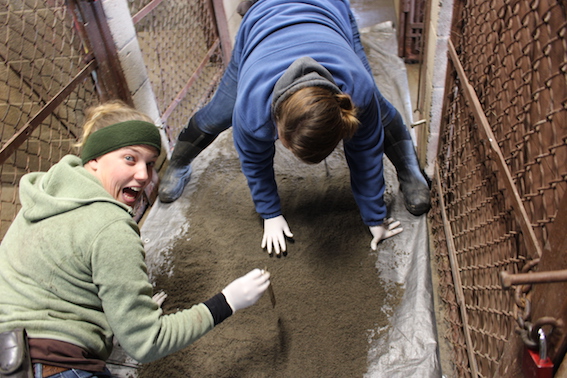
ConservationFIT is partnering with organisations that host ‘ambassador’ animals whose footprints can help us protect their free-ranging cousins. Oregon’s Wildlife Safari is helping us by collecting...
We’ve been collecting data for this paper for the last three years - trudging up vertical slopes in the eastern Himalayas and poring over snowy prints during late nights. The result is this paper...
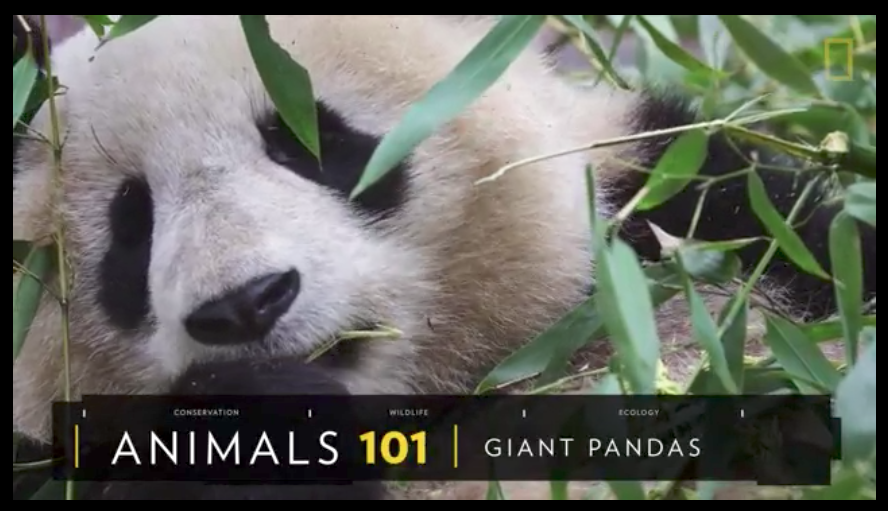
Pandas are bears. Bears are, as we all know, omnivores. They’ll eat whatever comes their way, give or take. Pandas, however, have dedicated themselves to a wholly different diet of just bamboo. I...
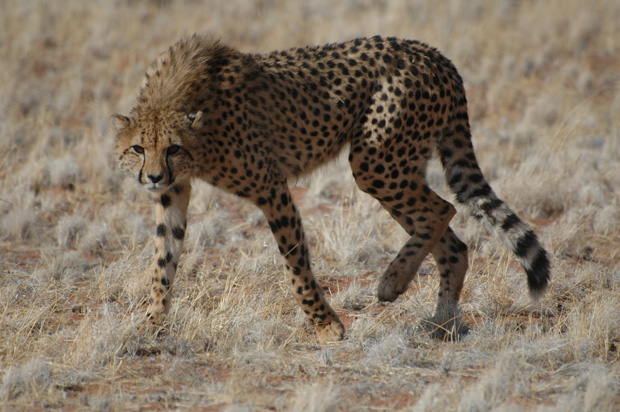
Larissa Slaney, our PhD student at Heriott Watt University, Edinburgh, interviewed for The National Scot on her project to keep cheetah FIT
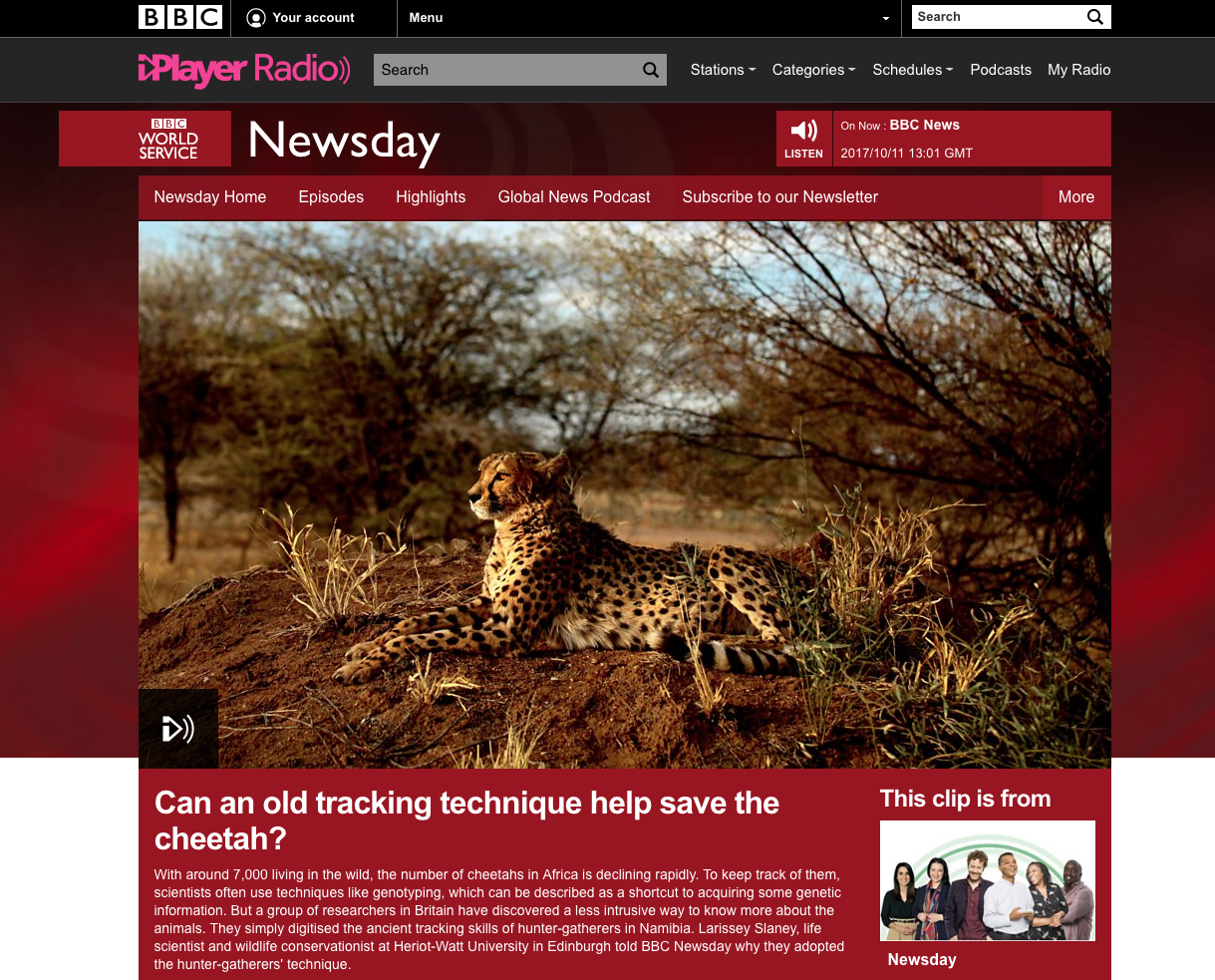
Our PhD student Larissa Slaney, based at Heriot-Watt University in Edinburgh UK, is using FIT to investigate relatedness between cheetah. If the technique can be shown to work it will be many times...
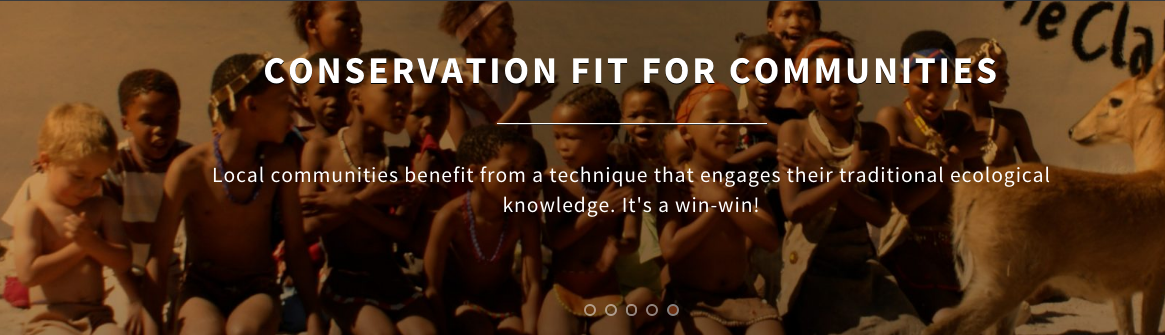
ConservationFIT helping track, preserve endangered species
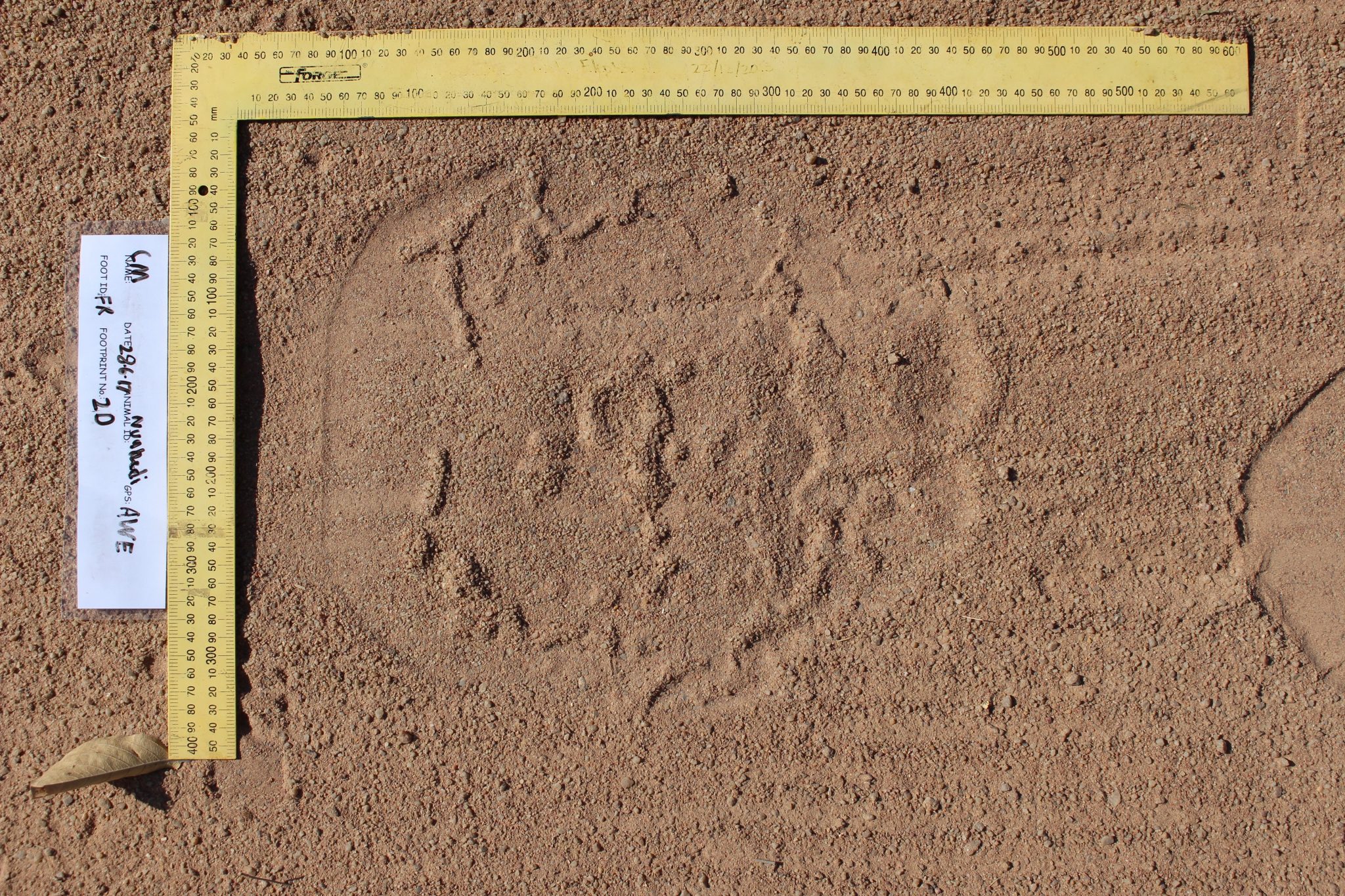
We’re often asked, ‘Which is the most challenging species to ID from footprints?’.
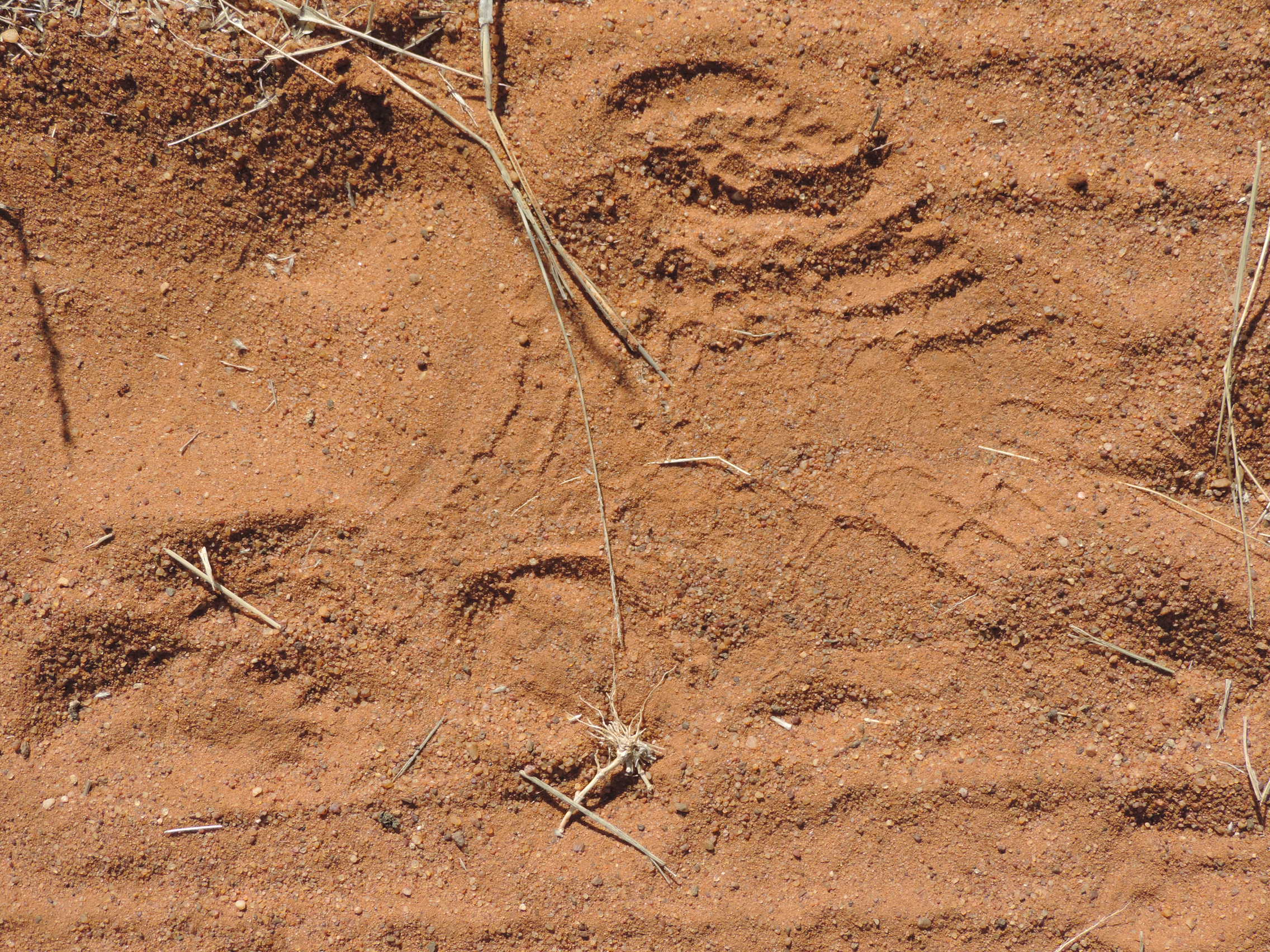
We’re often asked if identifying animals from their footprints is analogous to identifying humans from fingerprints.Unfortunately, the answer is no! Animal footprints are much more complex data. Take...
It’s cold here in the Namibian winter mornings, and the cheetah are eager to help with deep learning, in return for a juicy steak treat.
Multi-award winning corporation NVIDIA is featuring our work today, World Environment Day, on their NVIDIA blog
ConservationFIT reported by WUNC public radio
Conservation FIT featured on Michigan Public Radio
AAAS Eurekalert features ConservationFIT
If you missed the presentation, here it is:
USING JUST A SMARTPHONE, CITIZEN SCIENTISTS CAN HELP TRACK ENDANGERED SPECIES
Our launch is featured at Duke News Online
https://youtu.be/f4sgMSRhPKM
EVENT to celebrate the International Day for Biological Diversity
ConservationFIT is launching today, 22nd May 2017! Come and join us!
WildTrack’s ConservationFITproject is going to be working with the Namibian Rhino Custodians in June and July to help them set up a cost-effective rhino monitoring programme, using FIT from JMP from...
Calling puma conservationists! Monitoring the puma is challenging; they are shy and elusive. We’ve just published a new, non-invasive approach using footprint identification:
We’re proud to be part of a new video documenting the wonderful work of the Pimm Lab at the Nicholas School of the Environment, Duke University.
Our new WildTrack T-shirts are here! Get FIT with our T-shirts or customise for other products. Sprint like a cheetah, charge like a rhino, or just chill like a panda! All profits to WildTrack. Now...
ConservationFIT from WildTrack is a new initiative to help roll-out a new technique to monitor endangered species. Species are being lost at up to 1000 times pre-human rates, and without reliable...
FIT is being used to identify otters in collaboration with the Suffolk-based Stanny Field Centre in the UK (http://www.stannyfarm.org/Field/otterProj.html). This Centre recently hosted the first FIT...
Our blog in the British publication ‘The Ecologist’ highlights how much we still have to learn from traditional ecological knowledge.
We’ve always wanted to produce a detailed video showing would-be users, our field conservation colleagues, exactly how FIT works, step-by-step….
It’s our job as conservationists to celebrate the Earth and all her inhabitants, but today is special. Our Earth Day blog is published by JMP software with a new WildTrack video.
Business for Wildlife! We’re thrilled to have been chosen by SAS to feature in the new 2016 roundtable report ‘Create, Grow, Sustain’!
The Piedmont Wildlife Center (PWC) in Durham is encouraging citizen scientists to sign up and help monitor Box turtles (Terrapene carolina carolina)) in North Carolina, where sadly they have no...
Technologies have so much to offer towards protecting global biodiversity, but only if they are appropriately deployed. Together with colleague Stuart Pimm, we comment on the pros and cons in this...
How hard can it really be to count otters? Frederick Kistner, from the University of Koblenz-Landau in Germany tells his story….
Take a look at where WildTrack techniques are being developed and used to provide better monitoring for endangered species!
How can we most effectively deploy technology for anti-poaching and human:wildlife conflict mitigation? It’s a matter of understanding local needs and capacities, integrating expert local knowledge,...
The eastern or mountain bongo. IMHO the most gorgeous antelope in the world, critically endangered and found wild only in one remote region of Kenya. WildTrack is working hard to help expand their...
Transferring technology to users on the ground is vital for conservation success. We’re just back from running our second international FIT workshop for cheetah, at the N/a ‘an ku se Wildlife...
Our WildTrack home page (wildtrack.org) now features a PayPal ‘Donate’ button. It’s easy to make a donation, and every cent really does count, so please consider helping our pioneering work to...
The GuideStar Exchange (guidestar.org) revolutionizes philanthropy by providing information that advances transparency, enables users to make better decisions, and encourages charitable giving.
Check out our new web page! With JMP data visualisation software at our core, together we form a transformative multi-disciplinary group, working towards a common goal of providing sustainable...
Russian President Vladimir Putin’s tiger swims into China and dines out at Chinese chicken farm. Where is she now?
FIT brings bushman skills and JMP software together - it’s now easy to spot cheetahs! Read about our upcoming collaboration with the Naankuse Conservation Foundation
Why we embraced footprints…. and where we go from here!
The iconic and beautiful mountain lion (cougar) ranges widely across the Americas, but population estimates are often unreliable. In Texas, where unregulated hunting still exists, it’s a particular...
While in Beijing we were interviewed by a group of very incisive IT journalists. They grilled us, and our host Bryan Yan from JMP China, for more than 3 hours…but their feedback has been wonderful!
China often gets a bad rap in the west on conservation issues. But on our recent visit we were struck by impressive new initiatives. First up - a series of billboards are given prominent position at...
How captive giant pandas are helping their wild counterparts. Our super-effiicient Chinese colleagues have already started collecting panda footprints from the Ya’an centre near Chengdu. These will...
China blog 6
China blog 7: Many giant panda experts told us it would be impossible to get good panda footprints in the wild….either because of deep leaf litter, or deep snow, or uneven terrain….but we were not...
China blog 4: Finally we got to see Panda footprints in the snow!
Under blue skies and walking on sheet ice I boldly went tracking the Amur tiger with colleague Prof. Dr Guangshun Jiang, Executive Director of the Chinese State Administration Feline Research Center.
Blog from China: 2
Blog from China 1: China is implementing strict new measures against illegal poaching. A colleague in the Northeast Forestry University showed us
The Duke Robotics club at the Pratt School of Engineering contacted us recently to ask if we would like to collaborate to build a drone to find footprints, like these trails of Amur tigers in the...
We’re honoured to have been selected, by the Duke University Africa Initiative, to develop a new course on non-invasive techniques for monitoring endangered species for Professor Stuart Pimm’s Lab.
Following the Tiger’s footprints? … see our Cat-Watch at National Geographic.
Some years ago we worked at Otjiwa in Namibia, using footprints to monitor a population of white rhino. We published a paper on this population in 2008. Subsequently we thought it would be...
For more details, read Fences and Footprints