>90%
Accuracy across species, individuals & sex


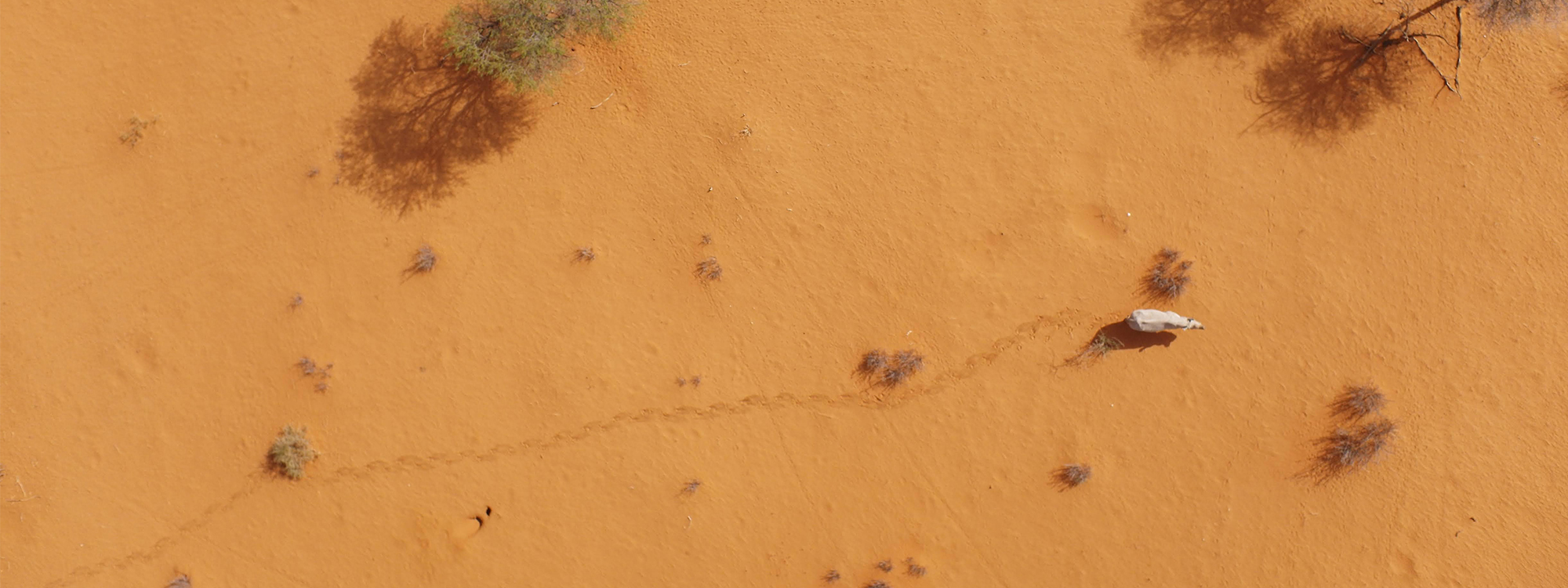
Multi-award-winning footprint identification technology (FIT) translates the ancient art of tracking into modern science — identifying a species, the individual, its sex and age-class from footprint images captured by communities on the WildTrackAI app.
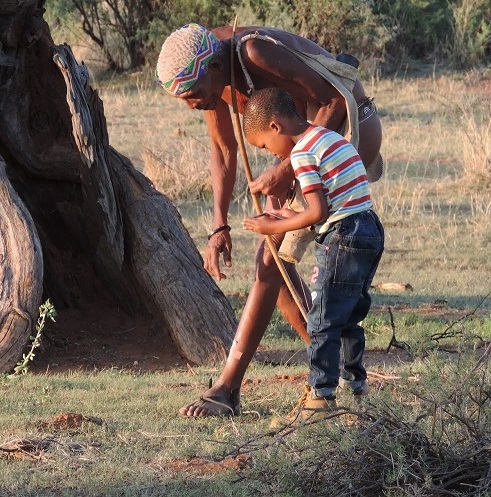
FIT was developed by WildTrack as a translation of indigenous tracking expertise — the most ancient and time-honoured art of reading animal tracks — into cutting-edge statistical analysis and AI. Using a smartphone app, communities collect images of animal footprints to determine which species made them, which individual, the sex, and sometimes the age-class. From this we work out endangered species numbers and distribution — data central to wildlife conservation.
One footprint, collected without ever disturbing the animal, carries a remarkable amount of information — and scales sustainably in ways that sightings and sensors can't.
Determine species, individual, which foot, sex, and age-class — all from the print.
Typically over 95% with classical morphometrics, and around 90% with AI - improving all the time.
Collecting footprints never disturbs the animal — avoiding the negative impacts of repeated handling.
The only equipment needed is a smartphone and a metric scale.
Built on traditional tracking, FIT empowers local rangers and indigenous trackers to protect their own areas.
Because local people collect the images, no constant external presence is required.
Provisional or full algorithms exist for 71 species — from black rhino and Bengal tiger to tiny mice
Pairs naturally with camera-trapping and DNA. Fits beautifully into existing anti-poaching and ranger patrols.
Where the substrate holds prints, animals leave a record almost everywhere they go, day and night.
FIT works for any species that leaves a clear footprint. Those with detailed prints — carnivores in particular — are especially accessible, but we have algorithms for a wide range, from the African elephant down to the tiny dormouse.
Our algorithms get more accurate as we gather more data and apply novel machine-learning and computer-vision techniques, combining both statistical and AI approaches. Engaging expert trackers as human-in-the-loop contributors is also proving to increase accuracy.
Just a smartphone and a metric scale. The free WildTrack AI app guides anyone — ranger, recreational hiker, scientist, or volunteer — through capturing a usable footprint image. We even have a print-at-home WildTrack ruler for anyone who prefers a small card-sized scale.
FIT is documented across peer-reviewed publications and popular media. If you have questions, we are always happy to answer them.
The research papers behind FIT's methods and accuracy.
Read publications →See the technology at work in the field, species by species.
See projects →The machine-learning and computer-vision work underway now.
Explore R&D →Have a question about FIT or a species we haven't covered?
Contact us →