

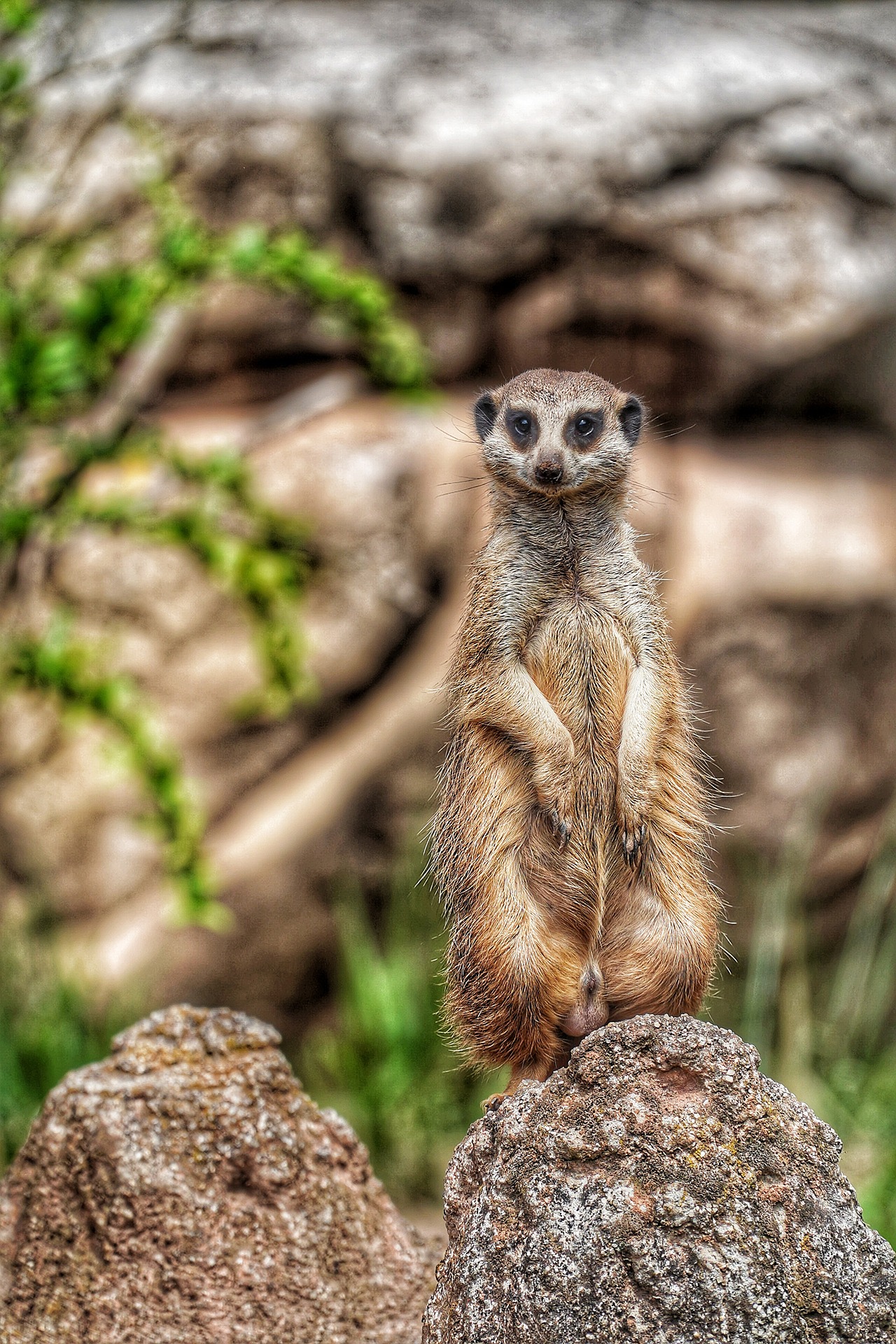
Non-invasive monitoring gathers the data conservation depends on — where animals are, how many, and their range — without changing the behaviour, ecology or physiology of a single one of them.
To protect endangered species we need reliable data on where they are, their numbers, and where they range. Only then can we make informed decisions about how best to protect them. Non-invasive monitoring means collecting that data without disturbing the normal behaviour, ecology or physiology of the animal — so the picture we build is both more ethical and more accurate.
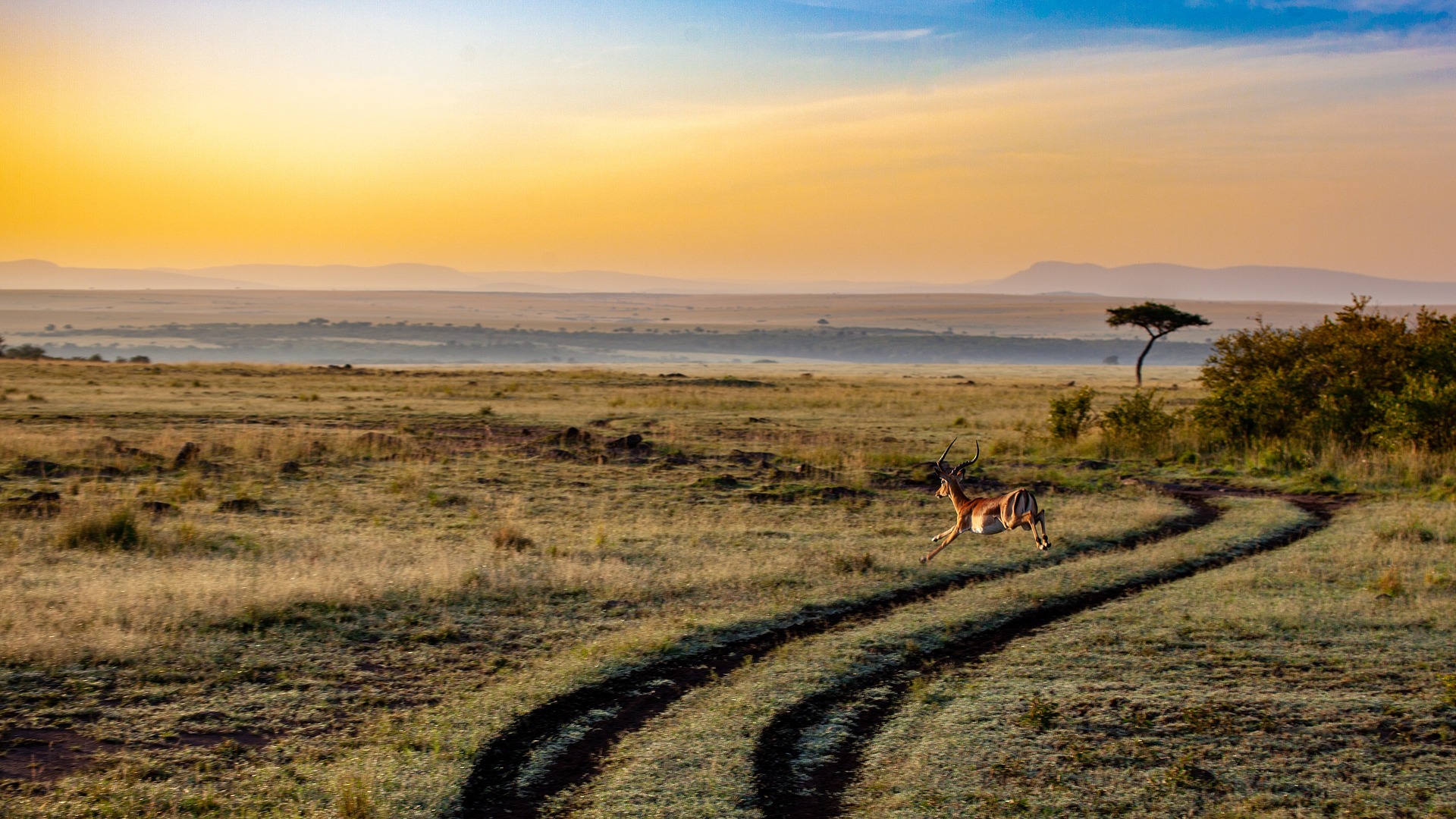
New methods are emerging that collect data without disturbing animals. Each has its place in a conservationist's toolbox — and WildTrack focuses on the one that's everywhere, footprints - direct signals from nature ...
Record whole-body images of animals as they walk along a trail.
Reveals which species are present from just a soil or water sample.
Samples carried by insects, and vocalisations captured by sound sensors.
WildTrack's focus. FIT reads the trace every animal leaves behind — cheap, abundant, and completely non-invasive.
Our approach to ethical, non-invasive monitoring is documented across peer-reviewed publications and ongoing research.
How we identify species and individuals from a single footprint.
Explore FIT →The science behind non-invasive monitoring, including Jewell (2013).
Read publications →See non-invasive monitoring at work in the field.
See projects →Questions about the methods or the data behind them?
Contact us →