

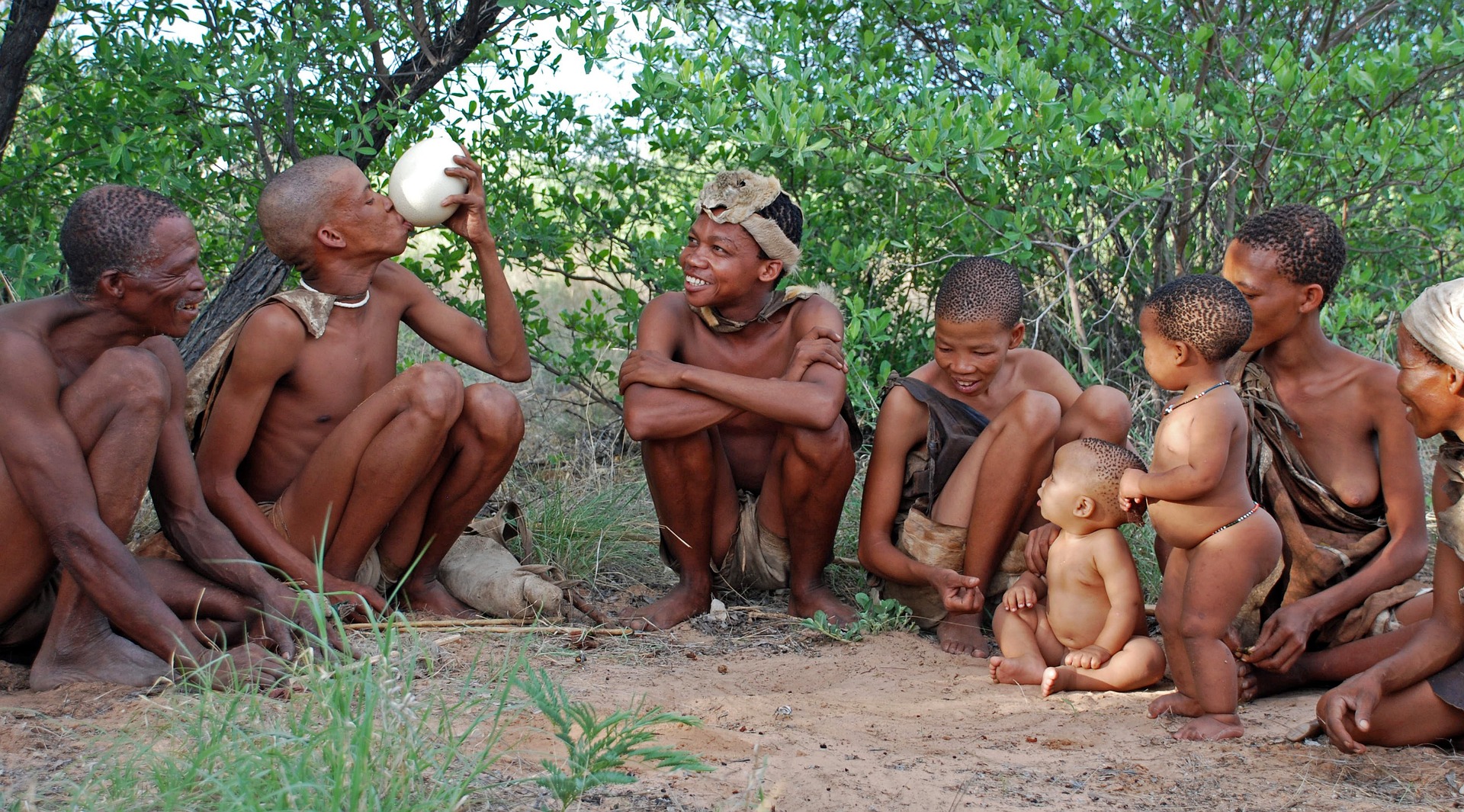
TEK may hold the key to sustainable wildlife conservation. Every FIT algorithm begins with skills honed over generations — the ancient art of reading a footprint, passed down by indigenous trackers.
WildTrack co-founders Dr. Sky Alibhai and Dr. Zoe Jewell learned to track black rhino alongside indigenous Shona and Ndebele trackers in Zimbabwe, over ten years monitoring rhino there. FIT was inspired directly by the incredible skills of those trackers.
Some indigenous communities still track for hunting or as part of tourism, their skills passed down through generations. But as populations urbanize, tracking becomes less relevant — and in some cultures this knowledge is dying.
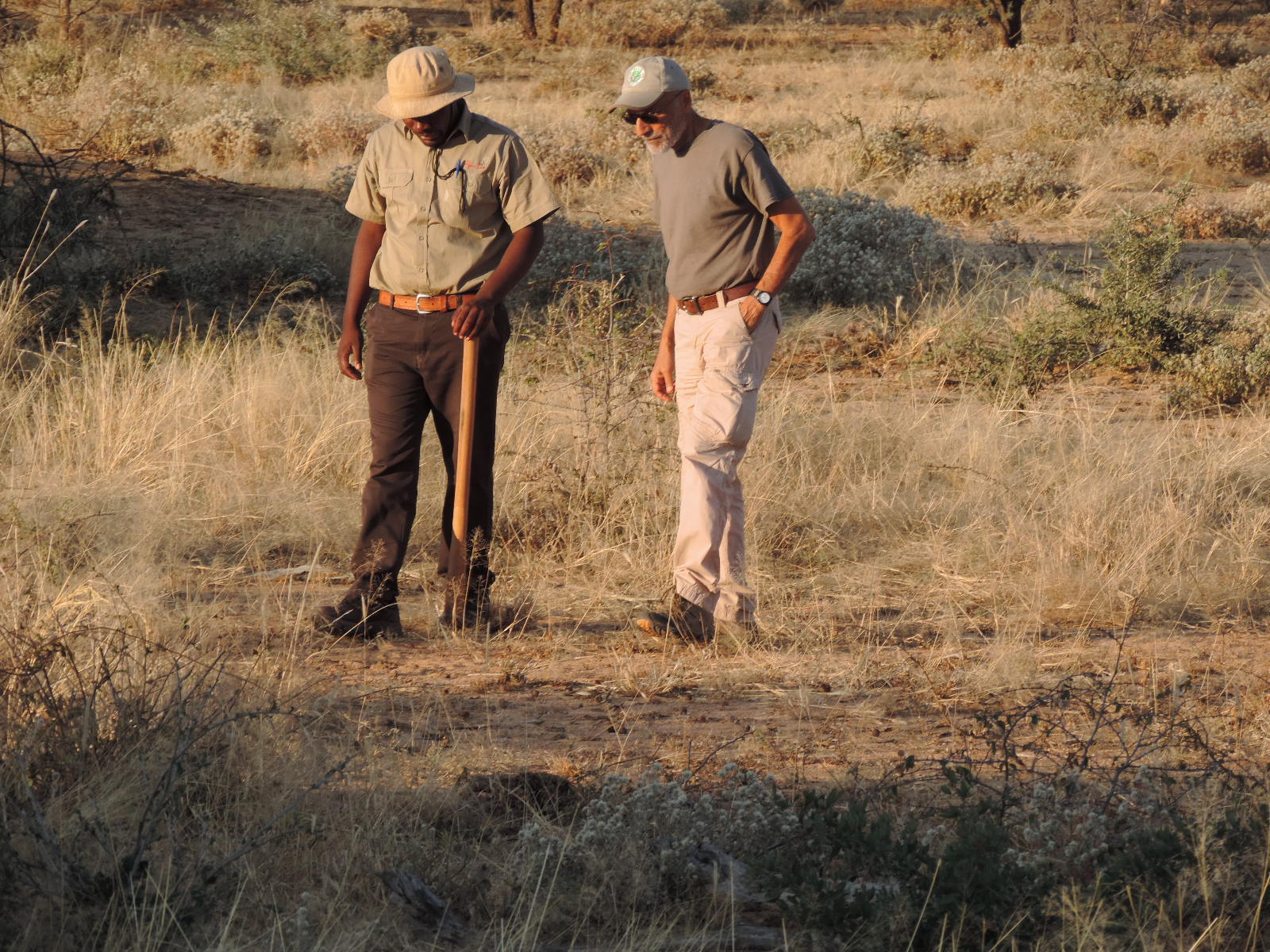
Each footprint is a unique biomimetic signal — but few people can still read it.
Expert indigenous trackers, whose skills have been honed over generations by cultural transmission and intense observation of natural processes, can decode what most of us cannot.
See how indigenous knowledge becomes working conservation technology — and where it's making a difference today.
How the skills of trackers became an AI footprint-identification pipeline.
Explore FIT →Why reading the ground beats disturbing the animal.
Learn more →TEK at work in the field, species by species.
See projects →Help carry this knowledge forward — start collecting footprints.
Contribute →