

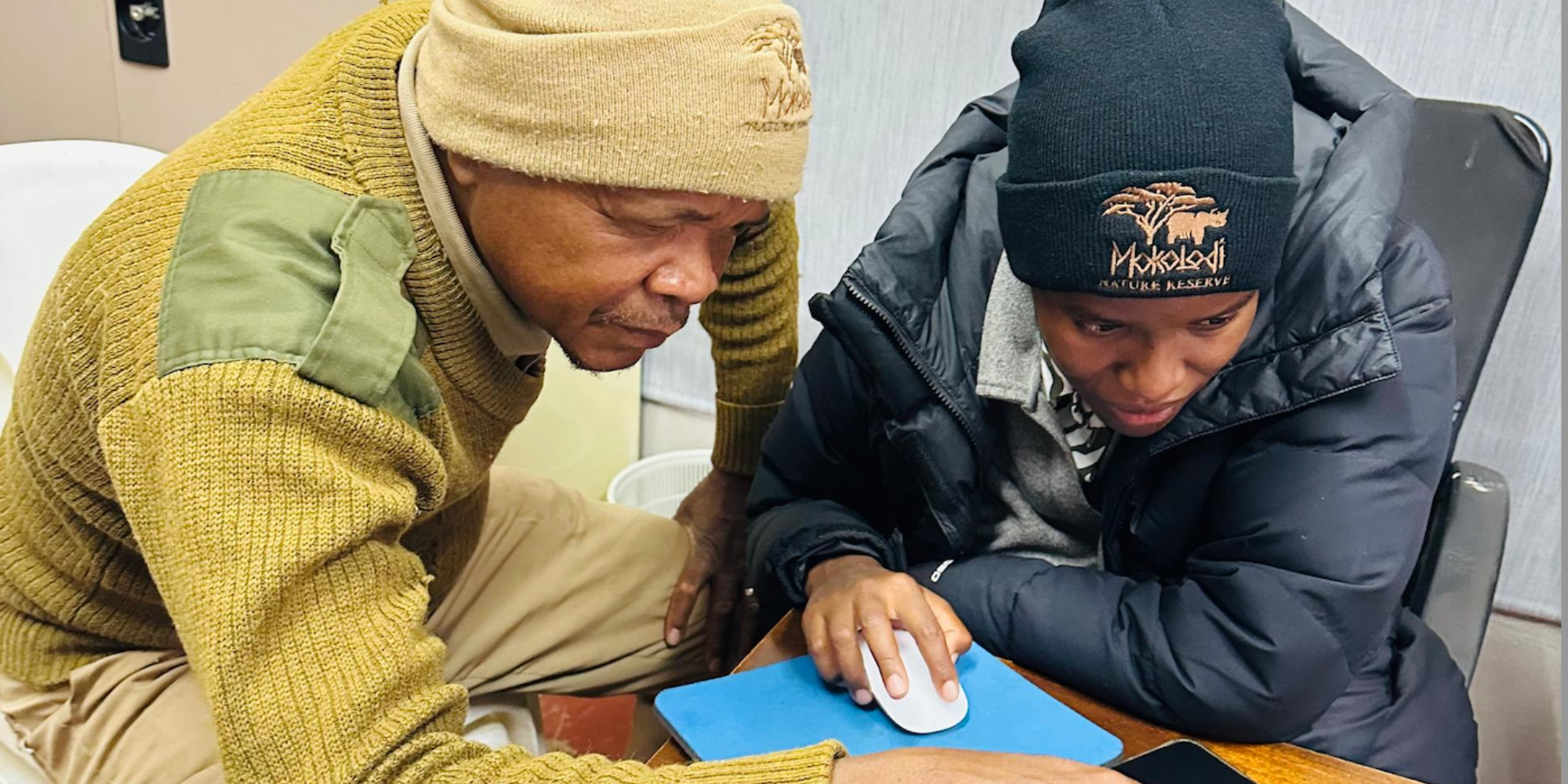
The human side of AI
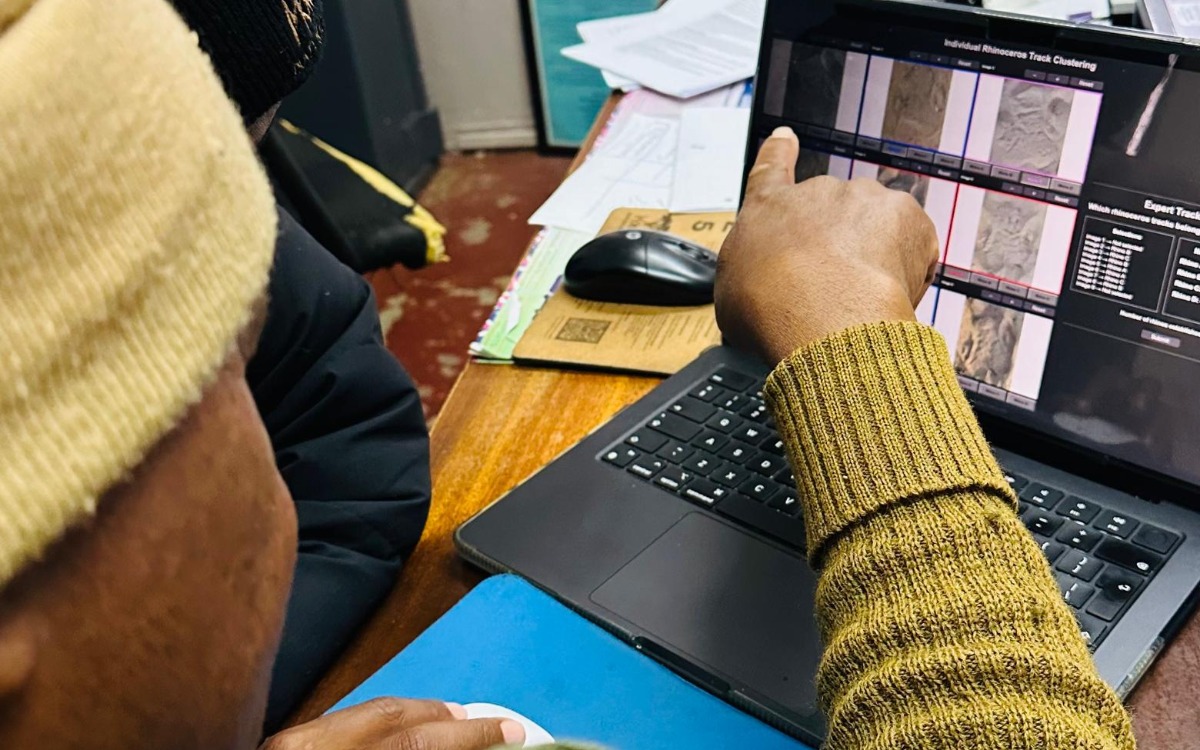
The ancient art of tracking animals from signs left on the ground - typically their footprints or tracks - evolved over millenia with our ancestors. This ancient art is now being understood as holding some of the most important clues to how humans ‘read’ their natural environment. With our partners in the Botswana Defence Force (BDF) and the Botswana International University of Science and Technology (BIUST) we are bringing together tracker expertise to inform on machine learning models to classify endangered species. Our recent publication, led by Major Tinao Petso, gives more detail.
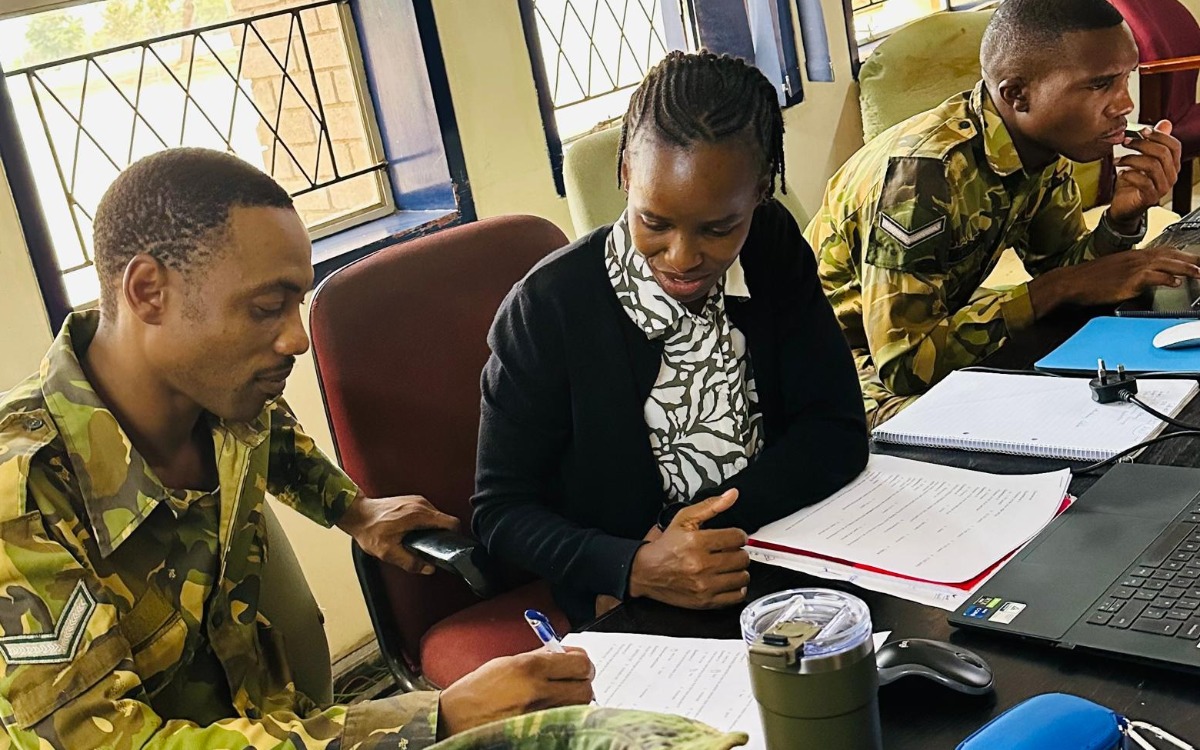
Reading an ancient art
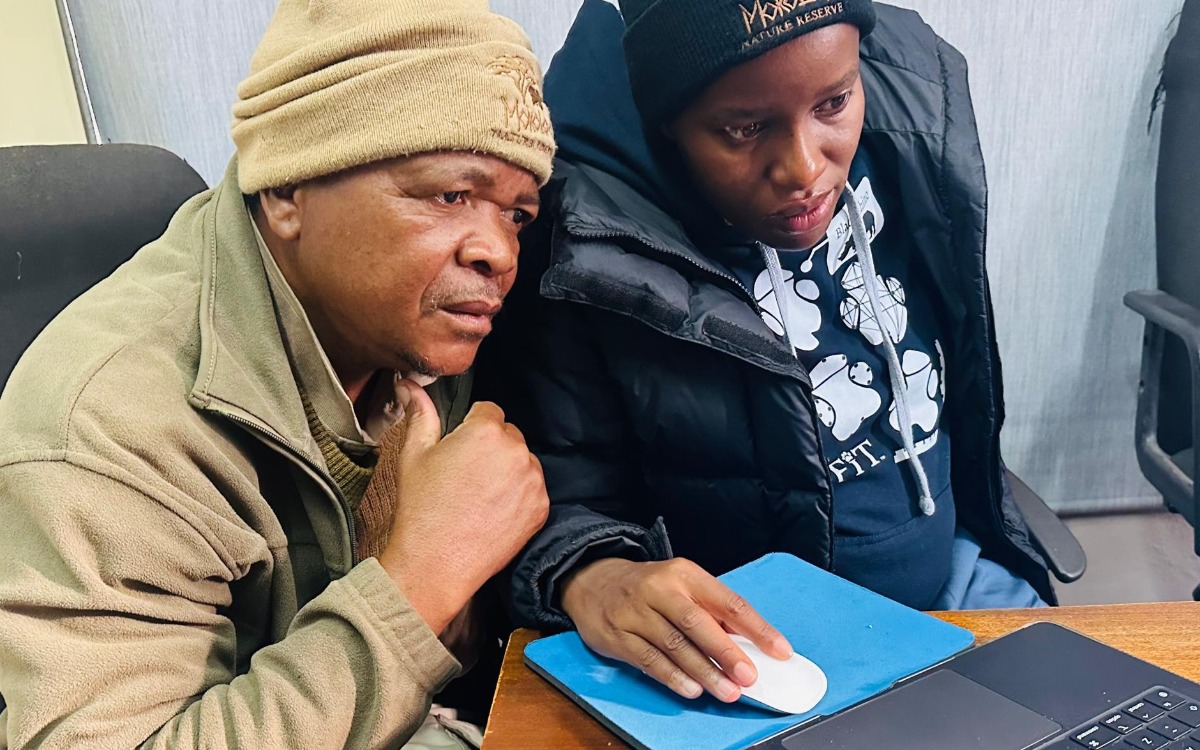
Our findings are that expert trackers are not only able to help us find and interpret animal tracks for model-building, but their subsequent involvement in data processing, as seen here, is able to improve our models, and increase our understanding of how they work.
Ultimately, as the custodians of their local environments, they will be able to bring their traditional ecological knowledge and modern technology together to make sound environmental decisions.