


We drive tangible change in line with global environmental priorities, tackling five key United Nations Sustainable Development Goals (SDGs). Through our actions, we turn ambition into impact while protecting ecosystems, empowering communities, and shaping a sustainable future for all.
Each SDG maps to something WildTrack already does in the field — not a separate initiative, but the outcome of the same footprint-based work everywhere it happens.
WildTrack empowers local communities to lead in species conservation, not just as data collectors, but as experts to interpret and apply that knowledge. By valuing and promoting their Traditional Ecological Knowledge (TEK), we help reduce inequalities within and among communities, directly supporting UN Sustainable Development Goal 10: Reduced Inequalities, while addressing the historical marginalization caused by centuries of cultural colonialism and suppression.
As the global climate shifts, species must adapt. Being forced to higher or cooler habitats, many species are changing their distribution patterns. By documenting these movements, we generate critical insights into the impacts of climate change, directly advancing UN Sustainable Development Goal 13: Climate Action, and guiding strategies to protect both wildlife and ecosystems.
WildTrack empowers biodiversity stakeholders with precise, data-driven conservation metrics, enabling effective strategies to restore and protect ecosystems without harming the animals being studied. Our non-invasive footprint identification technology allows researchers and communities to monitor species safely, reducing stress and disturbance to wildlife while still generating robust data.
WildTrack's technology is inherently multidisciplinary and fosters peacebuilding by promoting strong, constructive, and sustainable collaboration across ethnic, religious, class, national, and racial lines. By placing Traditional Ecological Knowledge (TEK) at the heart of biodiversity monitoring, our footprint identification technology helps build inclusive, representative institutions, advancing justice, integrity, and accountability in conservation efforts.
Indigenous peoples are vital to the future of science, bringing generations of knowledge and expertise to biodiversity conservation. WildTrack partners with numerous Indigenous communities, including the Kurichiya and Kuruma (South India), Tharu (Nepal), Basarwa (San, Botswana), Arara and Kayapó of the Iriri River (Brazilian Amazon), Shona & Ndebele (Zimbabwe), Damara and Nama (Namibia), and Yao (Mozambique), among others.
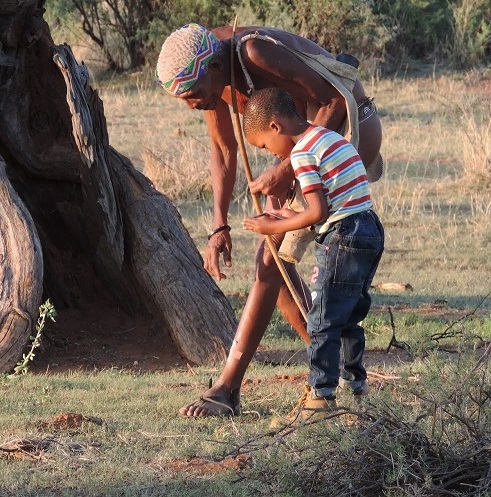
Through our programs, Indigenous elders pass on tracking skills to youth, ensuring that traditional knowledge continues to guide scientific understanding. This collaborative approach strengthens global partnerships for sustainable development, supporting UN Sustainable Development Goal 17: Partnerships for the Goals.
Our sustainability commitment starts with a footprint. Here's how it becomes conservation data, and who makes it possible.
Why non-invasive, footprint-based monitoring is at the centre of everything we do.
Read our mission →See how footprint identification technology (FIT) turns tracks into species identifications.
Explore the tech →See the fuller picture of how WildTrack's work translates into measurable conservation outcomes.
Read our impact →