
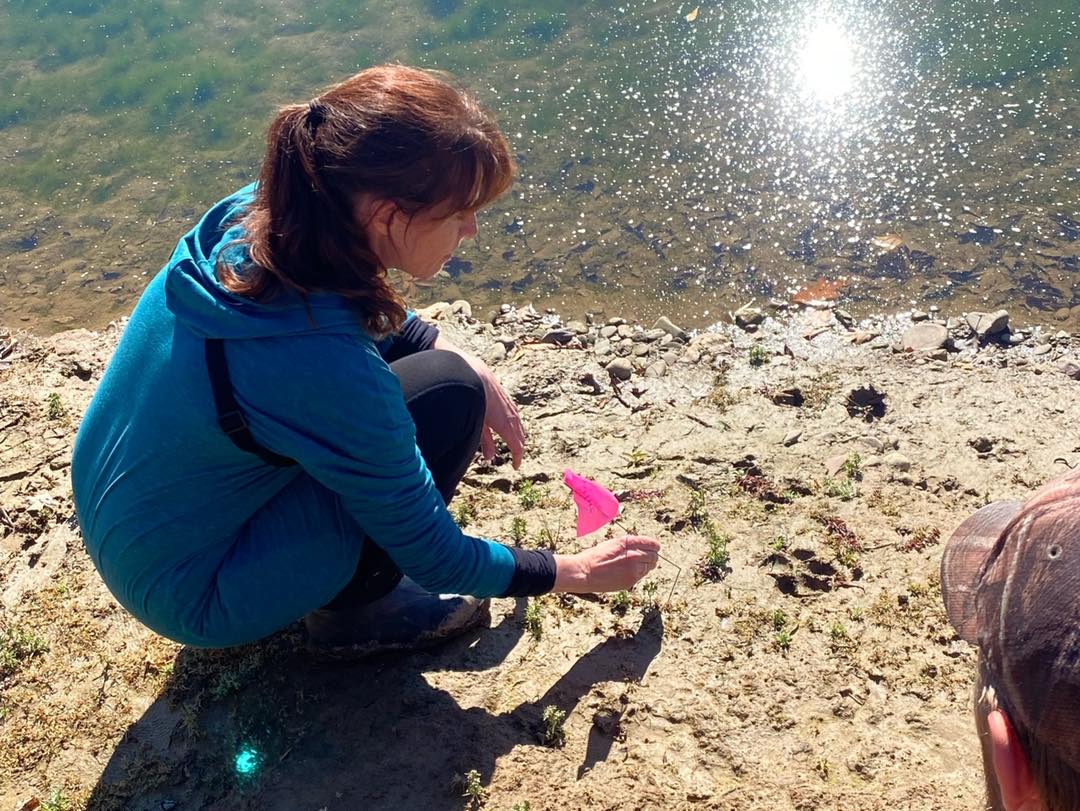
WildTrack's capacity building sits at the intersection of ancient tracking skills and cutting-edge technology. Training is never one-directional — it's an exchange of information towards building a bridge between traditional ecological knowledge and modern science.
Our sustainable footprint identification technology (FIT) operates on three levels, empowering local communities in Africa, South Asia, Europe, North America and South America to be scientific custodians of their natural environments.
Non-invasive monitoring that gathers rigorous conservation data without disturbing the animals being studied.
Preserving Traditional Ecological Knowledge (TEK) across generations, valuing it alongside Western science.
Building local capacity so programs continue to run without external dependency.
Every exchange builds new bridges — the ground signals experts read feed our science, and the science we build hands new tools back to them.
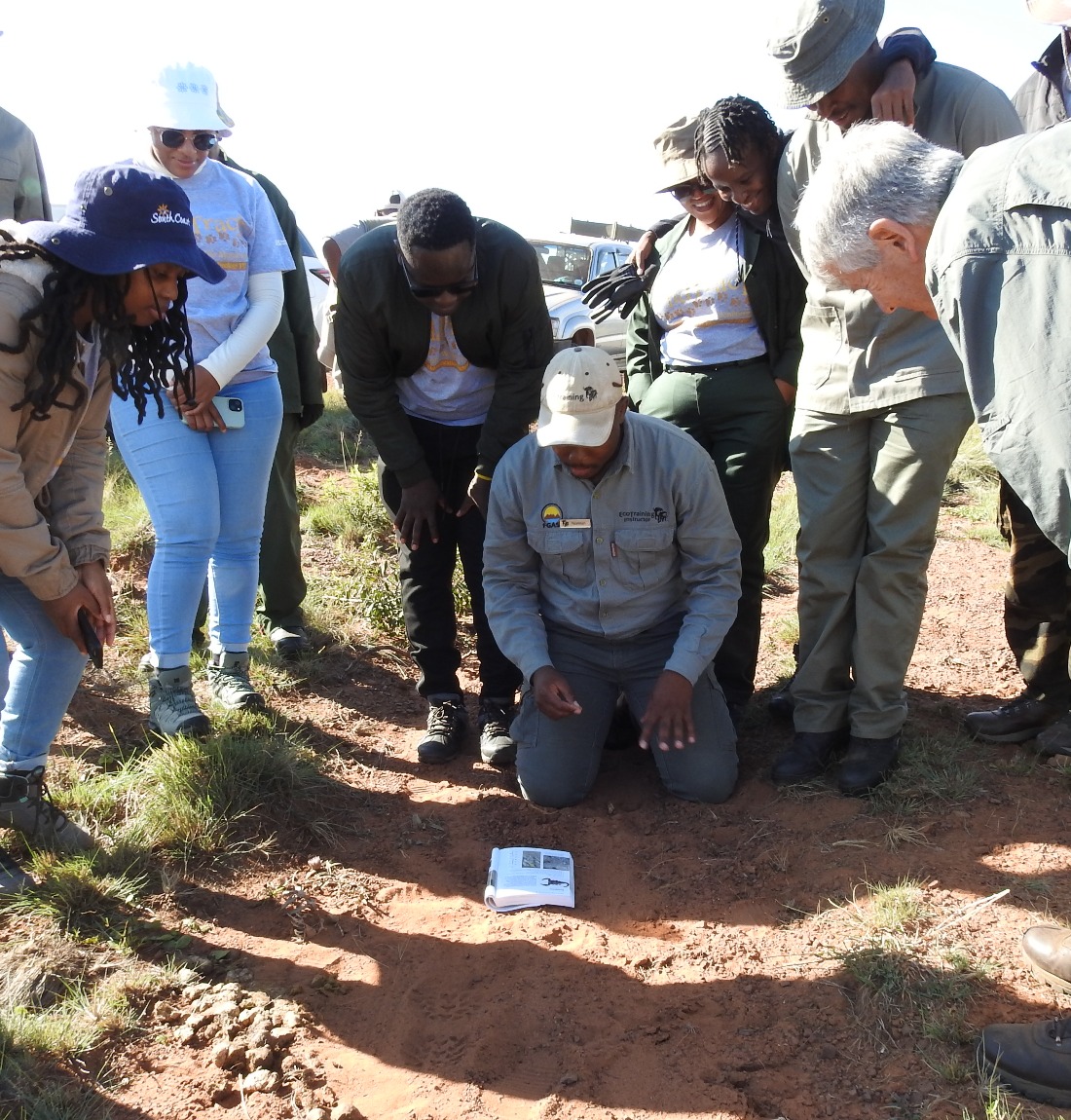
As scientists trained in the reductive Western tradition, we can learn so much from the experts in traditional ecological knowledge, whose more holistic and deductive view of ground signals gives us a huge new insight into the workings of the natural world. An expert tracker's ability to locate, identify, interpret and deliver track and sign data is unparalleled — these signs are rich and typically underused data for science.
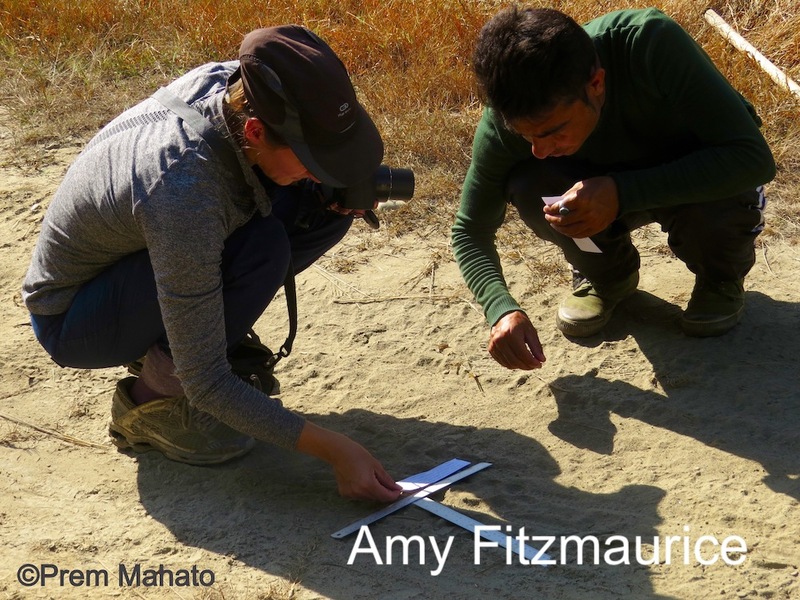
In turn, we're able to show trackers how we translate this data to deliver better wildlife conservation through non-invasive, community-based footprint identification technology. Our tracking colleagues are now actively employed not only in data collection, but in data review and interpretation on our WildTrackAI platform.
Training and capacity-building is one part of a larger picture — here's where else to look.
Why we work with trackers as expert scientific collaborators, not just data collectors.
Explore TEK →How our ecological, cultural and institutional approach maps to global sustainability goals.
Read our sustainability commitment →See the fuller picture of how WildTrack's work translates into measurable conservation outcomes.
Read our impact →