
Non-invasive wildlife conservation

Saving species, one footprint at a time

Powered by advanced analytics, local knowledge, and our global volunteer communities, we identify and track endangered animals from the footprints they leave behind.

Start contributing
35
Active field projects
91
Species models
16
Partner universities
50+
Countries, 5 continents
Our mission

Our approach is unique ...

WildTrack protects wildlife without disturbing it. Wild animals can be rare, elusive, and vulnerable to stress when people try to see, capture, or tag them—so we use their footprints instead. WildTrack's award-winning technology can turn those natural signs into reliable data about species, individuals, populations, and habitats. This non-invasive approach combines traditional ecological knowledge with advanced data analytics and AI. But effective conservation depends on having enough high-quality footprints from the places wildlife lives —so we need your help to capture and share them, building the evidence needed to make better decisions for wildlife and the landscapes they depend on.
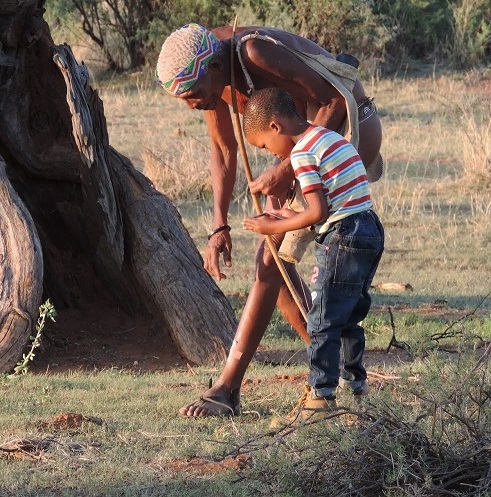
Trackers reading footprints in the field
1st
in the world to build an AI footprint-identification pipeline
Why this mission

Biodiversity is collapsing — quietly, and fast

Wildlife is disappearing fast, yet monitoring often relies on expensive, invasive tools that cover limited areas and require capturing or instrumenting animals. These hardware-heavy, specialist-dependent methods are hard to scale and exclude many communities living closest to wildlife.

Footprints give us a way to measure that loss — and reverse it — without ever disturbing the animals we're trying to protect

10,000×
higher than the natural extinction rate
95%
of mammal biomass is now humans & livestock

“We don't need to catch an animal to understand it. A single footprint may tell us the species, the individual, it's sex and age, where it was going, and with whom.”— Zoë Jewell, WildTrack co-founder

Start CONTRIBUTING

Download the WildTrackAI app

<b>Free and easy to use, our app allows anyone to contribute footprint tracks and help build our database and support wildlife conservation.</b>


Download on the App StoreGet it on Google Play
Tracks are everywhere

Mapping tracks around the globe

As you can see from the interactive map below, our global community of contributors - from recreational hikers to scientists and trackers - finds tracks everywhere! To make your outdoor time count for conservation just download the WildTrackAI app (see below) and collect track observations. Once uploaded, you'll be able to track your contributions, and more metrics, on our ai.wildtrack.org site.

New to tracking?

Check out our tracking tutorial video

Easily use the WildTrackAI app to capture tracks and contribute to wildlife conservation.

How it works

Your footprint, from field observation to conservation action

Each observation you submit flows through expert review, AI modeling, and real-world decision-making. Here's how one footprint becomes a conservation outcome.

Stage 1 · Observe

Your field observation

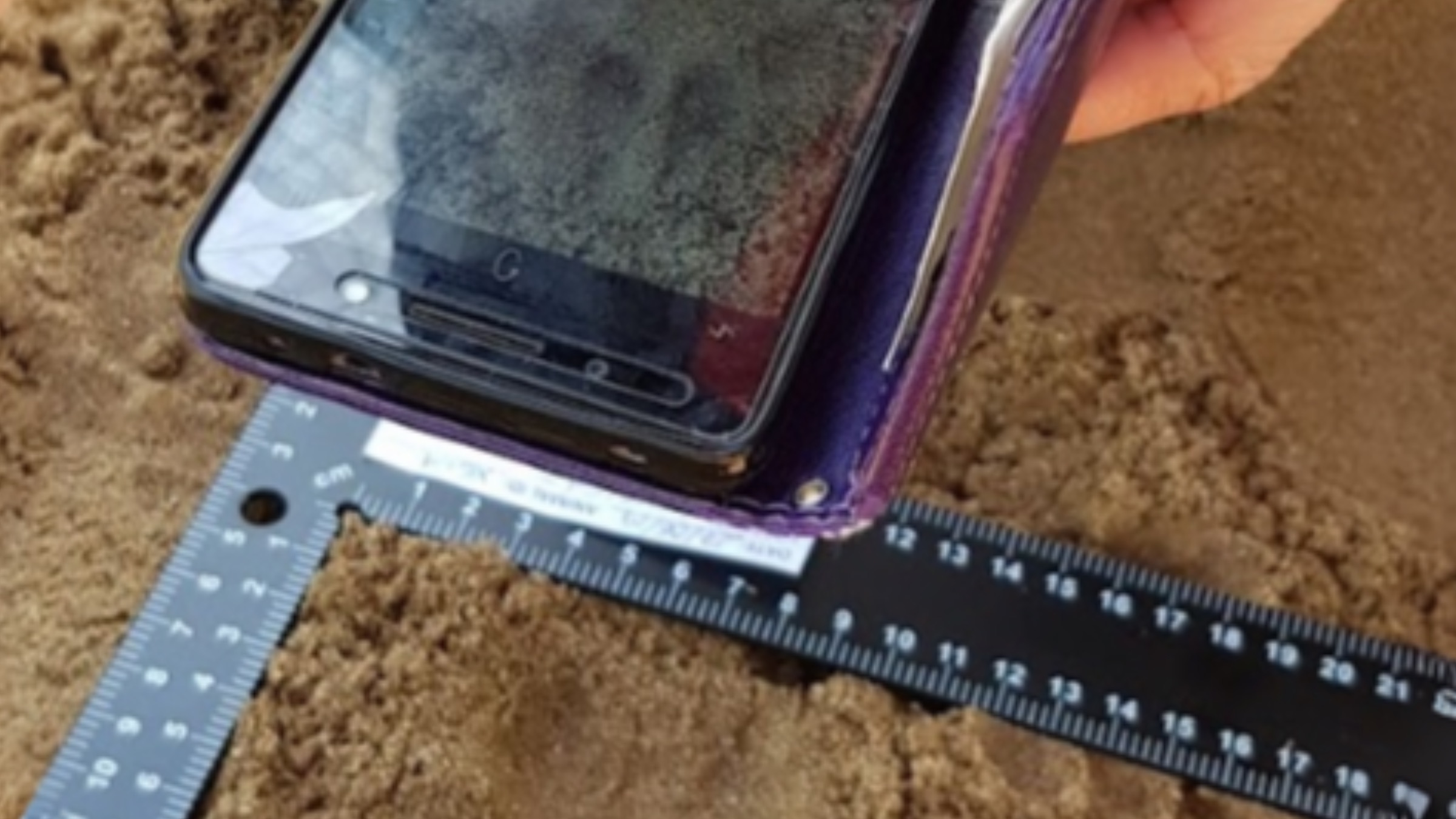
Our technology starts with you. Use the free WildTrackAI app to record the animal footprints you see, wherever you may be.

Outputphoto + GPS + timestamp
Get the app →
Stage 2 · Review

Expert review

Your footprint images are reviewed by experts to strengthen and ensure the accuracy of our models, grounding the technology in real tracking knowledge.

Outputverified track ID
Learn about FIT →
Stage 3 · Model

AI modeling

Every observation improves our machine learning, so FIT can identify species, individuals, their sex and age accurately from the data you submit.

Outputspecies · individual · sex · age
Explore the power of AI →
Stage 4 · Act

Conservation solutions

Once species and individuals are identified, we map their prints to help mitigate human-wildlife conflict, disrupt poaching, and predict where animals need our help.

Outputrange map, conflict alerts
Discover our impact →
What makes us different

A conservation model built on inclusion

Four principles guide everything we build, from the app in your pocket to the algorithms in the cloud.

1

Non-invasive

Our delivered technology does not require trapping, collaring, or sedating. There is no need to stress the animal with 'hands-on' methods. We use only the footprint 'signals' it leaves behind.

2

Community-accessible

Anyone with a phone can contribute. Our community contributors range from expert trackers in local communities to recreational hikers across the world.

3

Custom & sustainable

Every solution we make is customized to each species and landscape. Sustainability means affordability, and robustness to a variety of local conditions and resources.

4

Comprehensive data

Footprints are thousands of times more abundant than animal sightings, giving researchers richer, broader, and more datasets to act on.

FIT in action

Footprints at work, around the world

From farmland in Japan, where bears and monkeys raid crops, to snow-capped mountains in North America, and sand dunes in Africa, the same technique adapts to wildly different challenges.

Explore projects →
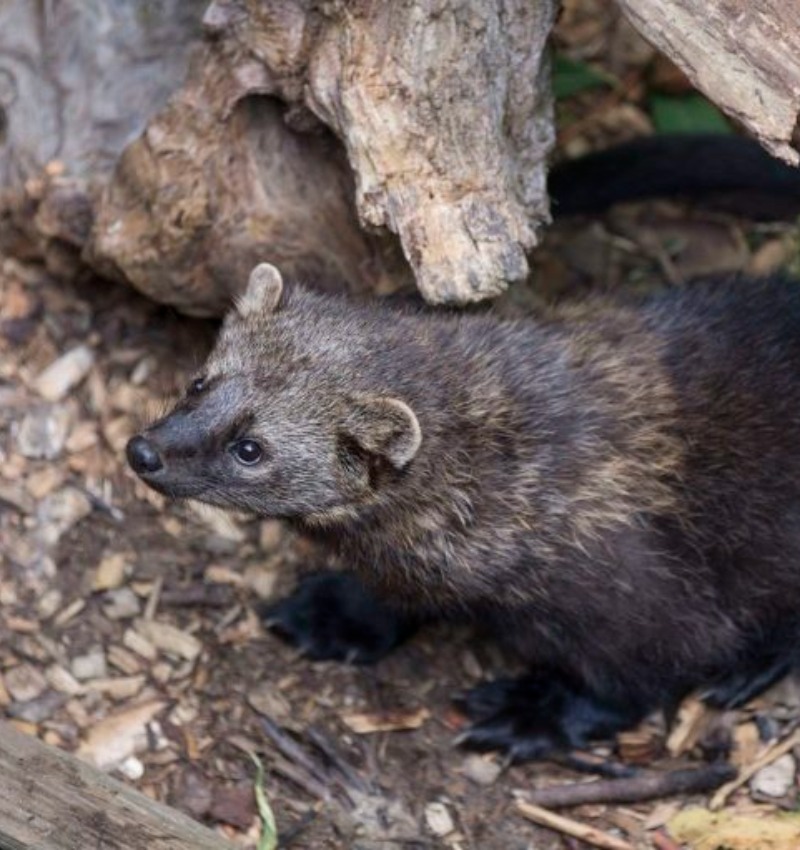
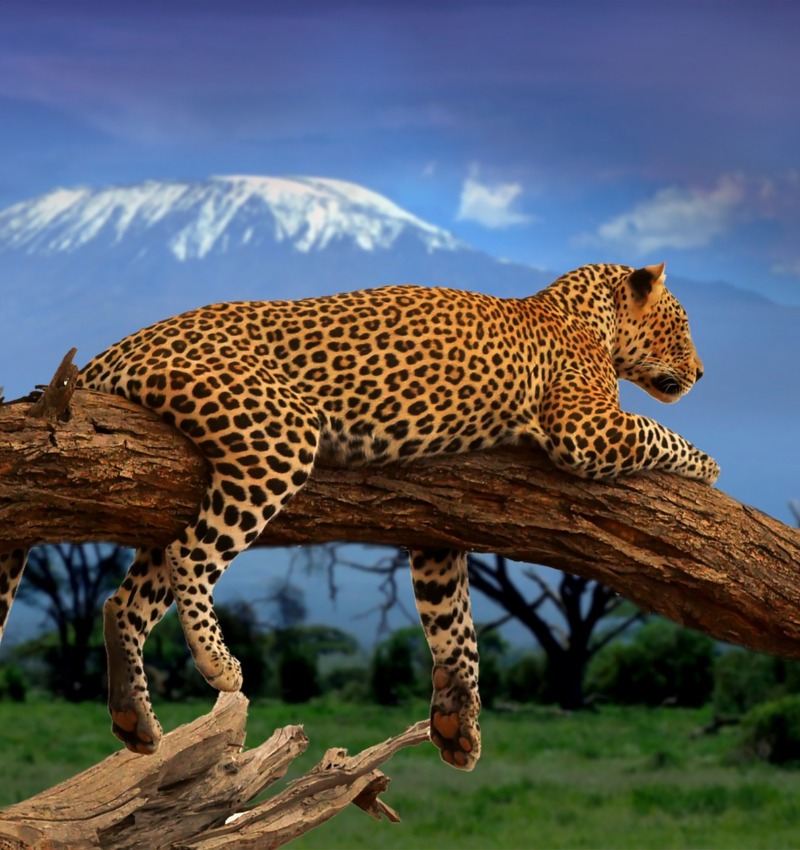
Fisher tracks
Leopard
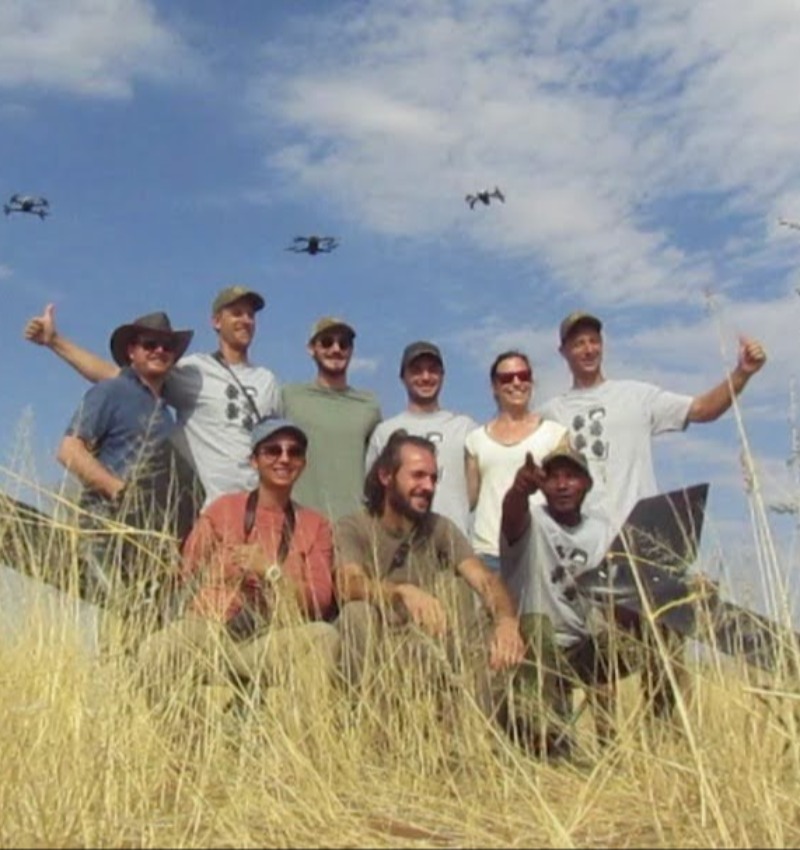
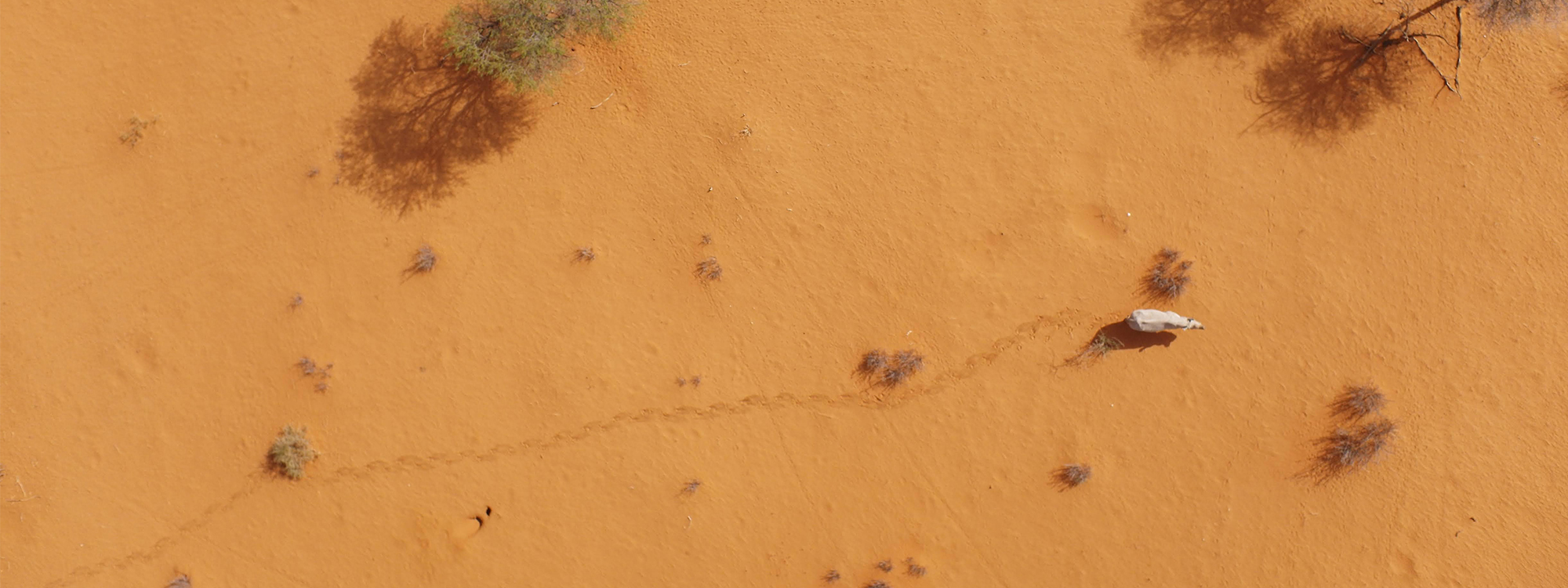
Conservation drones
Sea turtle
In the press

What the world is saying

ForbesTimeScientific AmericanThe AtlanticSmithsonianMIT Technology ReviewHakai MagazineFaunalyticsNVIDIA
“Using AI for good — highlighting WildTrack's FIT technology for wildlife conservation.”
ForbesRead article →
“Using AI and drones to speed up animal identification from footprints.”
TimeRead article →
“Indigenous trackers are using footprint identification as a safer way to protect endangered black rhinos.”
Scientific AmericanRead article →
“Animal tracking is getting a makeover.”
The AtlanticRead article →
“Artificial intelligence could soon match footprints to the animals that made them.”
SmithsonianRead article →
“How footprint-recognition software may help zoology.”
MIT Technology ReviewRead article →
“Artificial intelligence could soon turn anyone into an expert tracker.”
Hakai MagazineRead article →
“Tracking without a trace: how footprints and non-invasive methods could transform wildlife monitoring.”
FaunalyticsRead article →
“Horn-free, roaming rhinos could be guarded by AI-equipped drones.”
NVIDIARead article →
Our partners

Backed by a community of builders

JMP
AWS
1% for the Planet
GitHub
Sentry
NVIDIA
SenseFly
Skydio
Drones4Earth
LearnItDigitally

Put your technology to work for wildlife

Partner with WildTrack to build scalable, non-invasive conservation solutions that advance both biodiversity and your innovation goals.

Explore partnerships →